







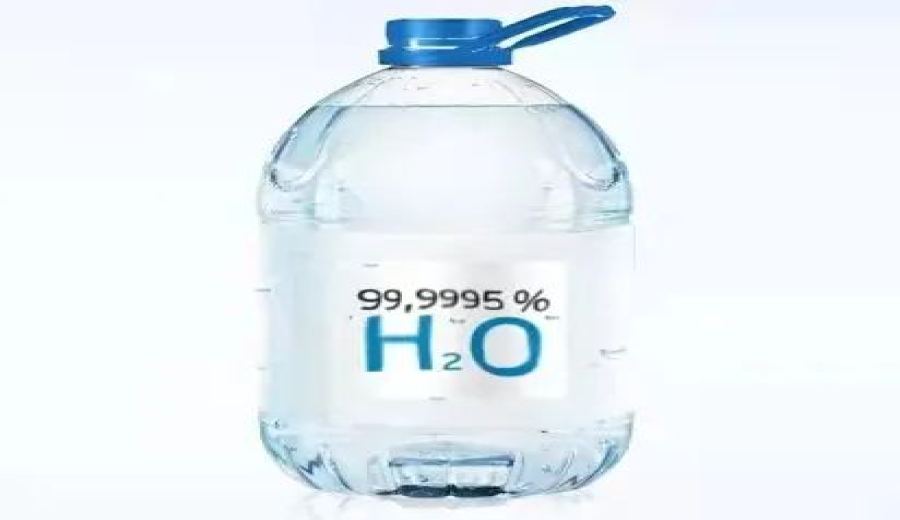
Introduction:Many coffee enthusiasts focus heavily on selecting equipment and beans, yet often overlook the profound impact water quality has on extraction flavor. Different TDS levels and the ratio of calcium and magnesium ions in water can drastically alter the taste and aroma of coffee. This article will delve into how water quality affects extraction, from TDS standards and the drawbacks of tap water and purified water, to practical bottled water selection recommendations, helping you find the best water solution for pour over coffee.
After stepping into the world of pour over coffee, many people invest a great deal of effort into grind size, water temperature, and technique, yet often miss a key factor—water quality. In fact, the choice of water plays a pivotal role in the final extraction results of coffee. No matter which specialty coffee bean you use, without the right water, it’s difficult to fully showcase its potential.
You might wonder, isn’t water just a clear liquid? Why does it make such a big difference to coffee? The key lies in the dissolved solids in water, commonly known as TDS (Total Dissolved Solids). The TDS value represents the total amount of minerals and impurities in water, usually expressed in ppm (parts per million). These seemingly minute components actually have a profound effect on the efficiency of coffee extraction and the presentation of flavors.

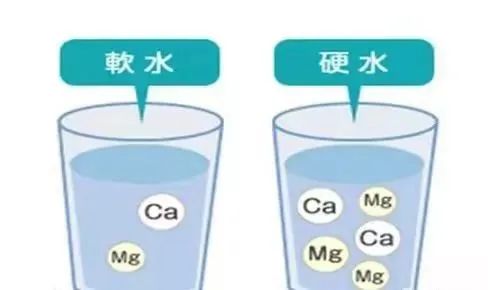
Generally speaking, calcium and magnesium ions in water are believed to help improve the efficiency of coffee extraction, but that doesn’t mean the more, the better. A moderate level of calcium and magnesium—around the SCAA-recommended range of 75-250ppm—helps release flavor compounds, making the coffee’s profile richer. However, if the TDS value is too high, especially with excessive calcium and magnesium, it can inhibit extraction, resulting in dull coffee flavors, or even noticeable astringency or bitterness.
For example, tap water, due to its treatment process, usually contains higher levels of calcium ions, which is why many people notice a distinct astringent taste when brewing coffee with tap water. The limescale accumulated at the bottom of a kettle is a tangible manifestation of calcium precipitation. Additionally, although tap water is filtered, it still contains many invisible impurities and trace elements, which can interfere with the original flavor profile of coffee, leading to subpar overall performance.
Conversely, completely demineralized purified water, while seeming “clean,” is not an ideal choice for pour over coffee either. Lacking essential ions like calcium and magnesium, purified water cannot effectively extract the aromatic and flavor molecules from coffee during brewing, often resulting in coffee that tastes thin, hollow, and lacking in the desired aftertaste and complexity. It’s like cooking soup with plain water—it may be free of off-flavors, but it also lacks soul.
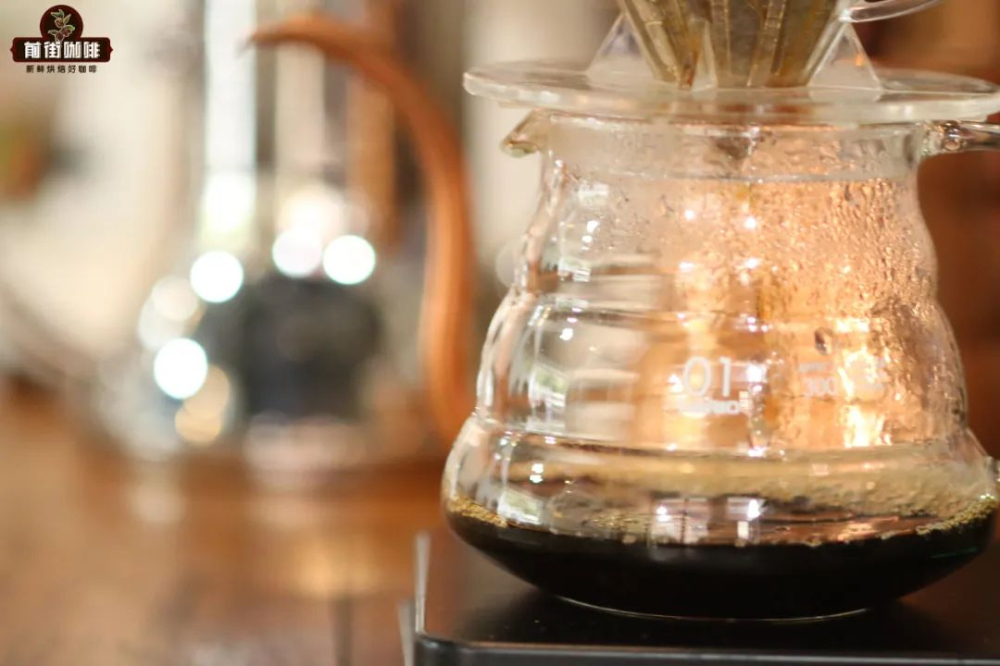
Since both tap water and purified water have obvious drawbacks, what kind of water is more suitable for daily pour over coffee? The answer is actually quite simple: filtered water or appropriate bottled water is usually a more stable and easily accessible option.
In the professional coffee field, especially in classic works like *Water for Coffee*, the standards recommended by the Specialty Coffee Association of America (SCAA) are often cited: the TDS value of water should be maintained between 75-250ppm. However, based on practical experience, when the TDS value is below 100ppm, coffee tends to exhibit clearer and brighter flavor characteristics, which is especially beneficial for beginners who can more easily grasp and discern flavor details. If you have a filtration system installed at home, consider using a TDS test pen to check your water quality.
Want to quickly determine if water quality is affecting your coffee’s flavor? A simple method is to try different brands of bottled water for comparison. However, when selecting bottled water, don’t just look at the price—what’s more important is to read the ingredient list or TDS information on the bottle. Many commercially available mineral waters have varying TDS values and mineral compositions, all of which can influence the final extraction performance of coffee.
Among the many commercially available bottled waters, taking into account the TDS range, purchasing convenience, and actual brewing performance, Nongfu Spring is a commonly recommended choice. Its TDS value typically falls within the suitable range for pour over coffee, providing a relatively balanced mineral content that helps express coffee flavors without overly disrupting extraction balance. Of course, everyone’s taste preferences differ, so it’s still advisable to experiment with multiple options to find the type of water that best suits your palate.
In summary, water quality is absolutely a non-negligible aspect of pour over coffee. From TDS values to the ratio of calcium and magnesium ions, these seemingly minor details actually govern the efficiency of coffee extraction and flavor expression. The next time you find your coffee tasting off, take a look at the water you’re using—perhaps the answer lies hidden in that very cup of water.


The above content is compiled by CoffeeHunters, a coffee news website.


