







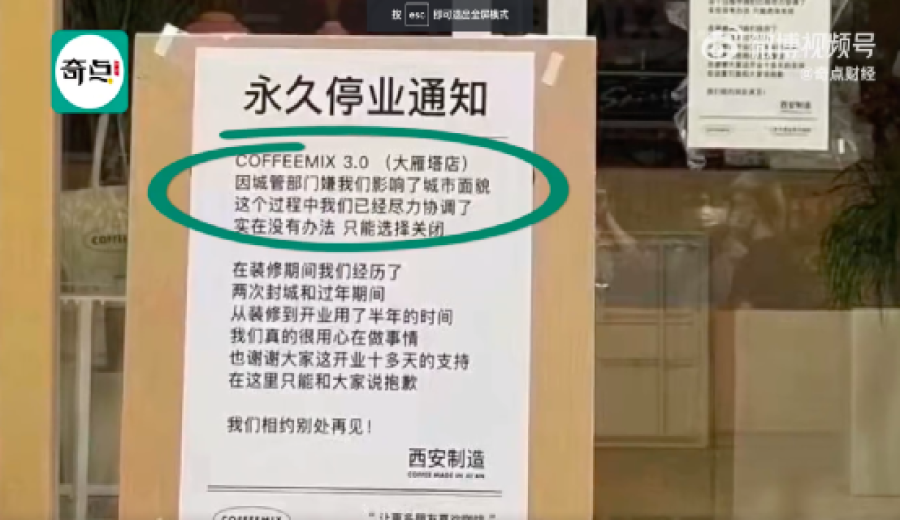
Introduction:A newly opened coffee shop was ordered by urban management authorities to make renovations within just over ten days due to its façade style being visibly out of harmony with the Tang-style architectural complex surrounding Xi’an’s Giant Wild Goose Pagoda, and ultimately had to cease operations. This article delves into the full story of the incident, comparing official statements with on-site visuals to help you understand how to balance brand identity with urban planning when opening a business in a historic and cultural district. Drawing on the successful integration example of Starbucks’ Qingguo Lane branch in Changzhou, it also offers practical design suggestions and an overview of the application process.
In today’s highly competitive café market, creative décor has become a key strategy for attracting younger customers, especially for community-based shops that often use internet-famous elements to build brand recognition. However, when unique designs clash with the overall architectural language of the surrounding area, it can not only create visual discord but also lead to administrative actions. A newly established coffee shop near Xi’an’s renowned Giant Wild Goose Pagoda attraction faced closure just over ten days after opening because its exterior style was clearly at odds with the surrounding Tang-style imitation architecture. It received a notice from urban management demanding renovations and ultimately decided to shut down permanently due to an inability to reach an agreement.
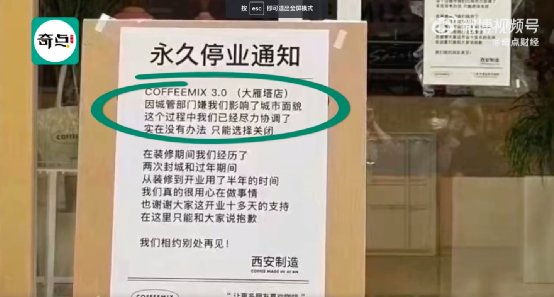
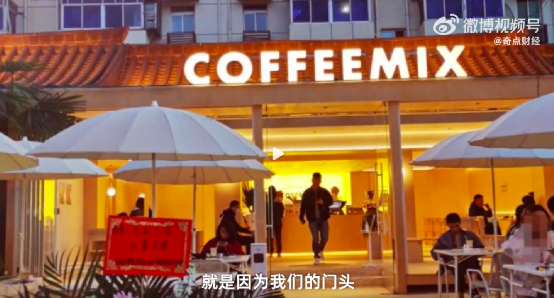
According to information circulating on social media platforms, the coffee shop was posted with a “Permanent Closure Notice” in early April, sparking heated online discussions. The notice stated that the store had been in operation for just over ten days and was deemed to have negatively impacted the city’s overall visual appearance. Despite multiple communications and coordination efforts, it failed to reach a consensus with the relevant authorities and had no choice but to close. Notably,the shop’s façade prominently featured a yellow-and-white color schemethat created a strong contrast against the black-and-red tones dominant in the Tang-style imitation block.
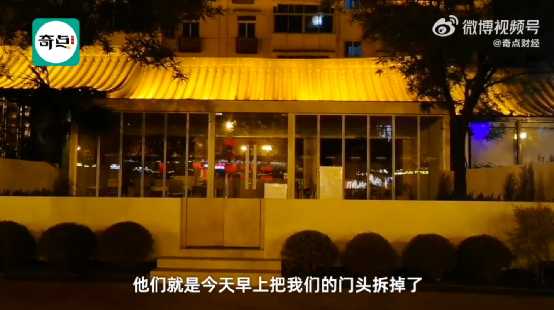
From the shop’s perspective, staff explained that the urban management department found the color of its storefront sign incongruous with the overall ambiance of the street and had already removed the original signage. The rectification proposal put forward by urban management was considered difficult to align with the brand’s established style, and since the required standards could not be met, the matter remained unresolved after various negotiations, leading ultimately to the decision to close. However, the urban management department offered a different account, emphasizing that the coffee shop’s façade was not only disharmonious with the existing buildings along the street but also constitutedunauthorized alterations made without approvaland failed to follow the necessary application procedures. Official records indicate that the deadline for rectification was from April 4 to April 8, but the shop made no adjustments during this period. As a result, the urban management unit carried out the removal of the façade, while the closure decision was made by the shop itself.
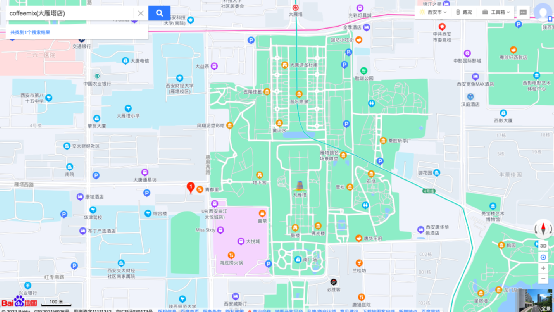
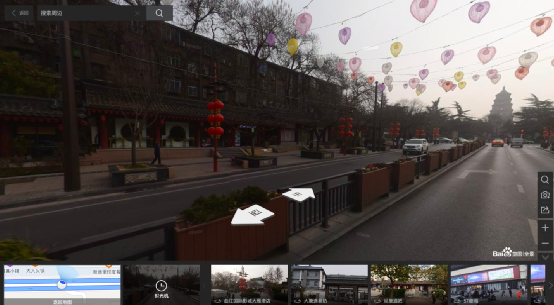
A map search confirms that the coffee shop is located within the Giant Wild Goose Pagoda scenic area. Observing the panoramic map, surrounding shops generally adopt a traditional design with Qin bricks and Han tiles, using a black-and-red color scheme as the main theme, creating a strong atmosphere of Tang Dynasty architecture. However, in actual images, the façade of the involved coffee shop clearly features a yellow-and-white color scheme, particularly with its eye-catching yellow-and-white storefront sign that stands out—perhaps even jarringly—amidst the uniformly styled neighboring shops.
This incident has drawn mixed reactions from netizens. Some questioned the “uniformity” of street appearance management, arguing that urban governance should allow more flexibility. However, many others supported the necessity of unified planning, pointing out that businesses near significant historical landmarks such as the Giant Wild Goose Pagoda should respect the surrounding environment and avoid overly personalized designs that cause visual disruption. Some netizens specifically emphasized that the coffee shop’s façade clearly lacked the necessary approvals, and that the Giant Wild Goose Pagoda scenic area has strict requirements for building and storefront design, so businesses should prioritize compliance with existing rules rather than unilaterally pursuing visual impact.
In fact, coffee as an imported culture has seen numerous successful cases in operating within historical scenic areas. Take Qingguo Lane in Changzhou, for example. This centuries-old street, known as “the first lane of scholars in Jiangnan,” retains many ancient buildings. The Starbucks outlet there was designed to seamlessly integrate modern elements while fully respecting the structure of the original buildings, successfully striking a balance between brand identity and historical ambiance. This kind of design thinking provides important reference material for entrepreneurs looking to open shops in historic districts.
It is understood that a long-time shopkeeper operating nearby the involved coffee shop mentioned that the vast majority of surrounding stores adopt an antique-style design. While each business naturally hopes its own signage can stand out, it still needs to take into account the city’s overall planning and visual harmony. She also shared her own experience, noting that the initial design of her shop’s storefront also underwent multiple revisions and communications before finally passing the relevant approval process. This serves as a reminder to aspiring café entrepreneurs planning to open in historic districts: in addition to expressing brand personality, it is essential to proactively understand and adhere to local regulations regarding building and façade management.

The above content is compiled by CoffeeHunters, a coffee news website.


