







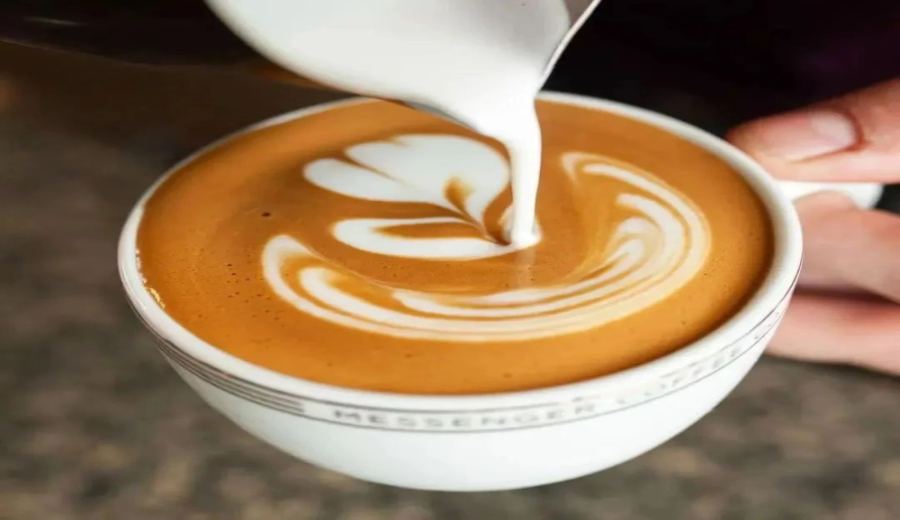
Introduction:Dirty coffee, with its striking layered appearance and distinctive flavor profile, has become an iconic trend in the specialty coffee scene. This article delves into its journey from a small shop in Tokyo, Japan, to its global rise in popularity. It explores how this creative beverage—combining espresso with cold milk—has evolved from a visual gimmick into a classic with rich flavor complexity. In addition to providing key preparation parameters, it also takes you through the dynamic flavor transition from the first sip of hot espresso to the lingering aftertaste of milk, offering practical inspiration for both baristas and coffee enthusiasts.
When espresso meets cold milk and is served without stirring, the result is Dirty coffee—the rapidly rising star of recent years. Originating from a small shop in Tokyo, Japan, this innovative drink may seem like a simple variation of iced latte at first glance, but its visual appeal and evolving flavors have made it a signature offering in many cafés. This article will take you back to its Japanese roots, tracing how Dirty transformed from a local specialty to a globally recognized internet-famous coffee. It also provides a detailed breakdown of the professional brewing process and the captivating layered experience it offers.
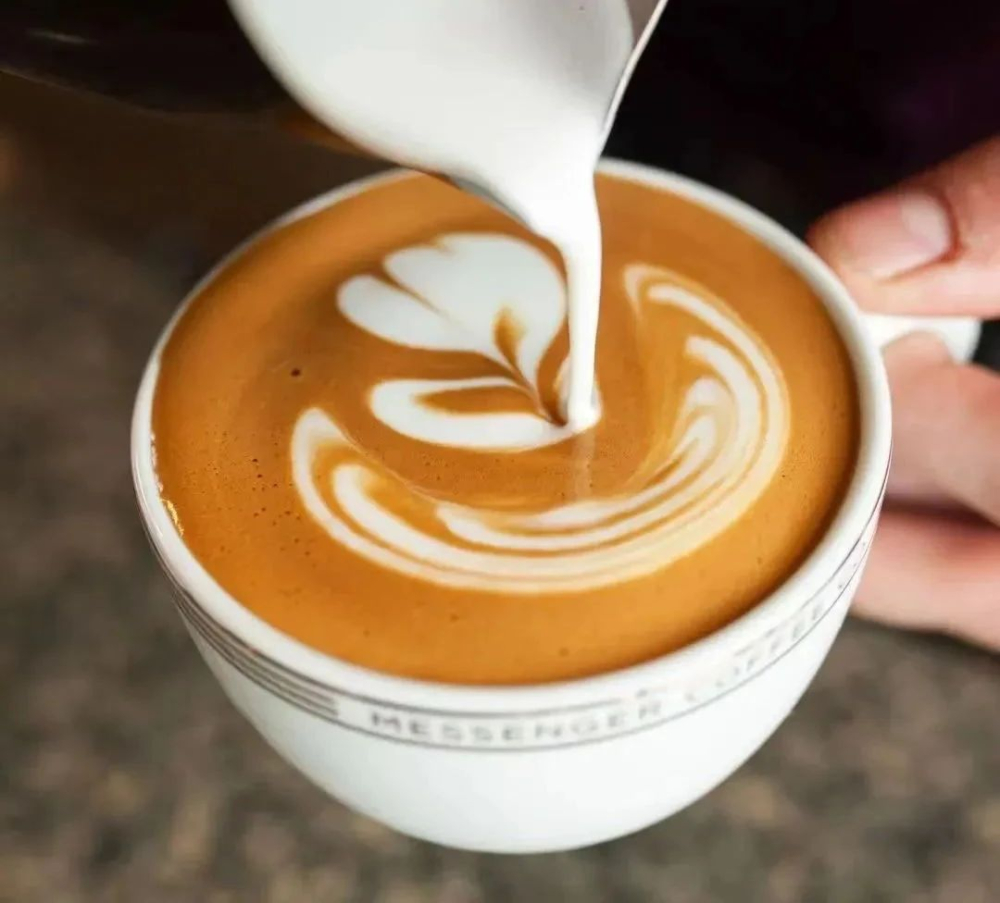
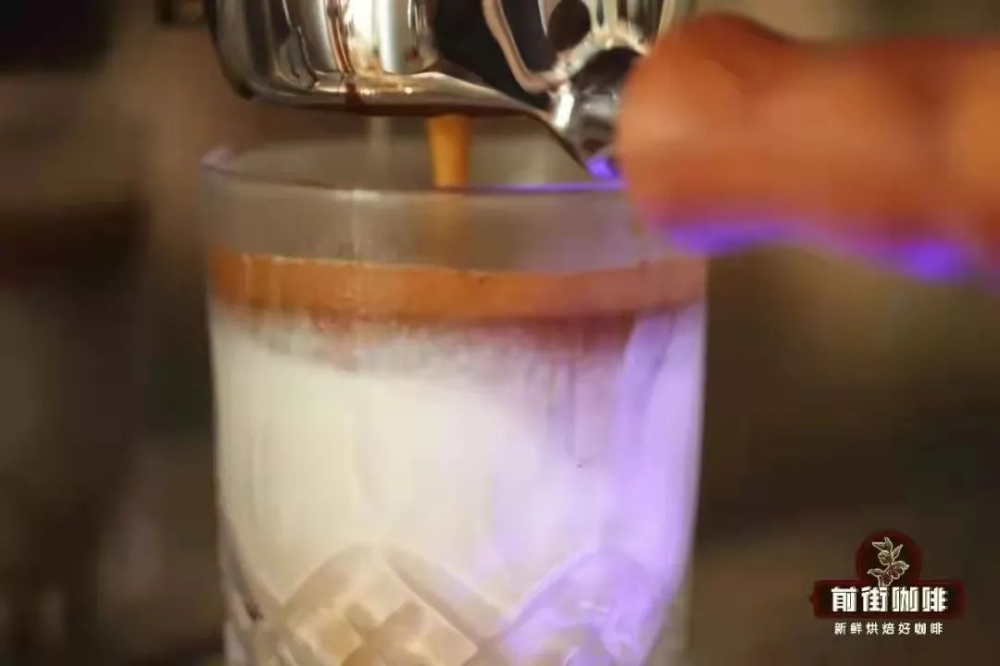
The core combination of Dirty coffee is deceptively simple: a double shot of espresso and chilled milk. Yet within this straightforward pairing lies a wealth of subtle details and balance. To put it in parameter terms, using a common 200 ml pre-chilled glass as an example, about 160–170 ml of chilled milk should be poured in first, ensuring the surface has minimal visible bubbles—use the back of a spoon to gently remove any foam if needed. Then, place the glass directly under the espresso machine’s spout, allowing the freshly extracted, still-hot espresso to pour directly into the cold milk. This maximizes the visual contrast between the hot coffee and cold milk, but the flow rate must be controlled to prevent too much agitation that could cause premature mixing.
The concept of Dirty actually emerged in mainland China as early as 2014, when a café in Beijing, inspired by a Hong Kong barista, introduced a similar format—though it hadn’t yet gained widespread popularity. Later, with the rise of independent specialty cafés across the country, this method of pouring espresso directly into cold milk gradually spread within the industry, spawning various Chinese colloquial names such as “琥珀” (Amber), “汙” (Filth), “白夜” (White Night), and “髒咖啡” (Dirty Coffee). Interestingly, the drink was truly christened “Dirty” and developed into a systematic style thanks to the ingenuity of Japanese baristas.
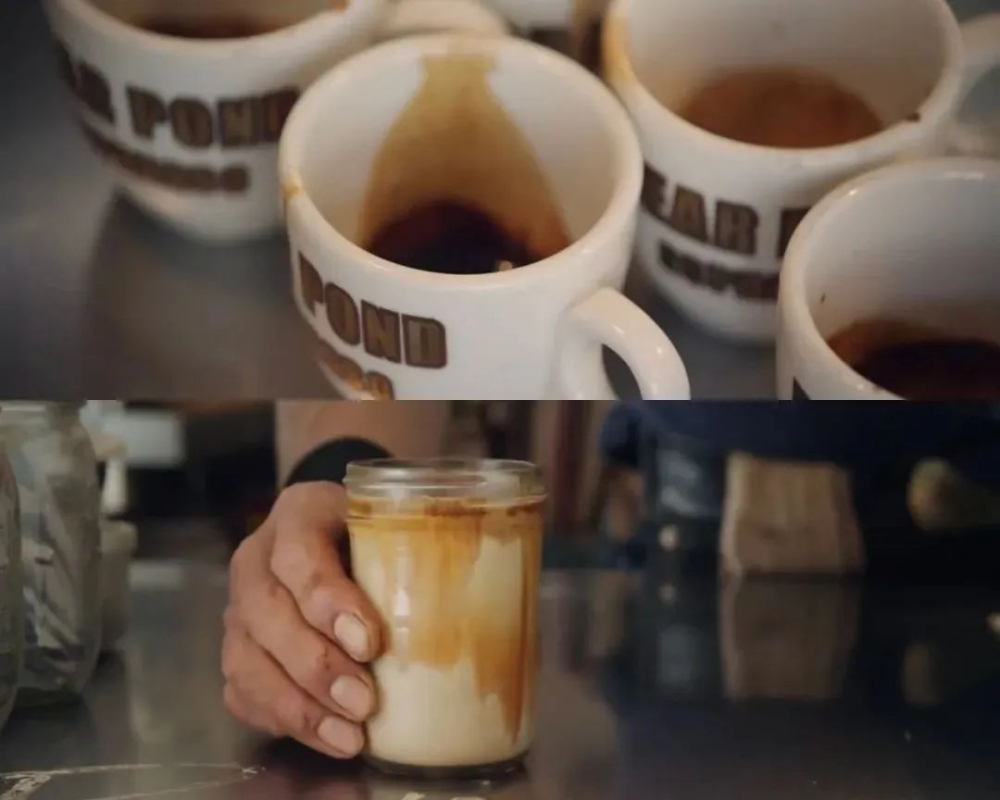
Going back to 2009, Japanese barista Masayuki Tanaka founded Bear Pond Espresso in Kita-Karasuyama, Tokyo, and launched his signature “B.P Dirty.” The most distinctive feature of this drink is its use of a specially crafted espresso blend called “Angle Stain (Angel’s Stain),” brewed using a bottomless portafilter—allowing the barista to directly observe the flow rate and crema performance. Tanaka intentionally employed a combination of dark-roasted beans, high coffee dose, low extraction yield, and extremely high concentration, so that when the double shot of espresso poured in, it left dark, tear-like streaks along the inner wall of the glass. This not only created a stunning visual effect but also slowed down the mixing of coffee and milk. Notably, even without pre-chilling the glass, this Dirty could maintain its prominent layering for several minutes.
Although B.P Dirty didn’t achieve widespread popularity in Japan, it inspired baristas in other parts of Asia, such as Hong Kong and Thailand, who further adapted and refined the concept. By 2018–2019, as visually striking “dirty” foods (like “dirty chocolate toast” or “dirty matcha”) trended online, Dirty coffee rode the wave and gradually settled into its current, unified definition: pouring hot espresso directly into cold milk while the espresso is still at a high temperature, creating a visual tension of “hot meeting cold” and “dark merging into light,” akin to an abstract painting being rendered in real time.
Beyond its eye-catching appearance, Dirty continues to captivate the market due to the dynamic drinking experience it offers—a level of flavor progression rarely achieved by standard iced coffee. A typical iced latte, diluted by ice cubes, often results in a one-dimensional flavor. In contrast, a small serving of Dirty delivers a distinct, layered sensory journey over just three to four sips. The first sip brings a bold, hot espresso, slightly mixed with a touch of cold milk, showcasing the intense essence and aroma of the coffee itself. Next, in the transitional zone where coffee and milk meet, you’ll taste a balanced richness reminiscent of milk chocolate. Finally, when the cup’s base—now dominated by cold milk—takes over, the lingering faint coffee aroma leaves a subtle aftertaste. The overall texture is full-bodied, with a striking temperature contrast from hot to cold and from bitterness to sweetness, making each sip a new surprise.
In summary, Dirty coffee is more than just a product of internet trends—it’s a true art form that blends technique, creativity, and sensory experience. Whether you’re aiming to understand its historical background or planning to recreate it yourself, mastering the correct brewing parameters, grasping the principles behind its layering, and understanding its drinking rhythm will allow you to enjoy a coffee experience that goes far beyond visuals. From a small Tokyo shop to specialty cafés across mainland China, Hong Kong, and Taiwan, Dirty’s evolution is a testament to the spirit of coffee innovation.
The above content is compiled by CoffeeHunters, a coffee news website.


