







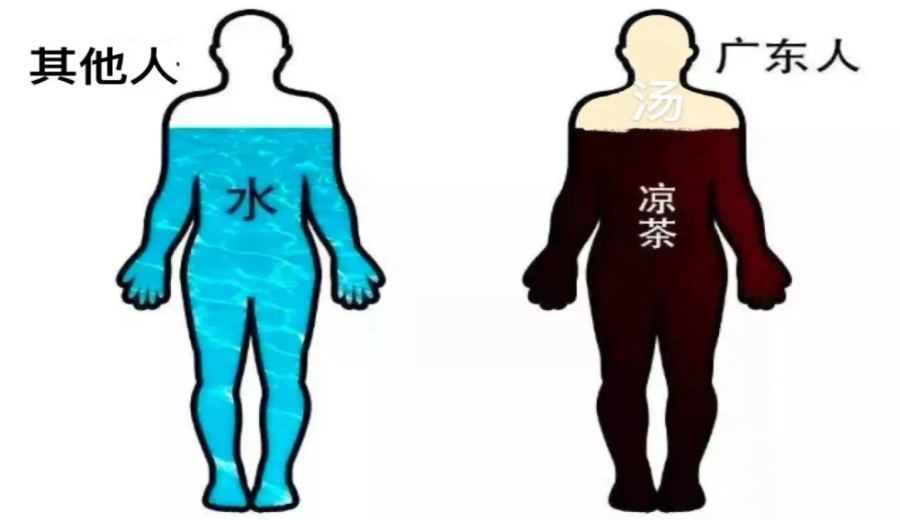
Introduction:When traditional herbal drinks meet modern pour over and espresso techniques, Guangdong baristas have sparked creative inspiration amidst the March weather. This article introduces three unique beverages that blend herbal tea granules such as Xia Sang Ju and Ban Lan Gen with coffee methods, including cold brew at low temperatures, ultra-fine grind espresso, and Cantonese-style flavor blending. It analyzes their distinctive extraction parameters and flavor profiles, while also cautioning about potential gastrointestinal discomfort risks from experimental drinks, offering practical references and safety advice.
In Guangdong, cross-border experimentation between coffee and traditional herbal drink culture is quietly emerging. This March, local baristas applied professional pour over and espresso extraction techniques to common herbal tea granules like Xia Sang Ju and Ban Lan Gen, creating a series of bold, taste-challenging creative drinks. These beverages not only showcase an experimental spirit but also represent a unique dialogue between Eastern and Western beverage cultures.
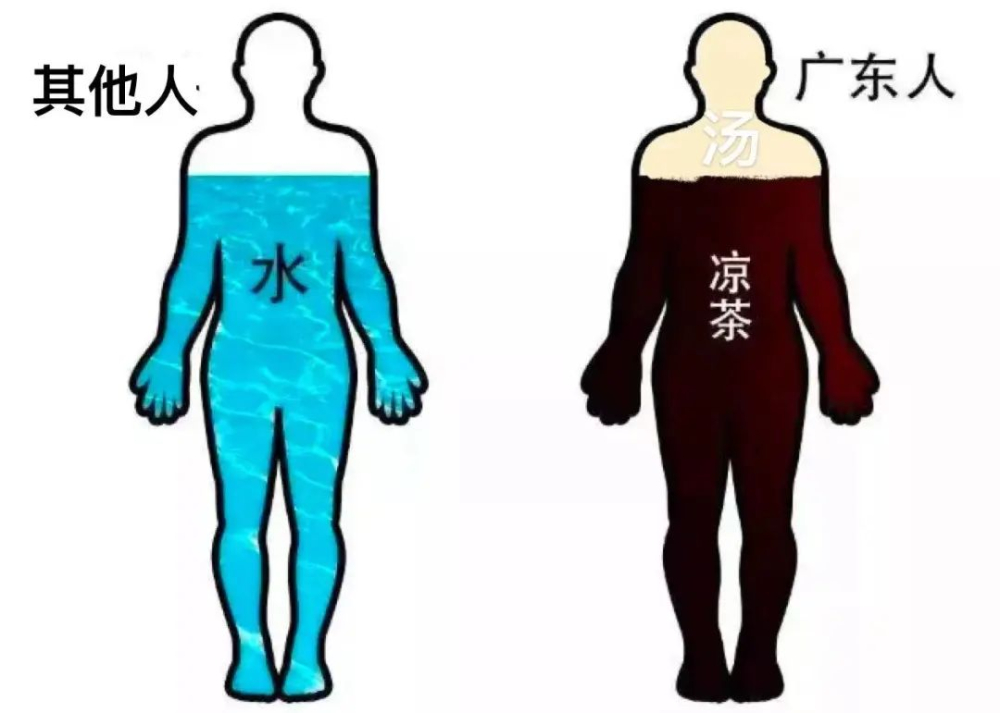
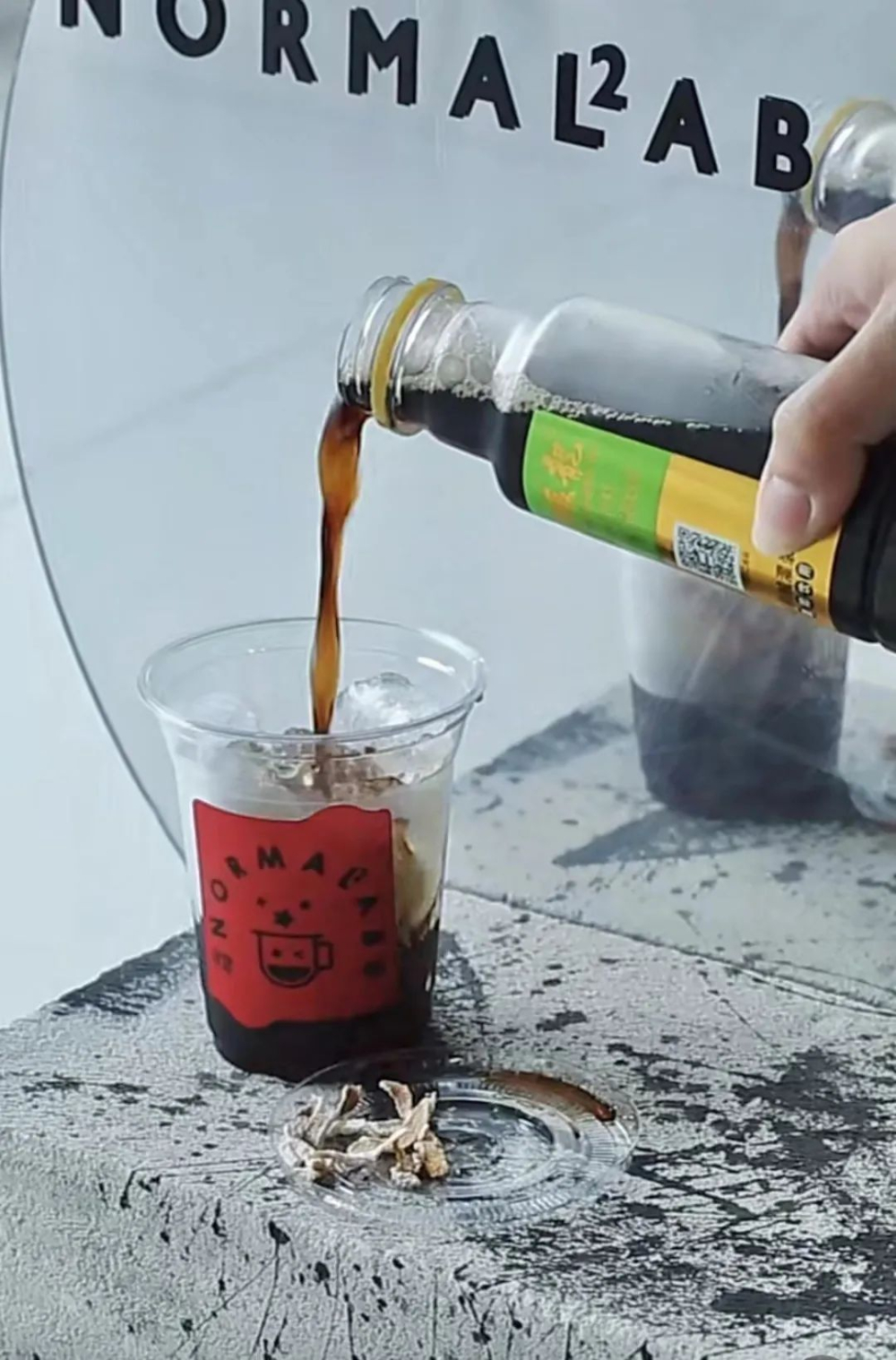
Among them, the “Pour Over Xia Sang Ju” uses 20 grams of Xia Sang Ju granules, extracted via cold drip at a 1:10 coffee-to-water ratio. Due to the high solubility of the herbal tea granules’ active components,a water temperature of around 40 degrees Celsiusis sufficient for full extraction. After brewing, gently shake the unevenly concentrated liquid in the server to ensure balanced flavor before drinking. Though this method may seem simple, it requires precise control of water temperature and time to avoid over-extraction, which can lead to bitterness.
Another creative drink, the “Espresso Clear-Fire Granules,” boldly combines Ban Lan Gen with espresso extraction techniques. The key to this beverage lies inultra-fine ground coffeeand the layered placement of Ban Lan Gen granules. First, the coffee grounds are evenly distributed and tamped, then 10 grams of Ban Lan Gen granules are sprinkled on top and leveled using a distribution tool. Finally, the shot is pulled using a pressure-based espresso machine. This process must maintain stable pressure to fully release the combined flavors of Ban Lan Gen and coffee.
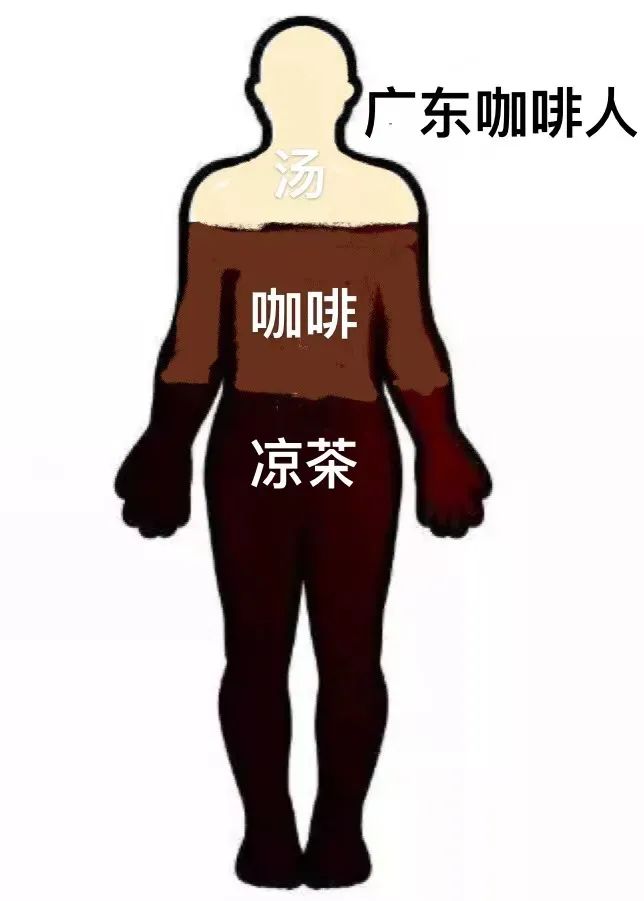
Beyond the two aforementioned drinks, there are also creatively blended drinks infused with Cantonese-style flavors. For example, ingredients such as chrysanthemum, goji berries, and licorice are added to Guangdong-style iced water to create a locally distinctive herbal tea base, which is then paired with coffee according to personal preference. This customizable beverage method is flexible and can adjust ingredient ratios based on season and individual taste, showcasing the diversity of Cantonese drinks.
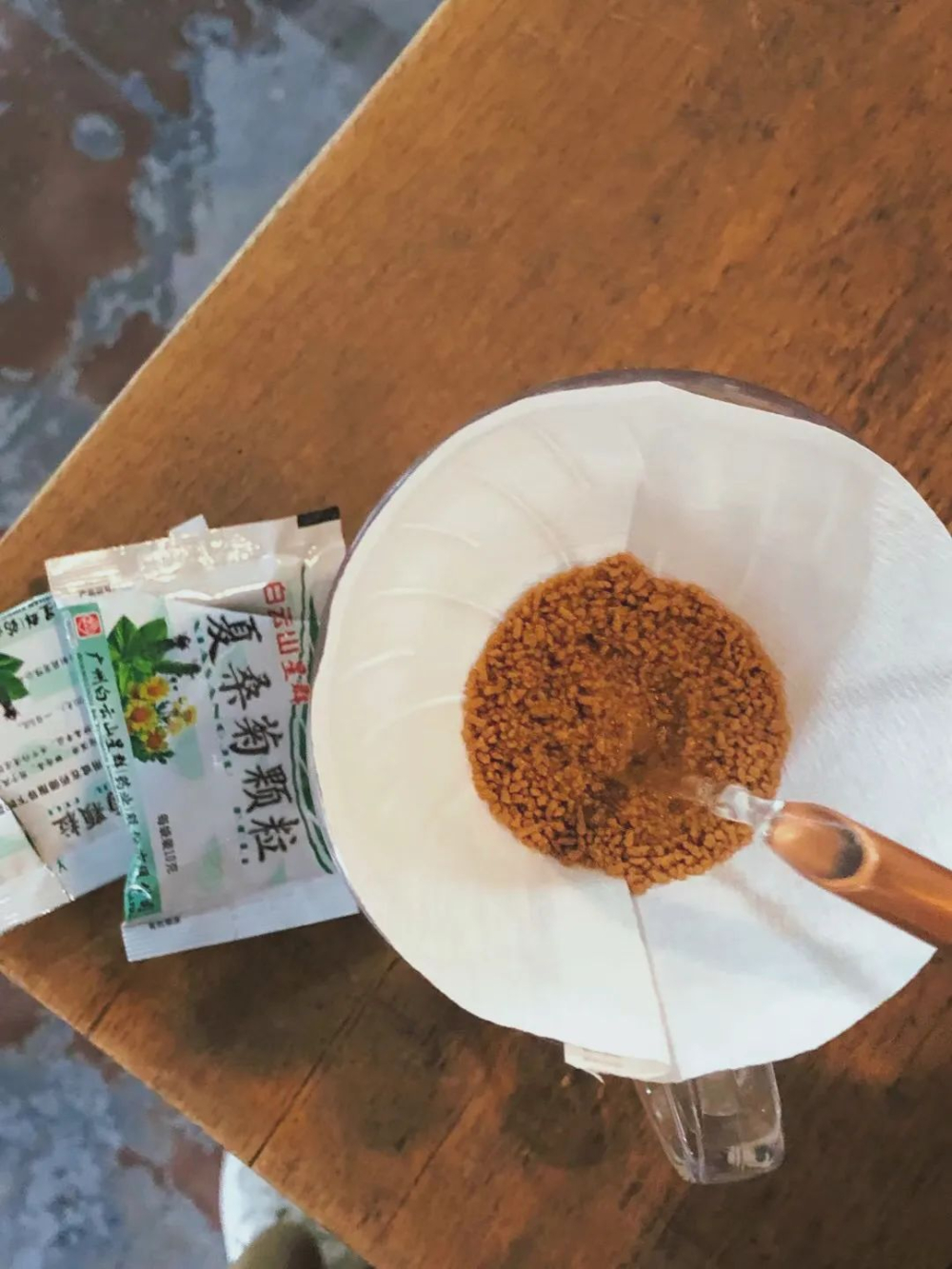
However, although these creative drinks are novel and fun, they do carry certain risks. Due to the interaction between herbal tea granules and coffee, consumption may lead to gastrointestinal discomfort, or even intense cramping and pain. Therefore, these special blends are better suited as experimental trials and are not recommended for frequent or heavy consumption. While seeking inspiration and comfort in the March weather, the baristas also remind enthusiasts to approach these experimental recipes with caution.
In summary, these herbal coffee blends not only demonstrate the innovative thinking of Guangdong baristas but also offer cross-genre inspiration for coffee lovers. From cold brew at low temperatures to espresso extraction, each step involves technical details and flavor exploration, making them worthy of deeper understanding and experimentation—but safety should always be the top priority.
The above content is compiled by CoffeeHunters, a coffee news website.


