







Introduction:Kenyan black tea has secured its position as the world’s top exporter with stable production capacity and premium flavor. From the planting of the first tea bush in Limuru in 1903 to today’s vast tea plantations sprawling across the Rift Valley highlands, what flavor secrets lie within this century-long tea industry development? This article will take you to explore core producing regions such as Nandi Hills, Kericho, and Limuru, delving into how CTC processing and high-altitude cultivation shape Kenya’s bold and richly flavored black tea, along with practical travel and tasting recommendations.
Kenyan black tea holds a significant place in the global tea market—not only ranking fourth in production but also consistently topping the charts in export volume. All of this began with the planting of the first tea bush in the town of Limuru in 1903. At that time, the British man G.W.L. Caine planted it purely for ornamental purposes in his garden, but unexpectedly, the tea plant found an ideal environment in Kenya’s mountainous regions at an altitude of 2100 meters. Later, another British individual, Arnold Butler McDonell, purchased approximately 2124 acres of land in Limuru to start a farm. After several failed attempts at growing other crops, he introduced tea seedlings through a friend in 1918, marking the first step in Kenya’s tea cultivation.
McDonell’s Kiambethu Tea Estate became an early hub for tea processing and sales. The tea he personally produced featured a deep infusion color and rich taste, quickly gaining local fame and gradually expanding to other parts of Kenya. This chapter of tea development initiated by private farms laid the foundation for Kenya’s future status as a major global tea supplier.
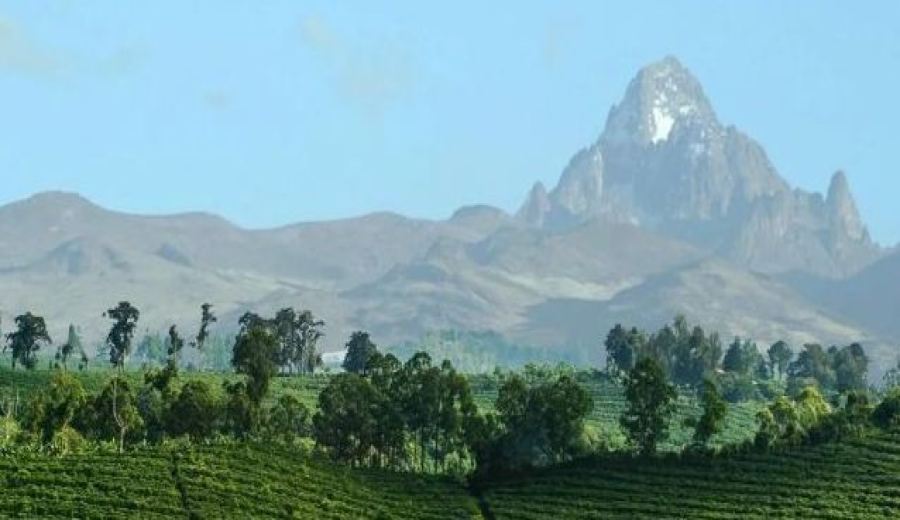
Today, Kenyan tea has become an important raw material for many internationally renowned brands, including France’s Mariege Frères, Britain’s Twinings, and even Lipton, which operates exclusive tea estates in Kenya. These brands favor Kenyan tea due to its exceptional natural conditions: tea plants are grown in the fertile volcanic soils of the Rift Valley, at altitudes between 1500 and 2700 meters, with abundant sunlight, plentiful rainfall, and minimal pests. Coupled with the advantage of straddling the equator, the tea gardens can continuously sprout new buds all year round, ensuring stable yields.
During harvest season, tea leaves are mainly handpicked to ensure each tender leaf meets high standards. In terms of processing, Kenya predominantly uses the CTC (Crush-Tear-Curl) method, which significantly increases the contact area between tea leaves and water, accelerating flavor release. This results in a tea with intense aroma and a robust brew. For locals, the classic way to enjoy it is with milk and sugar, and ‘masala chai’—a national drink combining black tea, milk, cane sugar, and ginger—is especially popular.
To experience the charm of Kenyan tea firsthand, consider visiting some well-known producing areas. Nandi Hills, located in the western part of the Great Rift Valley, and Kericho, known as the “Tea Capital,” are both major sources of high-quality tea. Kericho hosts over half of Kenya’s tea gardens and can be reached from Nairobi by small plane in about an hour. It not only boasts expansive rolling tea-covered hills but also offers complete experiences of the black tea production process and tea tasting services. Limuru, one of the birthplaces of tea, retains many traces of early cultivation and is perfect for exploring the history of the tea industry.
Kiambethu Farm, on the outskirts of Nairobi, is a popular tourist destination where visitors can tour tea plantations, learn about tea-making processes, and explore surrounding forests accompanied by guides, with chances to spot colobus monkeys and various bird species. The organic vegetarian meals and desserts offered here add more enjoyment to the trip. As for the coastal city of Mombasa, as a major international hub for tea trade, it’s also a great place to savor tea. Enjoying a cup in an afternoon teahouse offers yet another taste of Kenyan tea.
The above content is compiled by CoffeeHunters, a coffee news website.


