







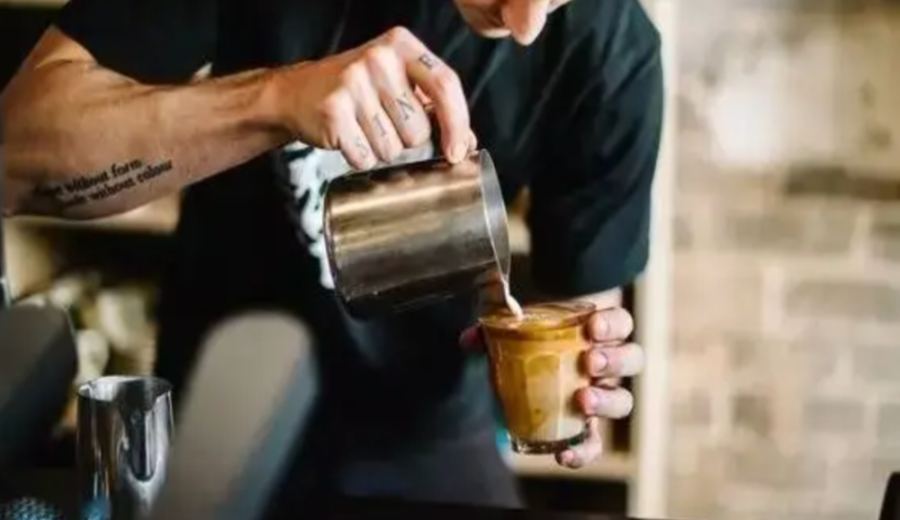
Introduction:Baristas are not only creators of beverages but also bridges to coffee culture. This article explores the essence of the barista profession, delves into the importance of service awareness in this role, analyzes how professional skills and customer communication complement each other, and debunks the myth that "high technical skill eliminates the need for service." Whether you are an industry professional or a coffee enthusiast, you will gain a deeper understanding of the role of a barista.
In recent years, the barista profession has become one that many young people aspire to, but it also comes with no shortage of controversy. Some believe that baristas should showcase their own style and don’t need to deliberately please customers, while others insist that as part of the service industry, providing a good experience is a basic requirement. So, how should a barista position themselves? What role does service attitude play in this professional field?
Looking back, baristas often gave the impression of being friendly and professional, but nowadays some practitioners are gradually distancing themselves from customers, even treating coldness and impatience as symbols of personality, with a simple “I was just born this way” becoming an excuse to avoid responsibility. Such a shift is worth deep reflection within the industry.
Whether they are apprentices just entering the field or baristas who already have a certain level of technical skill, some people think that working in a coffee shop is a big deal, so they must show a unique attitude. However, this mindset often overlooks the fact that coffee shops are fundamentally service-oriented businesses, and the responsibilities of a barista go beyond just brewing a good cup of coffee—they also include interaction and service with customers.
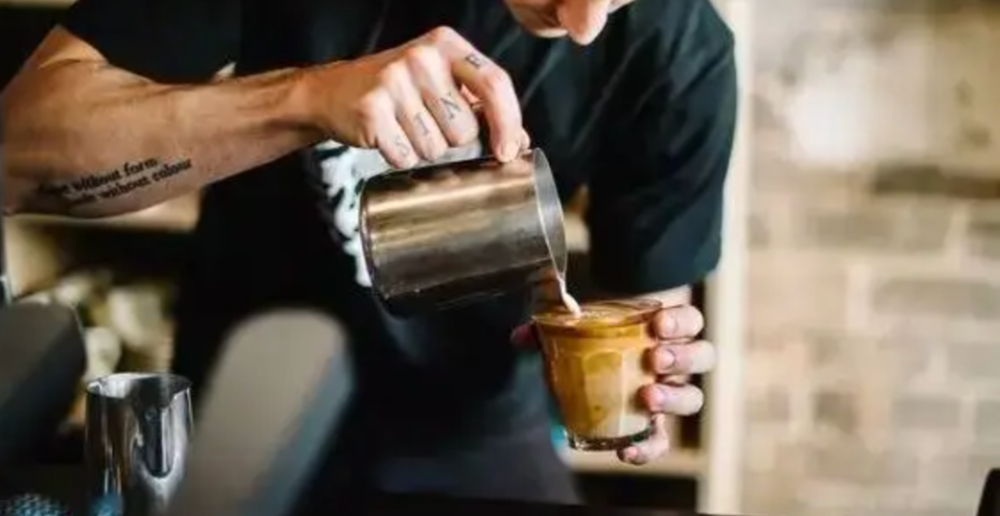
Some may ask, is serving customers embarrassing? The answer is clearly no. In all walks of life, service ability is actually an important component of professional quality. Especially for baristas, if they hope to promote specialty coffee culture, they need to help customers understand and love this beverage through good communication and service. If one is only obsessed with showcasing their own technical skills or only interacts with a few like-minded individuals, how then can the social value of a barista be reflected?
The birth of the barista profession was originally intended to have practitioners use their expertise to guide more people in understanding coffee, thereby promoting the positive development of the overall culture. However, in reality, many baristas focus only on self-improvement, even showing impatience toward newcomers, using this to display a sense of superiority. They may have forgotten that the character “师” (teacher) inherently represents the responsibility of teaching and sharing.
Some might say, “If I open my own shop and become the boss, I can be as unique as I want.” Indeed, opening a coffee shop can stem from passion or dreams, but if the goal is to attract customers and create a good atmosphere, service remains an indispensable part. Customers not only expect a good cup of coffee but also hope to feel respected and receive professionalism—that’s the key to sustaining a business.
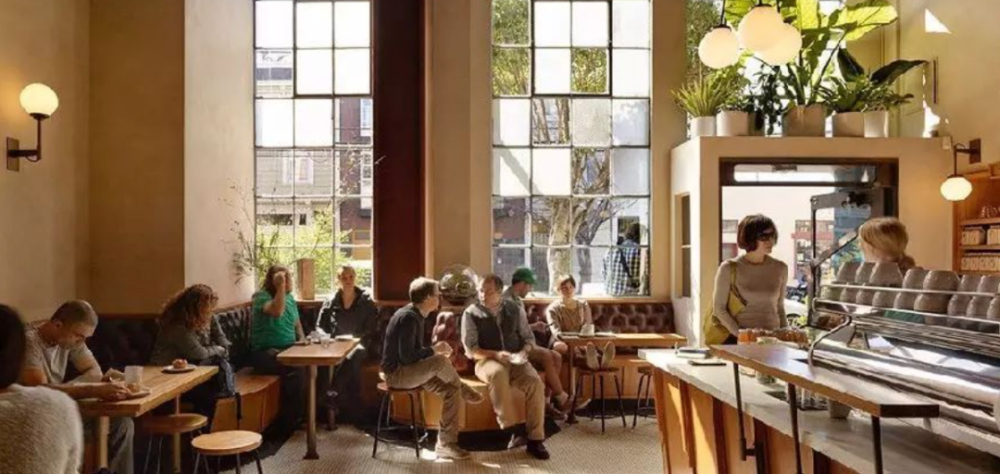
No matter how much professional knowledge or exquisite extraction skills one has, without a good service attitude, it is ultimately difficult to win customer loyalty. Technique is the foundation, but service is the soul. Without the soul, even the most solid foundation struggles to shine. Various customer demands should not be seen as pickiness, but rather as opportunities for self-improvement. Every challenge is an opportunity to refine both service and expertise.
In actual work, baristas often encounter customers with special requests regarding flavor, strength, or brewing method. At such times, in addition to making technical adjustments, patience in communication and understanding customer preferences are equally essential. For example, when brewing pour over coffee, adjusting grind size and water temperature based on a customer’s taste preference, or slightly modifying pressure and time in espresso based on needs—these are all concrete expressions of professional service.
Service awareness not only affects the customer experience but is also directly related to the professional development of the barista. A barista who is willing to listen and adjust is often more likely to earn customer trust, thus creating a positive word-of-mouth effect. And that kind of reputation is often an intangible asset for long-term operation of either a barista or a coffee shop.
In summary, the work of a barista is not just about showcasing technique but also about the art of interacting with people. Maintaining an open mindset and understanding the value of service allows for a true fusion of professionalism and humanity, making every cup of coffee not just a sensory delight but also an embodiment of service and culture.
The above content is compiled by CoffeeHunters, a coffee news website.


