







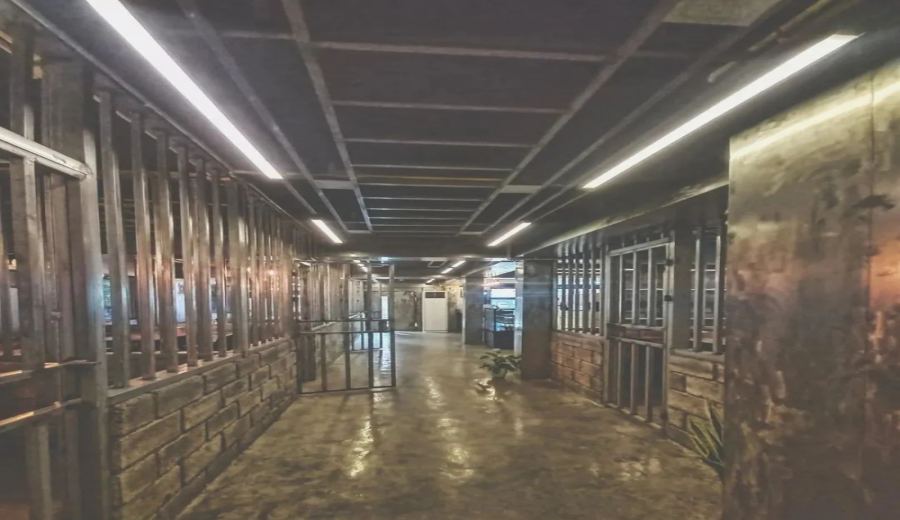
Introduction:Exploring the rise of prison-themed cafés across Southeast Asia and other parts of Asia, and how they help rehabilitate inmates through vocational training while offering consumers a unique experience. From innovative programs by Thailand’s Ministry of Justice to follow-up initiatives in Malaysia and Laos, these spaces are not just beverage outlets but experimental arenas for social inclusion.
In recent years, a type of café that combines social good with a distinctive atmosphere has gained popularity in Southeast Asia—prison-themed cafés. These spaces are either repurposed from old prison facilities or intentionally designed with elements such as iron bars and jail cells to create an immersive vibe. Their core value lies in using vocational training to assist inmates in reintegrating into society, while also prompting the public to reflect on legal systems and social biases.
Thailand can be considered a pioneer of this innovation. In 2018, its Ministry of Justice launched a specialized vocational training program, selecting inmates who had served a portion of their sentence, had a short remaining term, and posed no escape risk to receive professional training in coffee brewing, food preparation, and customer service. Notably,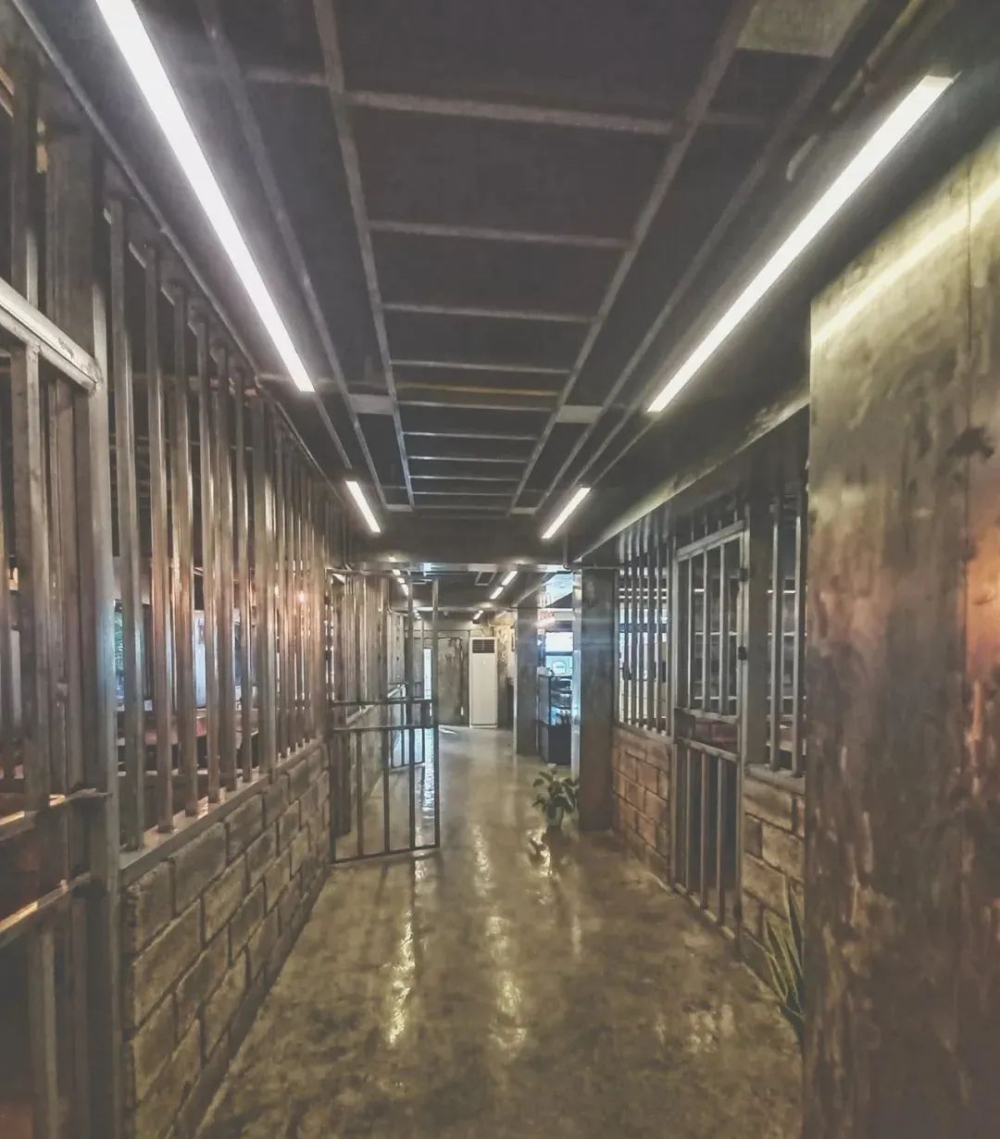 this program not only enhanced the employability of the inmates, but prison authorities also observed that participants exhibited significantly more positive and stable behavior after interacting with the public.
To deepen social connections, Thailand’s Ministry of Justice further planned in 2020 to transform half of the country’s 143 prisons into tourist attractions, integrating café, dining, and handicraft sales functions to create more opportunities for inmates to engage with society. This move not only provides practical work experience but also helps change public stereotypes about individuals with criminal records.
Inspired by Thailand’s success, Laos launched a distinctly different prison-themed café in 2021.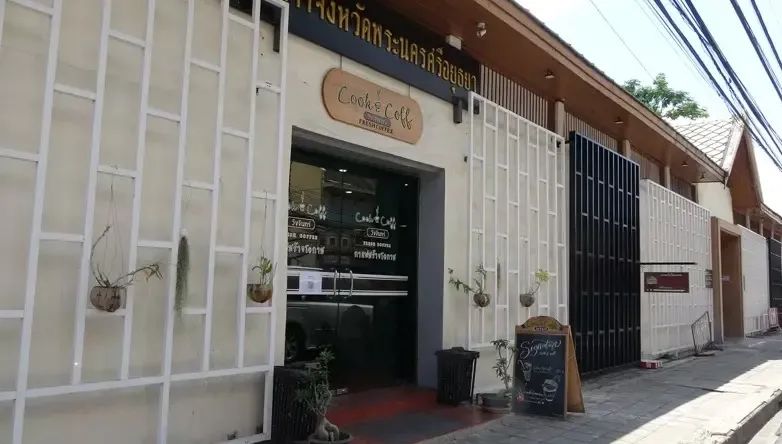 Although not located within an actual prison building, its interior design deliberately amplifies prison imagery—cold iron bars, dim lighting, and orderly arrangements create a striking contrast, delivering an immersive experience that leaves a deep impression on visitors. Even without direct contact with inmates, it provokes reflection on judicial and correctional issues.
In February 2024, Malaysia opened its first national prison café next to the Malacca Yeap Lei Cheng Prison Museum. Its uniqueness lies in directly utilizing the existing prison building space. During the renovation process, the original jail cell structures and the death row inmates’ final message room were specially preserved and transformed into a featured bar area and VIP reception space.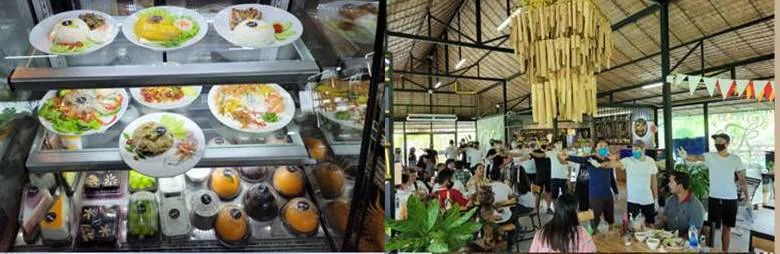 Based on family background and personal conviction, the shop owner insisted on collaborating with the Henry Gurney Correctional School in Malacca to design the space. The baked goods and handicrafts in the shop are all handmade by the students of the correctional school, and there are future plans to hire former inmates and provide systematic vocational training.
It is worth noting that such spaces present diverse development forms across Asia. Compared to Southeast Asia’s focus on rehabilitation and social reintegration, a prison-style café launched in Hangzhou, China, in early 2023 leaned toward a modern industrial design language, using elements such as iron doors and windows to create an atmosphere, successfully attracting young people for check-ins and consumption. However, due to overwhelming popularity, the shop had to implement a “ticketing system” for management, reflecting the challenges and balancing acts in the commercialization of such themed spaces.
The practice of these prison-themed cafés not only offers consumers a unique cultural experience but also demonstrates the potential for integrating correctional systems with social enterprises. Through vocational skills training, the creation of social interaction opportunities, and spatial narrative design, these cases provide tangible support for inmates to reintegrate into society while also prompting the public to think deeply about issues such as judicial rehabilitation and social inclusion.
The above content is compiled by CoffeeHunters, a coffee news website.


