







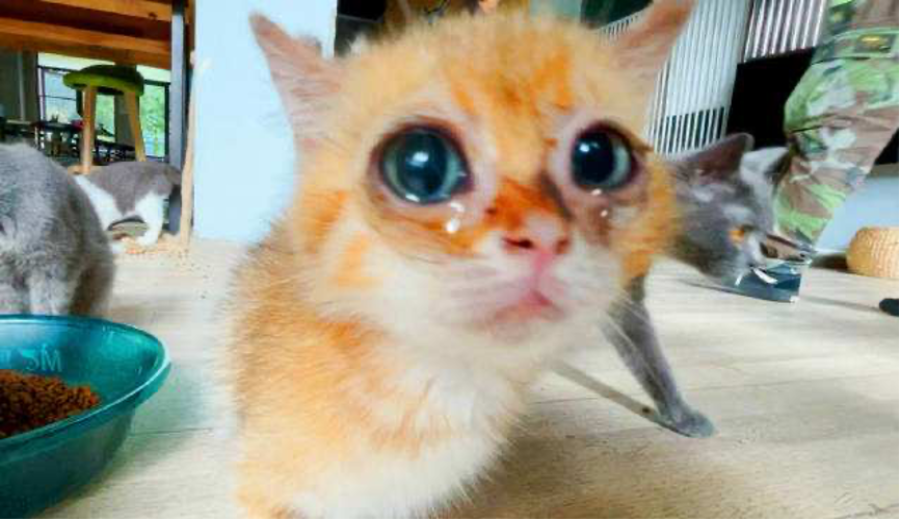
Introduction:In recent years, cat cafés and pet-themed restaurants have become new choices for urbanites to unwind, but issues related to hygiene and animal welfare have emerged one after another. The newly released "Guidelines for the Operation of Indoor Pet Interaction Experiences" by Tianjin Municipality explicitly standardizes the business practices of establishments such as cat cafés, including prohibiting dog interactions and strictly separating dining and pet areas. This article delves into the key points of the new regulations, explores their impact on the industry and animals, and further introduces the controversial phenomena of special animal restaurants in Asia.
In recent years, leisure venues that incorporate animals, such as cat cafés and pet-friendly restaurants, have rapidly gained popularity, becoming a new way for many office workers to relieve stress. However, common problems in such places—such as hygiene risks and inadequate animal care—have gradually come to public attention. To regulate the market, the Tianjin Municipal Administration for Market Regulation issued the "Tianjin Guidelines for the Operation of Indoor Pet Interaction Experiences" on February 21, setting specific requirements for businesses like cat cafés and sparking widespread discussion.
The "indoor pet interaction experiences" referred to in these Guidelines involve providing consumers with activities such as observing, petting, and feeding animals—primarily cats, rabbits, ducks, and similar creatures—in exchange for a fee. The covered business types include "pet interaction experience centers," "pet-friendly restaurants," "cat cafés," and "pet-themed beverage shops," but exclude pet interaction areas within officially accredited zoos, as well as standalone outdoor pet interaction parks.
Particularly noteworthy is that the new regulations explicitlyprohibit dogs from being displayed or having direct contact with consumers, in order to reduce potential conflicts and hygiene risks. Additionally, the same business entity may not combine food sales with pet interaction services; if food and pet interaction areas are located in adjacent premises, they must be completely separated, with no shared spaces, facilities, or personnel. Furthermore, food and beverages may not be served directly to customers within pet activity zones, and the raising of poultry or livestock animals within dining venues is strictly prohibited.
The release of these rules has drawn mixed reactions online. Some netizens expressed approval, believing it helps improve public hygiene and animal welfare, while others cited international management examples, calling for more comprehensive animal protection laws to prevent commercial practices that sacrifice animal rights.
In fact, conventional animal-themed cafés featuring common animals like cats, dogs, rabbits, and call ducks are no longer enough to satisfy consumers seeking novel experiences. In some Asian countries, certain restaurants have even introduced non-traditional "staff" such as hedgehogs, spiders, alpacas, and deer to attract customers. However, these animals are often confined in cramped spaces, exposed to large crowds and noise, leading to concerning physical and mental conditions. Not only are animal activity and waste areas often overlapping with human dining spaces, but this also results in deteriorating hygiene, with food sometimes contaminated by animal fur or odors—severely impacting the customer experience.
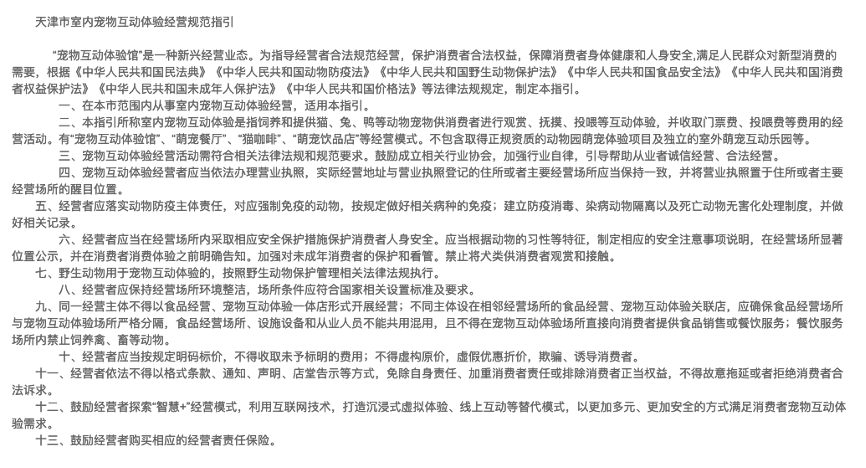
Such animal-themed restaurants have been widely criticized as "unfriendly to both humans and animals." For example, in 2021, a cat café in Chengdu faced backlash due to long-term mismanagement, resulting in poor conditions and compromised feline health, becoming a cautionary case. Similar situations have occurred in South Korea, where the government has shut down all wildlife cafés—a move that gained considerable public support. The operational guidelines issued by Tianjin this time set clear boundaries for animal-themed venues to some extent, helping prevent pets from becoming mere profit tools for businesses and encouraging the overall market to develop in a healthier and more responsible direction.
The above content is compiled by CoffeeHunters, a coffee news website.


