







Introduction:Many coffee enthusiasts want to enjoy the aroma of coffee but are concerned about consuming too much caffeine. Low-caffeine and decaffeinated coffees are often confused, but they actually differ significantly in definition and processing methods. This article delves into the distinctions between the two, focusing on low-caffeine coffee beans from the Colombian region. It explores their unique flavor profiles and market price performance, as well as how the Swiss Water Process helps preserve rich, nutty, cocoa, and caramel notes—helping you make a smarter choice.
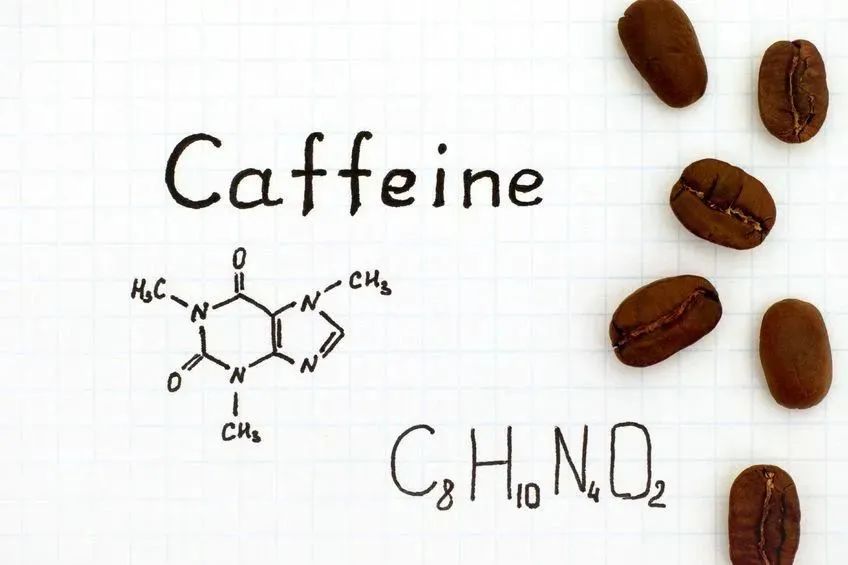
Caffeine is the core component that contributes to coffee’s stimulating effects. Moderate consumption can help boost energy, but excessive intake may lead to discomforts such as palpitations and insomnia. According to various dietary recommendations, the daily caffeine intake for adults should be limited to 400 milligrams or less, roughly equivalent to five cups of pour over coffee brewed with 15 grams of coffee grounds. For this reason, many consumers who wish to reduce caffeine intake without giving up the flavor of coffee have started paying attention to low-caffeine or decaffeinated options.
However, low-caffeine and decaffeinated coffees are often mistakenly thought to be the same product, which is not the case. “Low-caffeine” generally refers to coffee with relatively lower caffeine content but may still contain a small amount of caffeine; whereas “decaffeinated” means that the vast majority of caffeine has been removed through specific processes, meeting international standards (typically requiring less than 5 milligrams of caffeine per cup of decaf coffee). Understanding this basic difference is the first step in choosing the coffee that best suits your needs.
Many commercially available low-caffeine coffee products, while reduced in caffeine content, often lack the rich flavor complexity of regular coffee and can taste bland or thin. However, in recent years, some producing regions and processing mills have successfully preserved the original flavor profile by optimizing the decaffeination process. For example, low-caffeine coffee beans from Colombia are among the high-quality cases frequently mentioned in the industry.
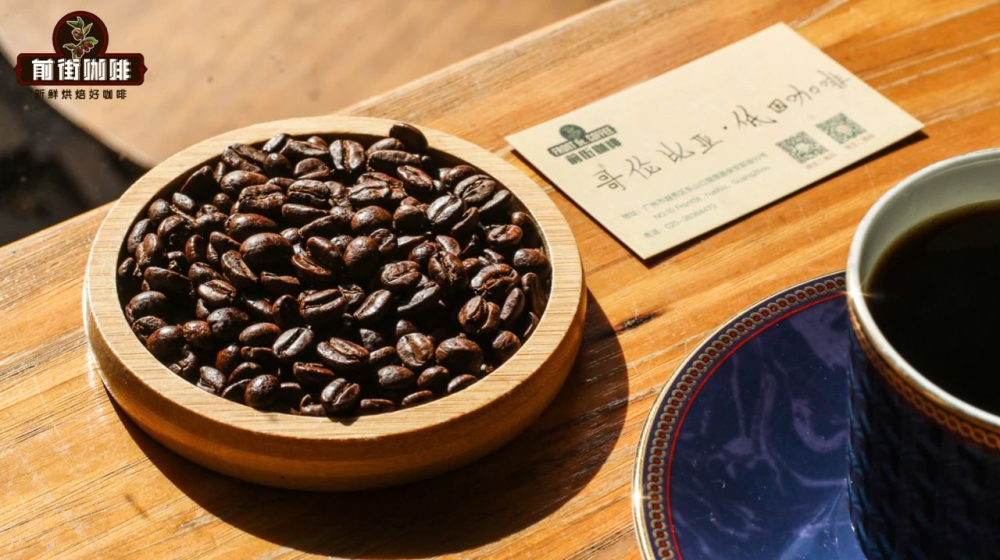
As a globally renowned producer of high-quality Arabica coffee, Colombian beans are widely praised for their rich mouthfeel, distinct nutty notes, and moderate acidity. Even after undergoing decaffeination, some carefully processed Colombian low-caffeine beans can still exhibit a harmonious flavor of nuts, cocoa, and caramel, providing a satisfying experience close to that of regular coffee.

Currently, the mainstream decaffeination methods on the market include the carbon dioxide high-pressure method, the solvent method, and the Swiss Water Method. Among these, the Swiss Water Process is a completely chemical-solvent-free treatment that primarily uses pure water and an activated carbon filtration system to selectively remove caffeine while preserving flavor compounds. This method is not only more natural but is also commonly found in high-quality, additive-free decaffeinated coffee products.
A certain coffee brand once launched a Colombian bean decaffeinated using the Swiss Water Process, and its flavor performance was surprising. According to tasting feedback, this low-caffeine coffee bean exhibited a richness almost indistinguishable from that of regular Colombian coffee, along with noticeable nutty aromas, a mild cocoa profile, and a caramel sweetness in the aftertaste. The overall performance was balanced and layered. This achievement is credited not only to the quality of the coffee beans themselves but also to the stable and meticulous decaffeination process.
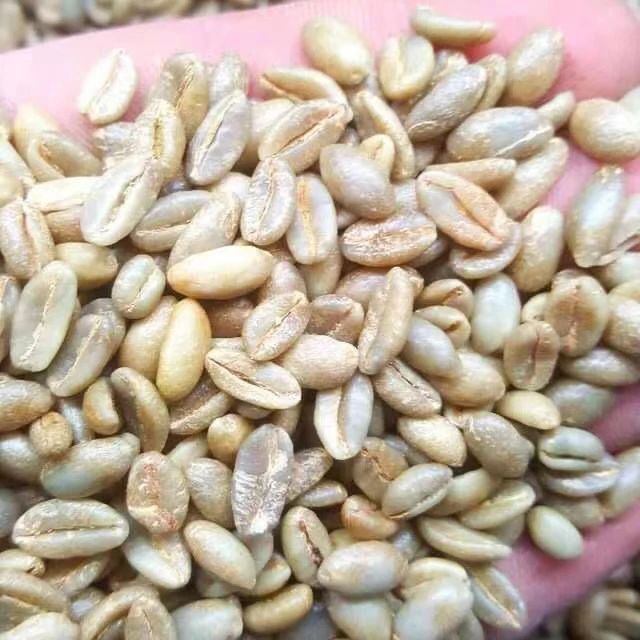
From a pricing perspective, Colombian low-caffeine coffee beans are typically slightly more expensive than regular Colombian coffee beans, mainly because the decaffeination process is more complex and requires higher-cost processing techniques, such as the Swiss Water Method. Generally speaking, their price may be about 10% to 20% higher than that of conventional beans from the same region, but for consumers seeking low caffeine without sacrificing flavor, this premium is often worthwhile.
Additionally, when purchasing low-caffeine or decaffeinated coffee, it’s advisable to check whether the packaging clearly indicates the decaffeination method used and the residual caffeine content, so you can make a choice based on your personal needs. Consumers who are sensitive to chemical solvents or have special dietary considerations may want to prioritize products that use solvent-free methods such as the Swiss Water Process.
In summary, although both low-caffeine and decaffeinated coffees adjust caffeine content, they differ significantly in definition, processing methods, and flavor profiles. Leveraging its regional advantages and increasingly mature decaffeination techniques, Colombian low-caffeine coffee beans have successfully retained rich flavor characteristics under low caffeine conditions—especially the classic notes of nuts, cocoa, and caramel—allowing coffee lovers who want to reduce caffeine intake to still enjoy a cup of coffee with a full and satisfying flavor.
The above content is compiled by CoffeeHunters, a coffee news website.


