








Introduction:Opening a coffee shop is a dream for many, but few manage to run one successfully in the long term. This article analyzes three real-life business cases—large venue-based shops, alleyway delivery-only stores, and high-end specialty cafes—by diving deep into their positioning strategies, cost structures, and risk management. Whether you're a startup or considering a pivot, these practical insights will help you think more clearly: how should your coffee shop be positioned to stand firm in this competitive market?
Many people dream of opening a coffee shop, but only a handful can turn that dream into reality and sustain it. Before jumping into the coffee industry, there’s a crucial question you must answer first: how will your coffee shop make money? And who is your target customer? This article will start by discussing common types of coffee shop business models, then explore three representative real-world cases—including a large venue-rental coffee shop, a hidden alleyway delivery-only cafe, and a high-end specialty coffee shop—to examine the challenges they faced, their outcomes, and the operational blind spots reflected therein.
First, we need to clarify a common misconception: a coffee shop isn’t just a place that sells coffee—the business model and positioning are what truly determine success or failure. Coffee shops on the market can generally be divided into several types: large exhibition-space hybrid cafes, medium-to-large stores offering a “third space” like Starbucks, small takeout-focused outlets (like those similar to Manner), social media-influencer style shops, and high-quality specialty stores focused on premium coffee. These different types of coffee shops operate on vastly different logics—some rely on venue rentals and event income, some focus on takeout efficiency, while others attract specific clientele with high-end specialty coffee and attentive service.

Many people, when planning to open a shop, often hold a romanticized vision, thinking that owning a coffee shop will lead to a leisurely and tasteful life. But in reality, running a coffee shop comes with very real challenges, the foremost being “how to survive.” Even if you have sufficient capital and a clear positioning, without a well-thought-out business plan, all the enthusiasm in the world can be crushed by practical difficulties. Therefore, before entering this industry, it’s essential to calmly assess: what is your coffee shop’s positioning? What are the advantages and risks of this positioning? And if things don’t go as planned, can you handle the corresponding losses?
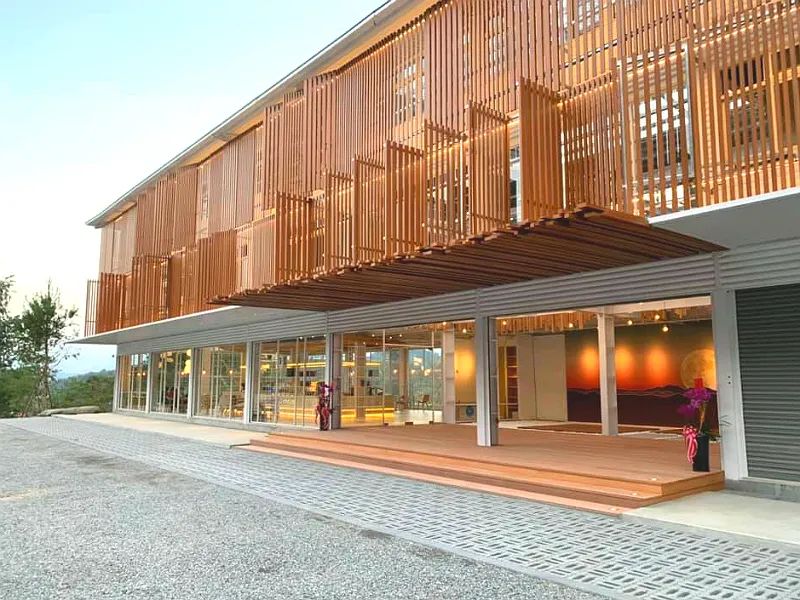
For example, there was a large coffee shop spanning several hundred to a thousand square meters, whose business strategy relied primarily on venue rentals and event hosting as the main sources of income, with coffee sales serving mainly as a way to attract foot traffic. The target customers were mostly corporate clients and groups. Due to its clear positioning, the interior decoration and spatial planning were quite refined. However, the upfront investment was also extremely high, including substantial rent, renovation costs, staffing expenses, and equipment purchases, totaling over 5 million yuan. Fortunately, thanks to a professional management team and sound operations, the shop broke even within just two years. However, with the outbreak of the pandemic, the store faced unprecedented challenges: forced to close for three months, during which rent and staff costs continued to accrue, and with government restrictions on gatherings, corporate event demand plummeted, causing revenue to nearly drop to zero.
Faced with the crisis, the owner tried to pivot to retail and online sales, including strengthening new product development, launching desserts and merchandise, and heavily promoting online orders. However, because the shop had primarily served corporate clients and lacked a base of individual customers, it ultimately couldn’t offset fixed expenses and had to cease operations. This case reminds us that even if the initial positioning is successful, when faced with drastic external changes, failing to establish diverse income streams and a stable customer base can infinitely magnify the risks.
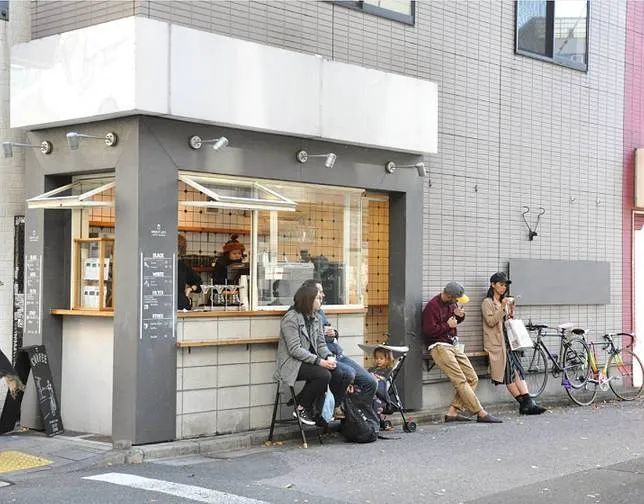
At the other extreme is a tiny delivery-only coffee shop tucked away in a deep alley. With just 15 square meters of floor space, a monthly rent of only 1,500 yuan, and run solely by the owner, the equipment and decor were kept simple and practical, with total upfront investment amounting to just about 15,000 yuan. On the surface, this minimalist model greatly lowers the barriers to entry, but in actual operation, it was found that due to the overly hidden location and lack of any online promotion or platform exposure, daily delivery orders were few and far between—most were either from the owner placing fake orders or support from friends. The revenue was simply not enough to cover delivery platform commissions, ingredient costs, and rent. Even though the owner persisted for two months, the shop eventually had to shut down.
This example highlights a common issue: while keeping initial investment low is important, neglecting basic market exposure and customer reach makes it difficult to sustain the business, no matter how low the costs are. The essence of a coffee shop is built on word-of-mouth and foot traffic—if there’s no stable customer base, even the best coffee will struggle to survive.
The final case is that of an extremely quality-focused specialty coffee shop. The owner had very high standards for every step of the coffee process—from bean selection and roasting, to grinding and brewing—and thus earned a certain level of praise within the local coffee community. However, due to relatively high pricing—30 yuan for an Americano, 40 yuan for a latte, and a starting price of 50 yuan for pour overs—most consumers found it hard to become regulars. Although the coffee quality was outstanding and met the needs of hardcore coffee enthusiasts, such prices were not affordable for the average consumer. Additionally, while the rent was somewhat manageable, the costs of high-quality equipment and ingredients drove up overall expenses. Coupled with the lack of delivery services, in-person visits sharply declined during the pandemic, and after holding on for a year, the shop eventually closed.
Taken together, these three cases show that running a coffee shop cannot rely on a single model or overly idealistic expectations. Whether choosing a large-space venue, a minimalist delivery-only model, or a high-end specialty route, one must make comprehensive considerations based on market demand, available resources, and risk tolerance. Successful coffee shop management requires not just passion, but also cool-headed strategy, flexible adaptability, and a deep understanding of the target clientele.
The above content is compiled by CoffeeHunters, a coffee news website.


