







Introduction:Beginners often wonder whether pour over coffee tastes bitter and how to detect subtle flavors like citrus and fruitiness. This article, based on professional sensory courses from the SCA, explains the scientific principle that flavor primarily comes from our sense of smell, and offers everyday training tips—such as building a taste map through fruit memory. With practical advice on comparing different types of citrus fruits side by side, it helps readers break through the bottleneck of “only tasting acidity and bitterness” and more accurately grasp the layered profile of pour over coffee.
Many first-time pour over enthusiasts often have two questions: What kind of flavor profile does this brewing method present? And is bitterness unavoidable? In fact, the composition of coffee flavor relies more on the olfactory system than one might think. According to research from the SCA (Specialty Coffee Association) Sensory Skills course, over 70% of the information we perceive about coffee flavor comes from the olfactory receptors in the nose, not the taste buds on the tongue.
“How do you taste lemon notes in this cup of coffee?” Such questions are common in coffee enthusiast circles. It’s worth noting that when we describe coffee as having characteristics like citrus, berries, or caramel, most of these actually come from volatile aromatic compounds transmitted through the nose. If you happen to have a cold and a stuffy nose, while you can still clearly perceive acidity or body, identifying the specific fruity sourness or sweetness becomes nearly impossible.
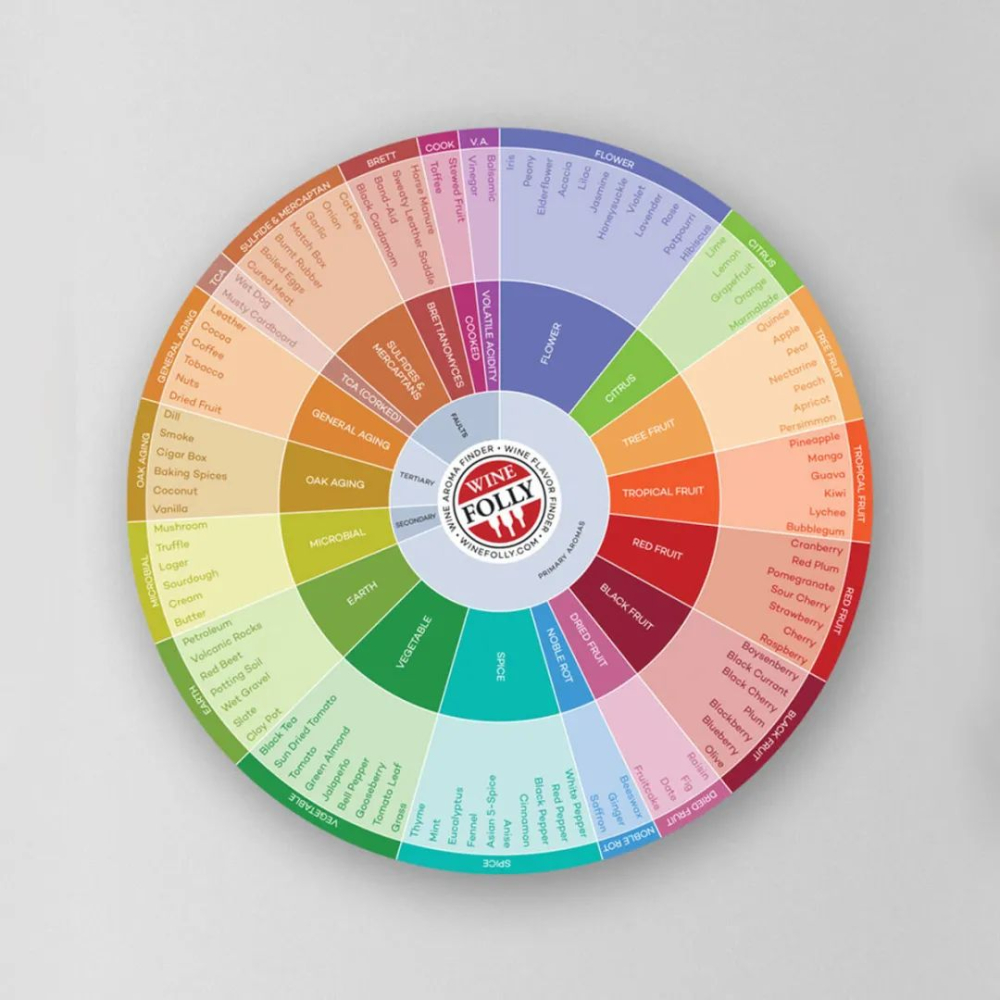
To develop the sensitivity to identify coffee flavors at any time, paying attention to your diet in daily life is crucial. It’s recommended that from now on, when eating, you pay special attention to the most prominent flavor characteristics of each ingredient—especially various fresh fruits, which can provide rich material for building a taste memory. A practical self-training method is to buy citrus fruits with similar flavor profiles at the same time, such as key lime, yellow lime, orange, mandarin, grapefruit, and pomelo, and compare their acidity levels, aroma types, and aftertaste differences one by one.
Experienced coffee tasters often use this kind of “fruit flavor map” to assist in judgment. For example, Ethiopian Yirgacheffe often exhibits bright lemon acidity and jasmine floral notes, while beans from Central and South America may have rounder tones like peach or red berries. These flavor expressions don’t appear out of nowhere; they require a sufficiently accumulated database of olfactory and taste experiences to make accurate matches.
As for the nutty or leathery aromas often found in wine, although their formation mechanism differs from that of coffee (this won’t be explored in depth here), they both highlight the dominant role of the sense of smell in evaluating beverage flavors. A special reminder: if you find that you can only distinguish between the two basic tastes of “acid” or “bitter,” consider temporarily reducing the intake of overly processed foods and returning to observing the natural flavors of unprocessed ingredients. This can help reset your taste sensitivity.
For beginners in the world of pour over, another common misconception is that bitterness necessarily indicates a failed brew. In reality, a moderate level of bitterness (mainly from caffeine and chlorogenic acid derivatives) is actually part of a balanced flavor profile—the key lies in whether it harmonizes with acidity and sweetness. By controlling grind size, water temperature (recommended range: 90–94°C), and brew time (usually 2–3 minutes), you can effectively adjust the extraction ratio of various flavor compounds.
During daily training, you can try using the same coffee beans with different brew parameters and record the flavor variations each time. For instance, increasing the water temperature may amplify bitterness and body, while lowering the temperature can help highlight the delicacy of acidity and aroma. Coupled with the previously mentioned fruit memory method, over time you’ll be able to establish your own flavor interpretation system.

The above content is compiled by CoffeeHunters, a coffee news website.


