







Introduction:Whether you're a beginner just getting into coffee or an enthusiast eager to dive deeper into roasting techniques, this reading list will provide you with a clear learning path. Covering everything from the basics of coffee knowledge, green bean processing, to pour over extraction and roasting science, this article has carefully selected a range of practical and professional books that span from beginner to advanced levels. It will help you systematically build your coffee knowledge system and enhance your overall tasting and brewing abilities.
For those of you who are just beginning to explore the world of coffee, have you ever felt at a loss, not knowing where to start learning? Or perhaps you’ve already developed an interest in coffee and want to delve into the principles of roasting and extraction techniques, but struggle to find a trustworthy book list? This article has specifically compiled a book recommendation list for coffee enthusiasts at different stages — from absolute beginners to professionals. The content covers key topics such as pour over extraction, coffee varieties, green bean processing, cupping and tasting, origin knowledge, and even roasting science. Whether you’re a newcomer or someone with some experience under your belt, you’ll be able to find reading material suited to your level.
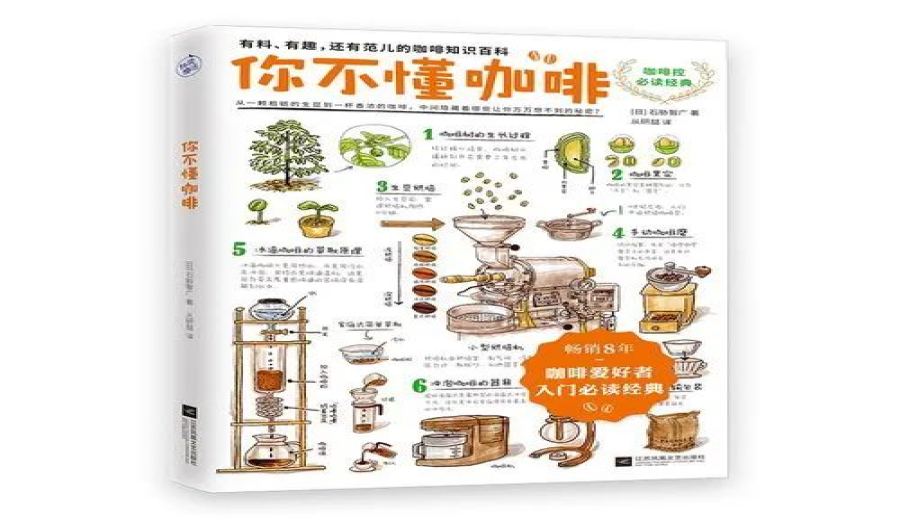
"The Coffee Book" is an extremely beginner-friendly introductory book for readers with absolutely no background in coffee. The author uses clear and simple language paired with lively illustrations to explain the entire journey of coffee from seed to cup in an approachable way. Through a question-and-answer format, the book addresses many common questions people have when learning about coffee — such as differences between coffee varieties, green bean processing methods, the impact of roasting stages, and basic extraction principles — making it a great choice for beginners looking to build foundational coffee knowledge.

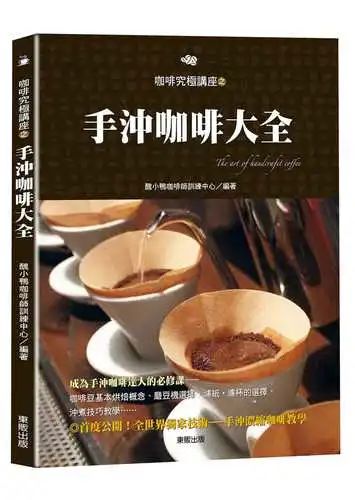
If you've just started trying to brew your own coffee via pour over,"The Ultimate Guide to Pour Over Coffee" will be a great helper in understanding the principles of extraction. This book focuses on the various variables involved in the pour over process, helping readers build their own brewing framework starting from theory. The content doesn’t just discuss filter dripper selection and operation steps, but also delves into how factors such as water temperature, coffee-to-water ratio, grind size, and brewing time affect the final flavor. It guides readers to observe and think critically, flexibly adjusting their brewing strategies to improve extraction consistency and quality.
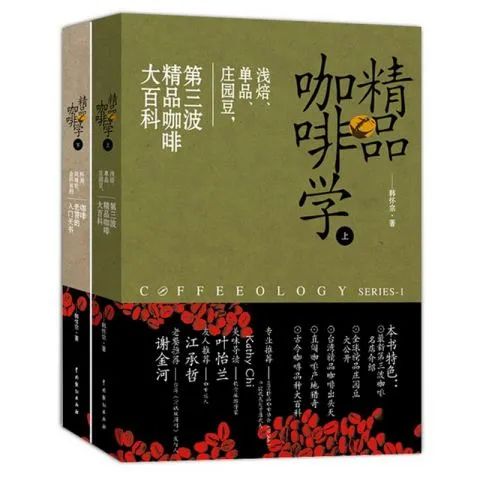
Once you’ve reached a more advanced level,"The Coffee Dictionary" in two volumes provides a more systematic and in-depth knowledge structure. The first volume focuses on introducing the history of coffee development, the evolution of the three coffee waves, major variety classifications, and global origin distributions. Although the text is quite dense, it is packed with information and is suitable for repeated reading and digestion. The second volume further explores coffee tasting techniques, cupping methods, the Golden Cup standard, as well as more detailed brewing methods, making it an ideal read for those who have grasped the basics and want to further enhance their tasting and brewing skills.
"The World Atlas of Coffee" is designed for readers who already have a basic understanding of coffee. Its content starts with coffee bean varieties and fully covers the entire process from green bean harvesting and processing, trading, to roasting, grinding, and brewing. In addition, the book details 35 major coffee-producing countries across three continents and their representative growing regions, making it an indispensable reference for understanding the terroir and characteristics of coffee from around the world. It’s perfect for consulting during study or tasting sessions.
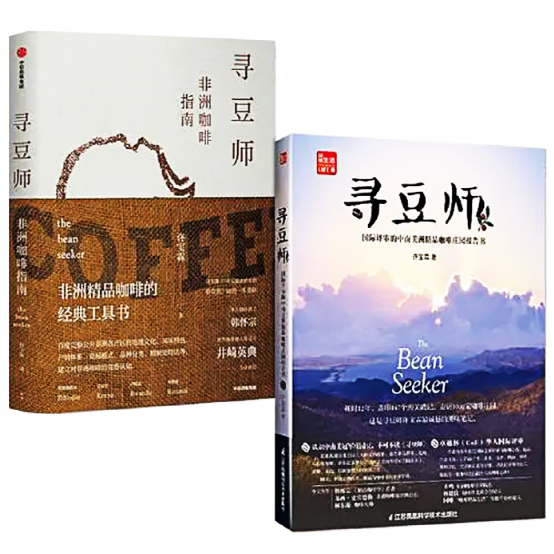
For seasoned enthusiasts or professionals looking to deeply understand coffee origins and green bean characteristics,"The Coffee Hunter" Volumes 1 and 2 offer invaluable first-hand experiences. This series not only documents the author’s personal journeys to Africa and Central and South America in search of beans, but also details the various coffee flavors encountered in different regions, as well as the cultivation and processing features of local farms. Volume 1 focuses on the author’s South American bean-hunting experiences and briefly introduces the COE competition, while Volume 2 turns to Africa, exploring the bean selection logic of international judges and the development trends of special processing methods. It’s an essential read for broadening your international perspective.
If you’re just stepping into the field of coffee roasting,"The Science of Green Coffee Purchasing" is a highly practical guide. The book is divided into three parts: first analyzing common problems and challenges in green bean purchasing, then thoroughly introducing the various stages of green bean processing — including cultivated varieties, processing methods, storage conditions, packaging methods, and how to identify defective beans. Finally, the book offers practical purchasing advice and strategies, sharing the author’s years of accumulated purchasing experience to help readers establish a systematic mindset for selecting green beans.
To further explore roasting techniques,"The Science of Coffee Roasting" provides in-depth and systematic knowledge for readers who already have a certain foundation in roasting. The book starts by discussing the physical structure of coffee beans and explains how to properly store green beans, then analyzes the impact of six common roasting methods on aroma and taste. It also details the key factors influencing roasting results, including heat distribution, roast batch size, temperature control, and time settings. Finally, the book presents three essential rules to follow during roasting and teaches readers how to optimize roasting profiles — making it an indispensable reference for professionals aiming to refine their roasting skills.
If the above books still don't satisfy your thirst for coffee knowledge, then this"Academic Guide to Coffee Production"(available only in English) is definitely worth a read. Acclaimed as the 'ultimate guide' among coffee books, it comprehensively covers coffee cultivation, processing, and sustainable production, making it suitable for growers, producers, traders, and related researchers looking to delve deep. Although it’s written entirely in English and is quite lengthy, its information density and academic value are extremely high. Reading it can both expand your knowledge and challenge the depth of your learning.

This nearly 6-centimeter-thick academic tome is not just a compilation of theories, but also a crucial reference for many coffee professionals in practical operations. No matter which part of the coffee industry you’re in, this book provides a solid knowledge base to help you understand every detail of coffee — from origin to cup — from a more comprehensive perspective.
The above content is compiled by CoffeeHunters, a coffee news website.


