







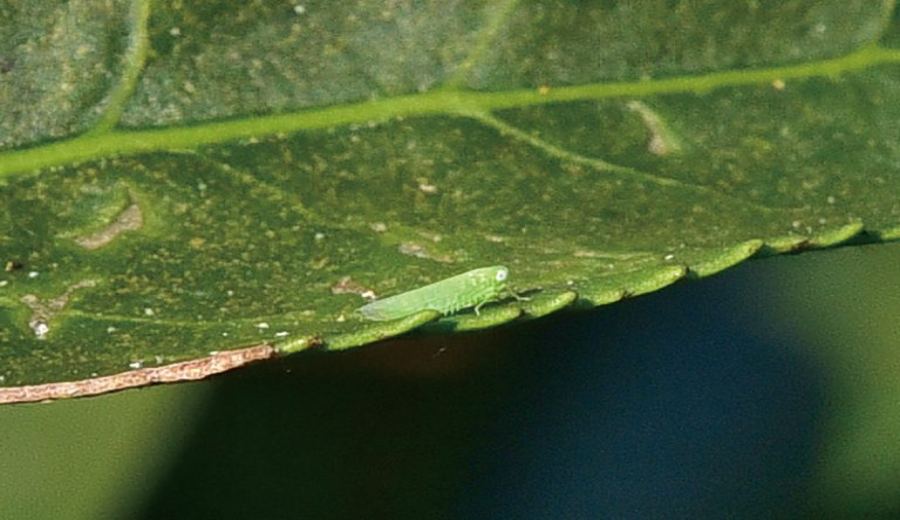
Introduction:Oriental Beauty tea, also known as Baihao Oolong or Five-Colored Tea, is one of Taiwan’s most iconic heavily fermented oolong teas. Its unique honeyed fruity aroma originates from bites by the tea green leafhopper on tender buds, followed by a refined heavy roast process. This article not only delves into the legend behind the tea and its quality characteristics, but also provides practical tips for both cold and hot brewing methods to help readers master the best flavor extraction techniques.
Oriental Beauty tea, scientifically known as Baihao Oolong, is a highly representative premium oolong tea from Taiwan. Due to its special processing method and fragrance, it is also referred to as Five-Colored Tea or Five Elements Tea. The most distinctive feature of this tea is its pronounced fruity-honey aroma, mellow taste, and enchanting amber-colored liquor. Unlike regular oolong teas, Oriental Beauty undergoes bites from the tea green leafhopper during its growth period, prompting the tea leaves to produce natural defense compounds, which later release a rich floral and fruity aroma during production.
The production process of this tea emphasizes heavy fermentation and heavy roasting, enabling full transformation of the tea's internal components and forming its unique intense aroma. Traditionally, tea farmers use the Qingxin Oolong variety, an indigenous small-leaf cultivar in Taiwan, for production, occasionally blending in small amounts of Baihao variety. However, overall, teas made from Qingxin Oolong exhibit the most outstanding aroma and complexity.
There are several interesting legends about the origin of the name "Oriental Beauty tea." One tale says that in the early days, a tea farmer processed summer tea leaves bitten by the tea green leafhopper into black tea and roasted them, then took them to market for sale. A Japanese tea merchant was so impressed by their rich aroma and sweet taste that he purchased the entire batch at a high price. When the farmer returned home and shared the story with neighbors, no one believed he had fetched such a good price. In Hakka dialect, "péng fēng" means to boast, hence the tea was nicknamed "Pengfeng Tea," which also became an affectionate local term for this variety.
Another more legendary story involves Queen Victoria of the United Kingdom. It is said that a century ago, a British tea merchant presented this tea to the queen, who was amazed by its unique black tea aroma and flower-like tea leaf appearance. She was also inspired by the tea's origin, "Formosa (Taiwan)," associating it with the beauty of the East, and thus named it "Oriental Beauty Tea." This name later became widely known in the Western world, and to this day, some still refer to this uniquely Taiwanese tea as Formosa Tea.
The reason Oriental Beauty tea is so precious lies not only in its complex production process, but also in the fact that the tea leaves rely on bites from the tea green leafhopper to develop their special flavor. As a result, it cannot be mass-produced and is almost pesticide-free, classifying it as a near-natural organically grown tea. When the tea green leafhopper bites the tender buds, the tea leaves secrete special substances for self-protection, which in turn create the naturally occurring honey and fruit aromas during the post-harvest processing. The finished tea leaves often have silvery-white fuzz on the buds, while the body of the leaf shows a mix of white, green, red, black, and yellow hues due to varying levels of fermentation and roasting, hence it is also called "Five-Colored Tea" or "Five Elements Tea."
In terms of brewing methods, Oriental Beauty tea is suitable for experiencing its different profiles through both hot and cold brewing. For hot brewing, it is recommended to re-boil water using an electric kettle, and once the steam subsides and the water temperature slightly drops but remains hot, pour it over the leaves to fully invigorate the tea aroma. The general recommendation for tea leaf quantity is3 to 5 grams, adjustable based on personal taste and teaware capacity. The hot water temperature should be around90 to 95°C, and the steeping time is approximately1 minutebefore pouring out the liquor. Those who prefer a stronger taste can slightly extend the brewing time.
If you prefer a refreshing taste or are drinking it in summer, cold brewing is a more suitable choice. For cold brewing, simply placeabout 3 grams of whole leaf teainto500cc of room temperature or cold water, let it sit in a room-temperature environment or refrigerator for about6 to 8 hoursbefore drinking. This method significantly reduces the bitter and astringent components of the tea, making the honey and fruit aromas more gentle, and is ideal for those who enjoy light and low-stimulation beverages. Additionally, cold-brewed tea can showcase the distinctive fresh floral and fruity flavors of Oriental Beauty, making it an excellent choice for hot summer days.
In summary, Oriental Beauty tea, with its unique production process, rare yield, and captivating layers of aroma, has become a treasure in Taiwan’s tea culture. Whether it’s the rich honey aroma released during hot brewing or the refreshing fruity notes after cold brewing, it offers a deep appreciation of the unique charm of Taiwan’s high-mountain oolongs. Familiarizing yourself with its brewing essentials allows for an effortless enjoyment of the diverse flavors of this five-colored tea.
The above content is compiled by CoffeeHunters, a coffee news website.


