







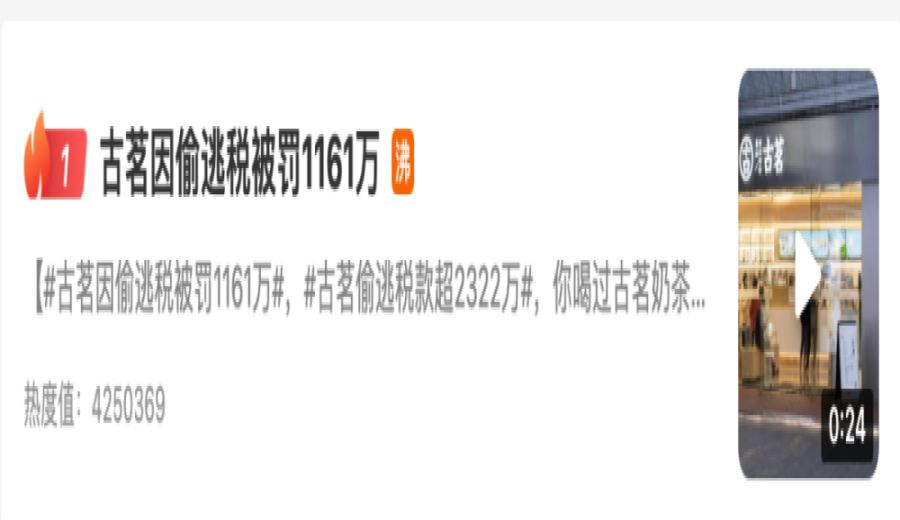
Introduction:The well-known tea beverage brand Guming was fined 11.61 million yuan for tax evasion, sparking widespread discussion among consumers. This article delves into the full story of the incident, including details of the fine, consumer reactions, and its impact on the brand’s image, while also exploring the importance of corporate compliance management. Through this case, readers can understand the critical role of tax compliance in the long-term development of a brand.
Recently, the popular tea beverage brand Guming was fined over 11.61 million yuan for tax evasion. The news quickly topped the Weibo hot search list, triggering heated discussions among many consumers. Many milk tea enthusiasts expressed shock and disappointment, with some even lamenting that the brand had “collapsed.” As a tea beverage brand with considerable market influence, the tax issues faced by Guming are not only substantial in amount but also reveal significant loopholes in the company’s compliance management.
After the incident came to light, social media was flooded with expressions of consumer dissatisfaction.“Guming, how could you do this? I spent so much money supporting you, and this is how you repay me?”,“The prices aren’t cheap, the discounts are few, and yet you still evade taxes — I just don’t get it…”Such comments reflect a breakdown in consumer trust in the brand. The fact that it topped the Weibo hot search list also led many milk tea lovers to exclaim, “Ah, my favorite brand has collapsed!” showing the strong emotional impact the incident had on the public.
According to the official report, Guming’s total tax evasion amounted to 23.22 million yuan, and the final fine imposed was 11.61 million yuan. This figure not only reflects the seriousness of the tax issue but also highlights major oversights in the company’s financial management and tax compliance.
This incident has not only affected Guming’s brand image but also served as a wake-up call for the entire tea beverage industry. Consumer trust in a brand is built on transparency and compliance. Once that trust is broken, it is extremely difficult to restore. As a well-known brand, Guming should have set an example in compliance management, but this incident exposed its shortcomings in this area.
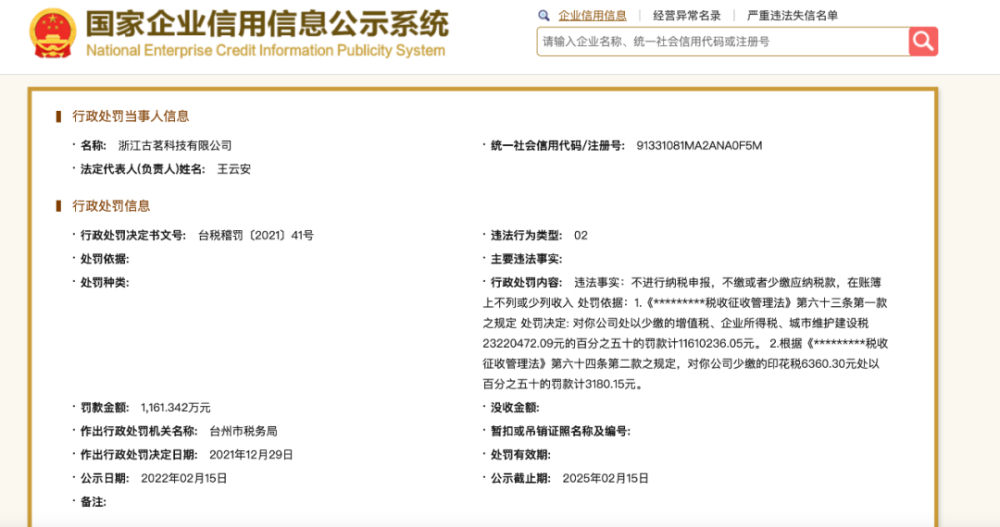 For consumers, this incident also serves as a reminder that when choosing a brand, they should not only focus on product quality and price but also consider the brand’s compliance and social responsibility. A responsible brand should not only deliver high-quality products but also maintain transparency and compliance in its management and operations.
 From an industry perspective, Guming’s incident has also prompted other tea beverage brands to re-examine their own compliance management. Tax compliance is not only a legal requirement but also a cornerstone for the long-term development of a business. Only brands built on a foundation of compliance can remain unbeaten in fierce market competition.
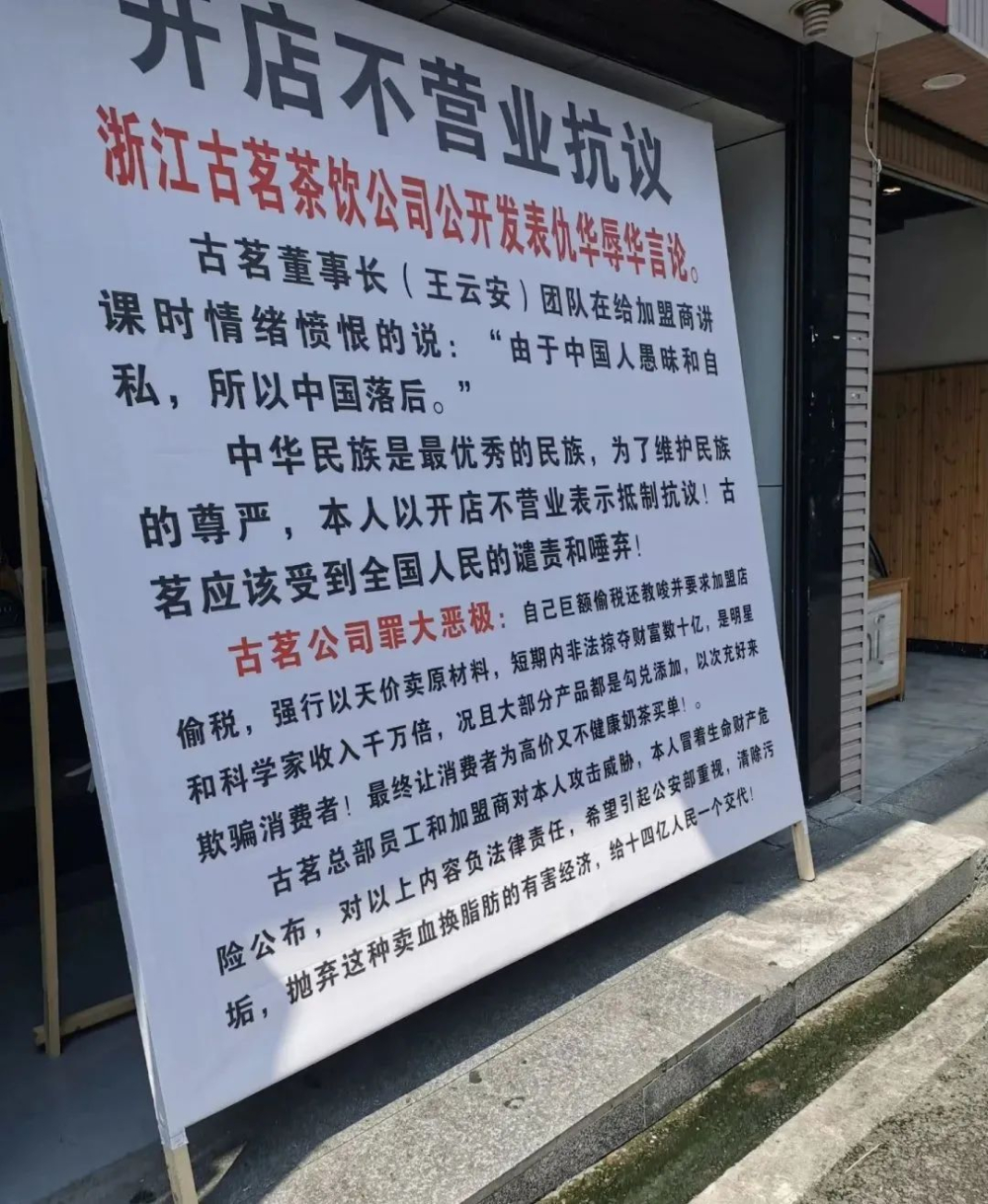 Currently, Guming has not issued any further statements regarding the matter, but it is foreseeable that this incident will have a profound impact on the brand’s future development. Rebuilding consumer trust will be the biggest challenge facing Guming.
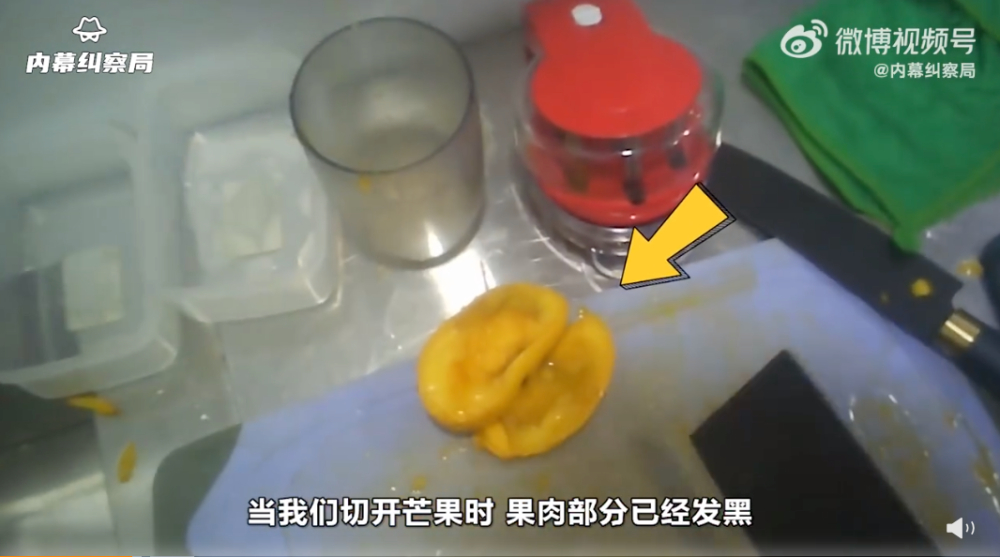 In summary, the incident where Guming was fined 11.61 million yuan for tax evasion is not just a simple tax issue, but also a profound lesson about corporate integrity and compliance management. For consumers, businesses, and the industry as a whole, this is a case worth reflecting on deeply.
The above content is compiled by CoffeeHunters, a coffee news website.


