







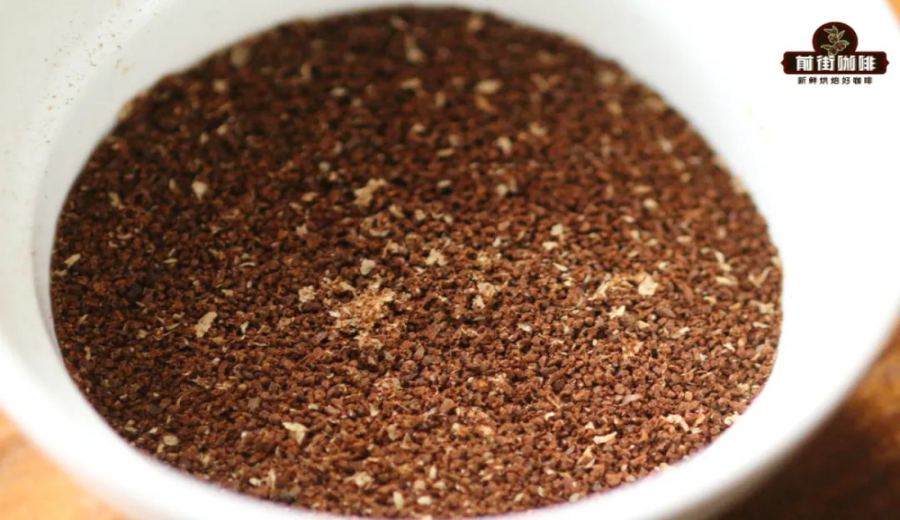
Introduction:When grinding coffee beans, it’s common to find yellowish-white fragments mixed in with the grounds. These are actually the silverskin, the outermost layer of the coffee bean. This article delves into the origin of silverskin, how different processing methods affect its residue, and through hands-on pour over tests, explores whether silverskin truly impacts coffee flavor—helping you better understand the nuances of brewing.
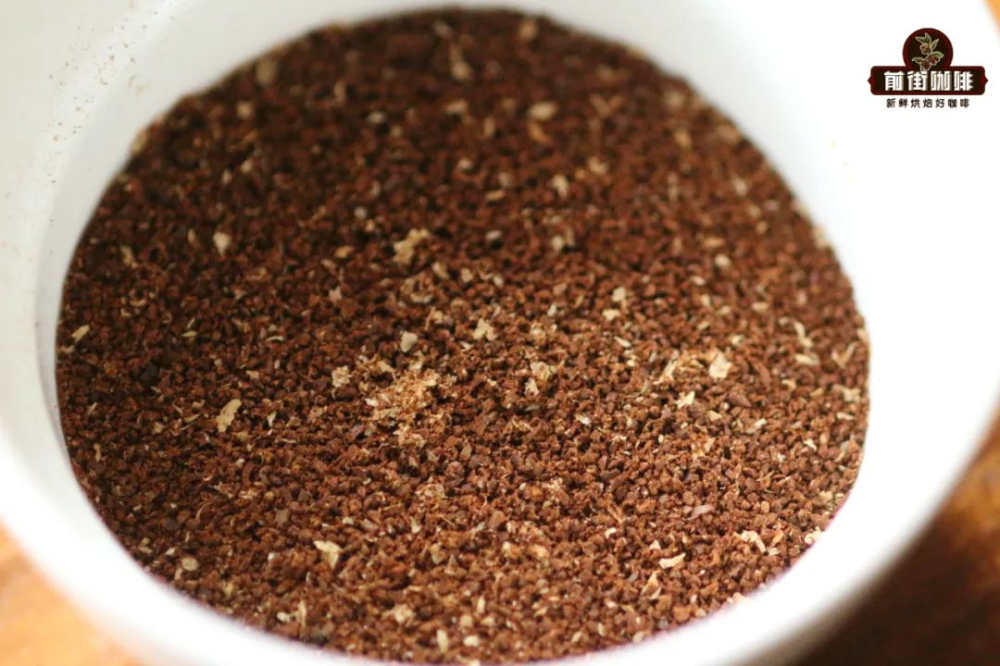
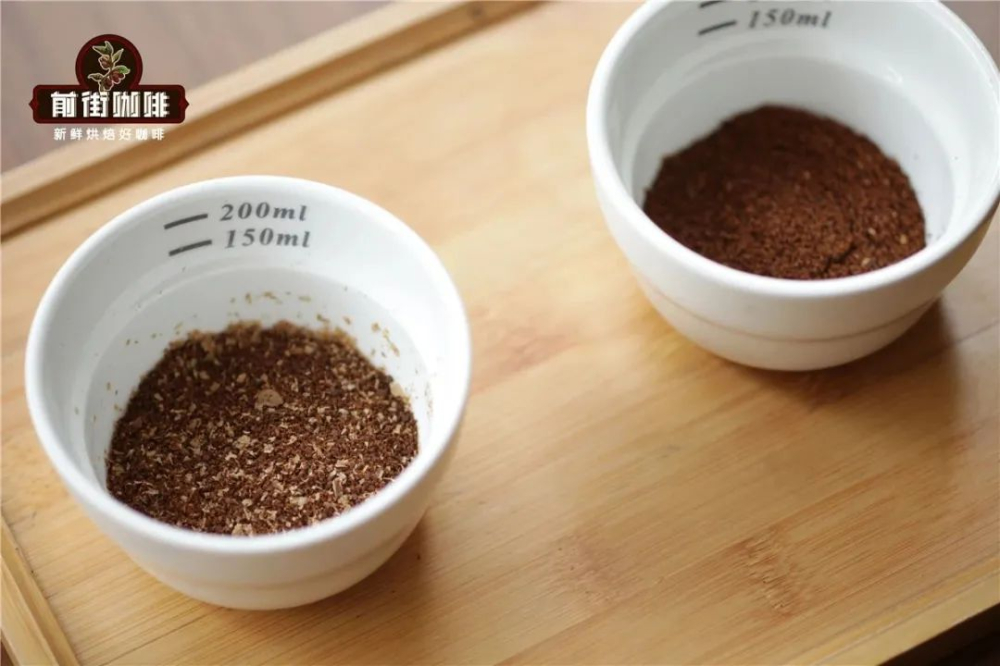
Many people notice small yellowish-white bits mixed in with their ground coffee. These are what we call "silverskin." Silverskin is the final protective layer of the green coffee bean, tightly attached to the bean’s surface. It doesn’t easily come off during the green bean stage but gradually separates during the roasting process.
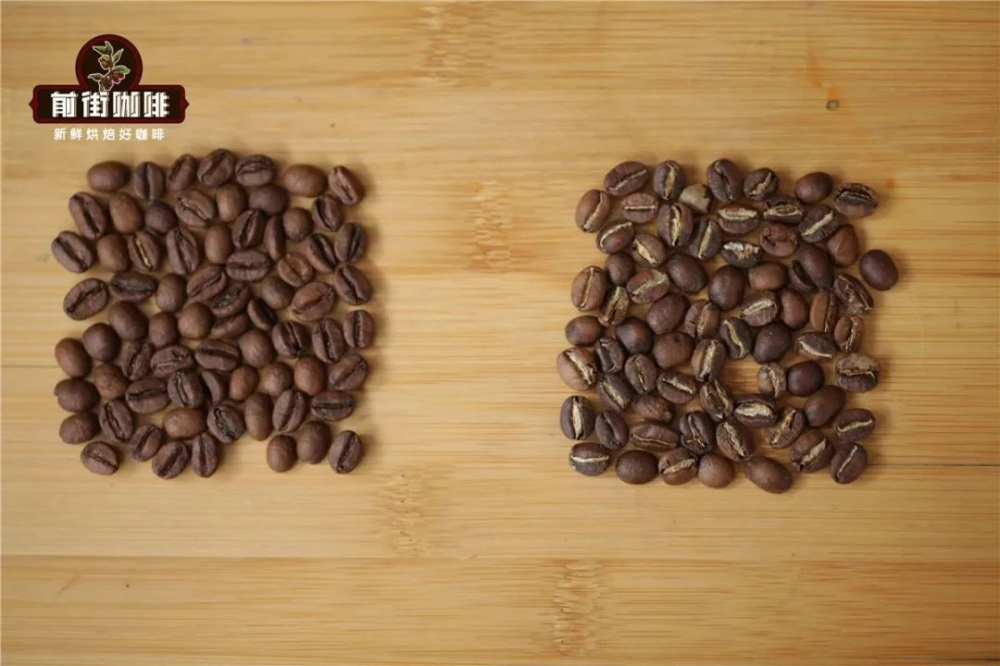
So why do some coffee grinds have a lot of silverskin flakes while others show almost none? The key lies in the coffee bean processing method. Generally speaking, naturally processed (sun-dried) coffee beans tend to shed their silverskin more completely during roasting, whereas washed processed beans often leave the silverskin fragmented, sometimes even leaving noticeable white lines along the bean seams.
Observing coffee beans processed by different methods reveals clear visual differences. Take sun-dried beans and washed beans as examples: the former usually have more complete silverskin shedding, leaving only minimal residue, while the latter often show a white line running through the middle of the bean—that’s the silverskin that didn’t fully detach. These differences aren’t due to roasting techniques, but rather the direct result of how the green beans were processed.
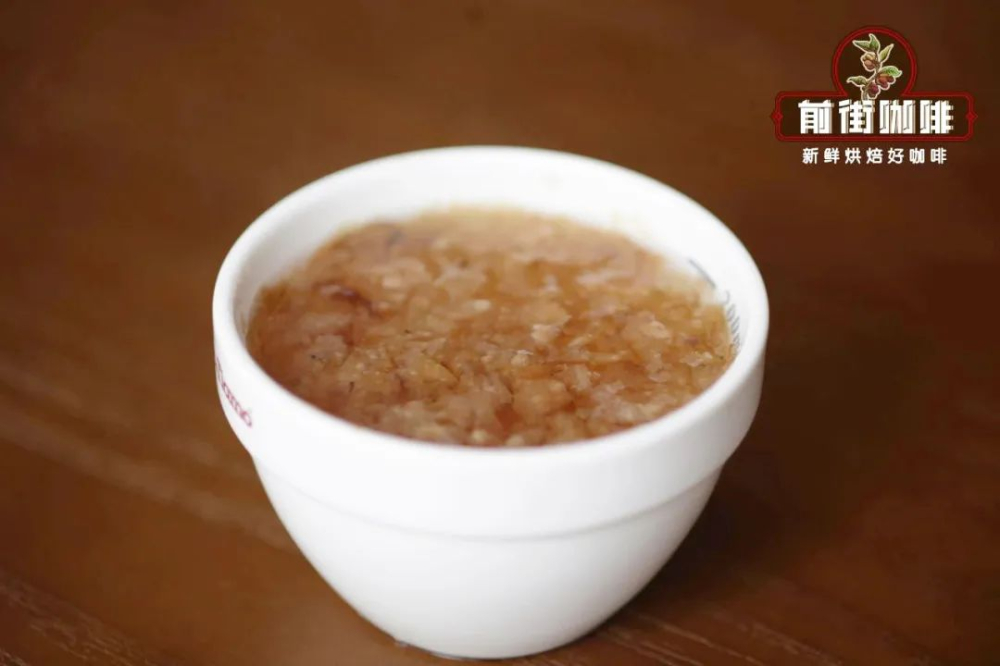
Some coffee enthusiasts worry: could these silverskin flakes affect the final coffee flavor? To test this, a team conducted a flavor test by steeping silverskin in water. The results showed that silverskin itself emits a naturally sweet aroma reminiscent of sweet corn and wheat, without any significant bitterness or other negative flavors.
Furthermore, they also performed a pour over experiment, brewing the same batch of coffee beans both with and without silverskin. Based on feedback from the tests, the flavor profiles of the two were nearly identical—there was no noticeable difference caused by the presence of silverskin. This indicates that the residual silverskin in everyday brewing has a very limited impact on the overall flavor expression of the coffee.
For most home or commercial brewing scenarios, the presence of silverskin is a normal occurrence and not a cause for concern. If you spot a small amount of yellowish-white fragments in your coffee grounds, they’re likely silverskin—you don’t need to worry about removing them, as they won’t interfere with the basic flavor of the coffee.
However, if you’re aiming for ultimate visual purity or are particularly attentive to control over brewing details, you can remove visible silverskin fragments before grinding. But doing so doesn’t significantly enhance flavor performance. In fact, many professional roasters and baristas don’t specifically deal with these silverskin flakes in their daily routines.
In summary, silverskin is part of the green coffee bean, and its residue largely depends on the processing method, not the roasting process. Sun-dried beans typically shed their silverskin more thoroughly, while washed beans are more prone to leaving behind white-line-like silverskin fragments. Practical testing shows that silverskin carries a naturally sweet, mild flavor, and whether it’s removed or not has minimal impact on the final extracted coffee flavor.
Understanding these details can give you more direction and confidence when selecting coffee beans or adjusting brewing methods, no longer puzzled by those yellowish-white fragments.
The above content is compiled by CoffeeHunters, a coffee news website.


