







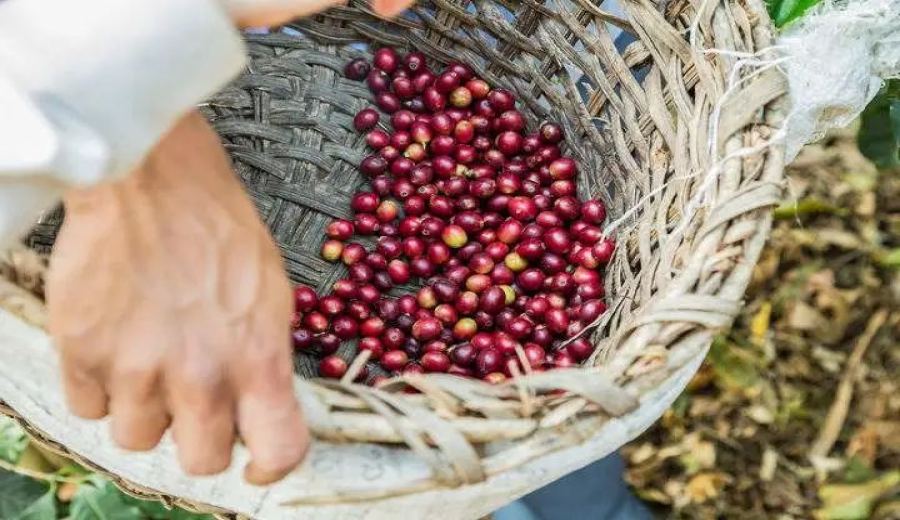
Introduction:As the dietary attitudes of China’s younger consumers evolve, coffee is no longer seen merely as an imported luxury beverage but has gradually become part of everyday life. From the rise of Yunnan coffee beans to innovative specialty drinks incorporating Chinese elements, what cultural contexts and innovation challenges lie behind this wave of "coffee localization"? This article delves into current market trends, analyzing the highlights and gaps in the cultural foundation of Chinese-style coffee, helping readers gain a more comprehensive understanding of the development trajectory and future potential of localized coffee.
In recent years, with the shifting consumption mindset of China’s younger generation and the convergence of global culinary cultures, the status of coffee in the domestic market has been steadily transforming. Once viewed as a niche luxury, coffee has now, driven by chain brands, become a mass-market everyday drink. Specialty coffee culture has also rapidly expanded with local influence, while Yunnan coffee beans—once little-known—have emerged as a focal point of the market. Accompanying this is a distinct trend of "Chinese-style" coffee—whether utilizing Chinese cooking techniques such as stewing, using tea bowls or clay pots as serving vessels, or incorporating traditional elements like youtiao (Chinese fried dough), Chinese crepes, rice wine, or Moutai into coffee beverages—all showcasing creative attempts to localize coffee.
However, is this seemingly vibrant wave of localization a deeply rooted cultural evolution or merely a fleeting trend? Many innovative coffee drinks, while visually and gustatorily striking in their presentation and pairings, often lack a solid cultural foundation and professional technical support. This article will explore the innovative facade and inherent shortcomings of Chinese-style coffee from multiple angles, reflecting on how coffee culture can truly take root in the Chinese market.
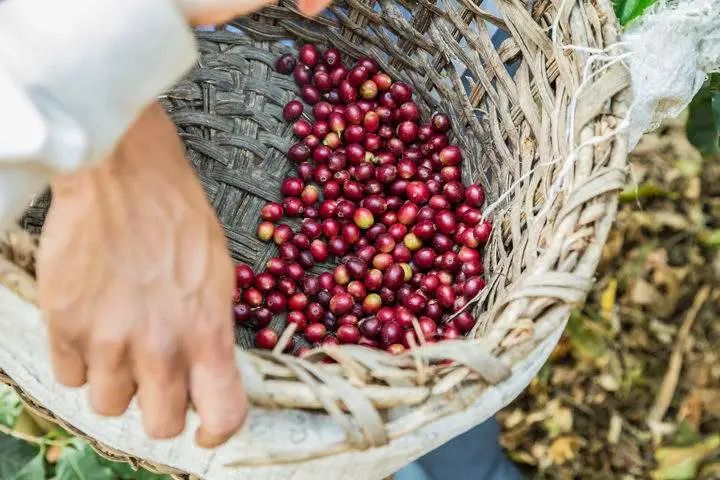
The increased acceptance of coffee among China’s younger population is closely linked to the rapid evolution of global food culture. In the past, coffee was often regarded as a foreigner’s privilege—expensive and reserved for specific occasions. But as chain brands have aggressively entered the market, coffee has shed its image as a luxury item and become more accessible. These brands have not only changed how coffee is positioned but have also redefined public perceptions of its value. The rise of specialty coffee, meanwhile, has been largely driven by local brands, which offer more approachable opportunities for consumers to explore diverse coffee flavors at lower thresholds. Against this backdrop, Yunnan coffee has moved from the margins to the mainstream, with more cafés and brands actively promoting beans from this region, giving rise to the concept of "Chinese-style" coffee.
Not only are the beans themselves receiving attention, but the methods of consumption and café space design have also become key aspects of localization. Brands are creating a series of creative specialty drinks by combining "guochao" (China-chic) trends and local culture to appeal to young people seeking novel experiences. Conventional coffee cocktails or single-origin offerings are no longer enough to satisfy market demand, prompting many businesses to turn to "neo-Chinese coffee," integrating Chinese cooking methods, traditional ingredients like youtiao and Chinese crepes, and even serving vessels such as tea bowls and clay pots to craft culturally resonant coffee drinks. This innovation is not just a taste experiment but also an extension of visual and cultural identity.
For example, coffee extraction techniques are no longer limited to traditional drip filtration, immersion, or pressure brewing—China’s traditional stewing method has also been applied to coffee making. Low-temperature slow stewing can fully release the layered flavors of the beans. As one industry insider put it: "Although Chinese people started drinking coffee later, we must have our own way." The emergence of this Chinese-style stewed coffee aims to provide a more locally distinctive way of enjoying coffee. In addition, the vessels used to serve coffee have expanded from common ceramic cups and mugs to tea bowls, clay pots, and even chicken bowl-style containers, creating a more everyday atmosphere. Café spaces are also designed with retro and nostalgic elements, using visual language to bring customers closer and make coffee part of daily life.
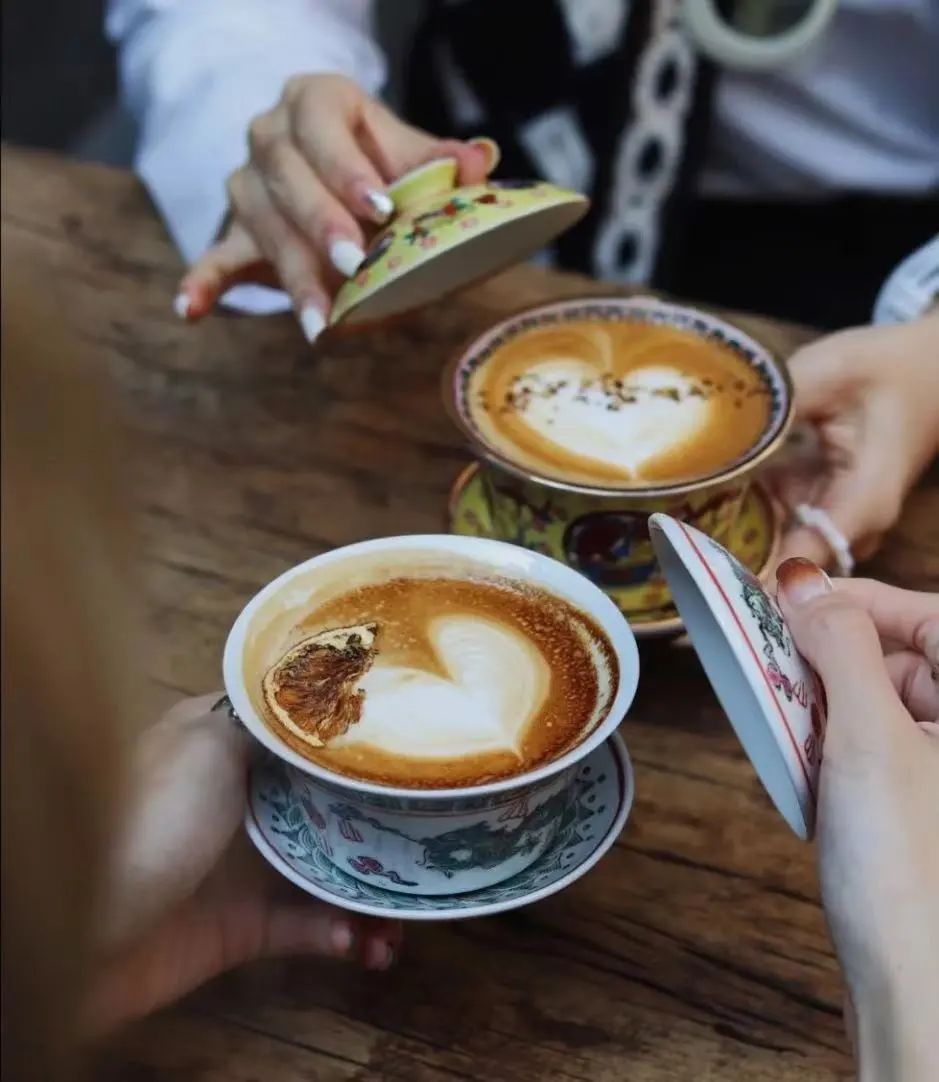
In terms of beverage pairings, Chinese-style coffee also shows rich creativity. Spain has churros with coffee, while China offers youtiao and Chinese crepes; Ireland popularizes whiskey coffee, whereas China introduces combinations like rice wine and Moutai coffee. Although these pairings may seem unusual, they leverage familiar flavor memories to reduce the psychological distance to coffee, further promoting its integration into local dietary culture. However, such innovations tend to lean more toward marketing tactics, capable of attracting attention in the short term but unlikely to form a stable cultural foundation.
It is worth noting that although "Chinese-style" coffee is diverse and creative in form, most have yet to establish a true technical or cultural school. Many innovations are merely immediate responses to market demands, lacking deep cultural meaning and professional technical backing. These drinks may be visually and gustatorily stunning, yet often overlook the intrinsic flavor characteristics of the coffee itself. For instance, while Yunnan coffee has garnered market attention, consumers often focus more on its "packaging" and "story" rather than the bean’s quality and flavor complexity.
The charm of coffee should come from its unique flavors and diverse brewing methods, not just external packaging and creative combinations. If a cup of coffee fails to move people with its taste and aroma, no amount of lavish appearance will help it stand the test of time in the market. Therefore, for consumers who wish to truly understand coffee, focusing on the origin of the beans, processing methods, roast levels, and brewing parameters is key to appreciating coffee.
In summary, "Chinese-style" coffee may not yet form a complete and widely recognized school, but it has indeed provided more possibilities for the popularization of coffee culture in the domestic market. Whether viewing coffee as an everyday drink akin to tea or infusing it with the innovative energy of modern tea beverages, this trend has encouraged more people to engage with and try coffee. Only by finding a balance between innovation and tradition, and emphasizing the quality and flavor of the coffee itself, can this imported beverage truly take root in the Chinese world and develop its own cultural identity.
The above content is compiled by CoffeeHunters, a coffee news website.


