







Introduction:Choosing the right coffee beans for pour over can be confusing for beginners, especially when faced with numerous origins and roast styles. This article starts with basic classifications, analyzing the core differences between espresso beans and single-origin beans, then dives into the flavor profiles of seven regional everyday beans. Paired with practical brewing tips, it helps you find vibrant yet approachable daily beans—whether you're just starting out or drinking coffee every day.
Walk into a café or browse an online store, and the dazzling array of coffee beans on the shelves can be overwhelming—so which ones are actually suitable for pour over? To understand this, we need to start with the two main types of commercially available coffee beans.
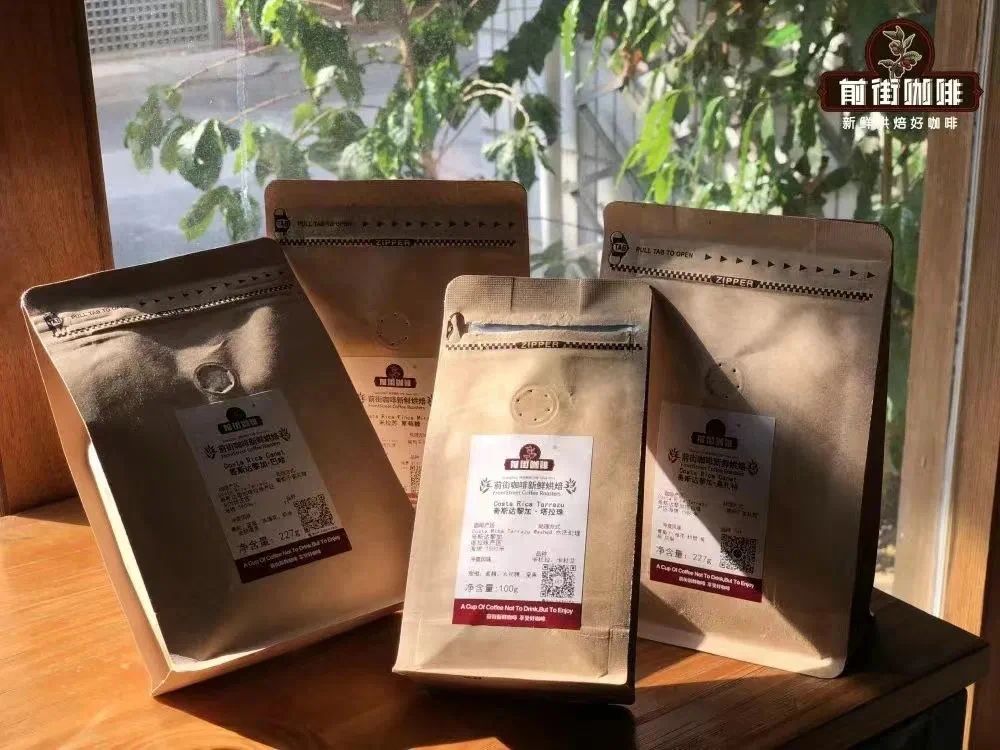
Currently, the most common coffee beans on the market fall into two categories: one is blended beans designed for espresso machines, usually packaged in large quantities of 1 pound (about 454 grams) or 1 kilogram, emphasizing the rich, creamy taste of milk-based drinks like espresso and lattes; the other is single-origin beans clearly labeled by origin. These beans are typically brewed using methods like pour over or French press, with package sizes usually no more than half a pound (about 227 grams), better showcasing the unique terroir of a single region.
A closer look at e-commerce platforms reveals that espresso beans are generally priced lower than single-origin beans. As a result, many coffee newcomers tend to unconsciously prioritize "low price" as their main buying criterion, overlooking the match between flavor profile and intended use.
In fact, if you want to experience the layered flavors and regional characteristics of pour over coffee, choosing the right single-origin beans is key. And to find the right everyday beans for yourself, it’s important to first understand the flavor characteristics of different regions.
Next, we’ll focus on everyday-grade single-origin beans from seven common regions, analyzing their flavor profiles, recommended grind sizes, and brewing parameters, so you can easily find vibrant yet approachable daily beans.
These regional beans are not only suitable for beginners practicing pour over techniques but also offer great value for seasoned coffee drinkers in everyday use. From balanced acidity and sweetness to rich aftertastes, each has its own unique personality. With the right brewing method, you can enjoy café-level flavor experiences at home.
First, it’s important to note that the flavor of single-origin beans is greatly influenced by altitude, processing method, and roast level. For example, beans grown at high altitudes have higher density and require slightly finer grind and slightly higher water temperature for full extraction; washed beans usually have bright acidity, suitable for those who prefer a fresh taste; naturally processed beans often carry intense fruitiness and sweetness.
When brewing, beginners are advised to start with a coffee-to-water ratio of 1:15 to 1:16, keeping the water temperature between 90-93°C, and maintaining a steady pouring speed to avoid over-extraction (which leads to bitterness) or under-extraction (which results in sourness).
Remember, flavor descriptions are just references—the actual experience may vary based on personal taste preferences. Feel free to try beans from different regions to find the one that best suits your palate.
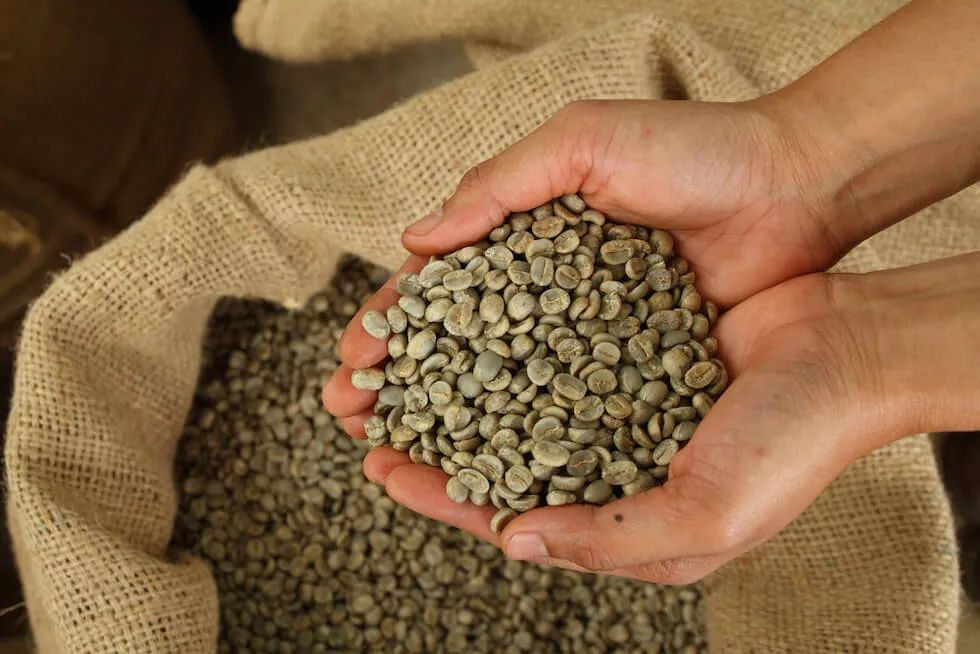
When selecting pour over beans, in addition to considering the origin, also pay attention to the roast date—freshly roasted beans (usually within 2-4 weeks post-roast) have the most vibrant flavors. If the packaging indicates a "best-before date" rather than a "roast date," the beans may have been stored for some time and should be considered with caution.
Finally, remember that the charm of pour over coffee lies in its adjustability. The same beans, with slight tweaks to grind size, water temperature, or pouring rhythm, can yield completely different flavor profiles. Stay open-minded, and keep track of each brew’s parameters and your impressions—you’ll gradually discover your own perfect formula.
The above content is compiled by CoffeeHunters, a coffee news website.


