







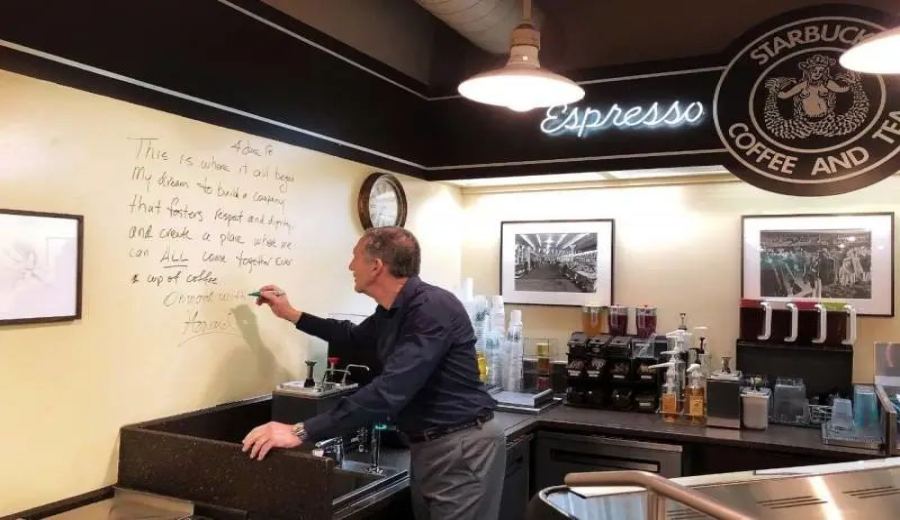
Introduction:Starbucks founder Howard Schultz has once again taken on the role of CEO, facing union protests, food safety controversies in China, and a crisis of brand credibility. This article provides an in-depth analysis of the transformation strategy he proposed at the 2022 shareholders' meeting, including plans to roll out the Clover Vertica brewing system in all U.S. company-operated stores by 2025, expansion plans for cold brews and plant-based milk drinks, and strategies for breaking through amid intensifying competition in the Chinese market.
At the 2022 annual shareholders’ meeting, Starbucks announced a major leadership change, with founder Howard Schultz returning to the CEO position just before current CEO Kevin Johnson’s retirement. At that time, Starbucks was grappling with multiple challenges: ongoing unionization efforts in the U.S., damage to its brand image in China due to food safety incidents and a controversy involving the removal of police officers, as well as supply chain and cost pressures stemming from rapid store expansion.
The “Coffee Dad,” who once led Starbucks from a financial crisis to become the world’s largest coffee chain, now faces a critical period of transformation. The strategy unveiled at the shareholder meeting covers equipment upgrades, beverage innovation, employee benefits adjustments, and global expansion plans, aiming to stabilize the situation within six months and lay the foundation for long-term development.
In terms of equipment, Starbucks has introduced the new Clover Vertica brewing machine and continues to promote the Matrena II espresso machine. Since March 2022, the Clover Vertica has been piloted in select stores in Minneapolis, at Starbucks Reserve Roasteries, and in flagship locations.The plan is to fully equip all U.S. company-operated stores with it by 2025.This brewing machine is known for its precise water temperature control and even extraction, which can enhance the flavor complexity of single-origin coffees, making it especially appealing to quality-conscious consumers.
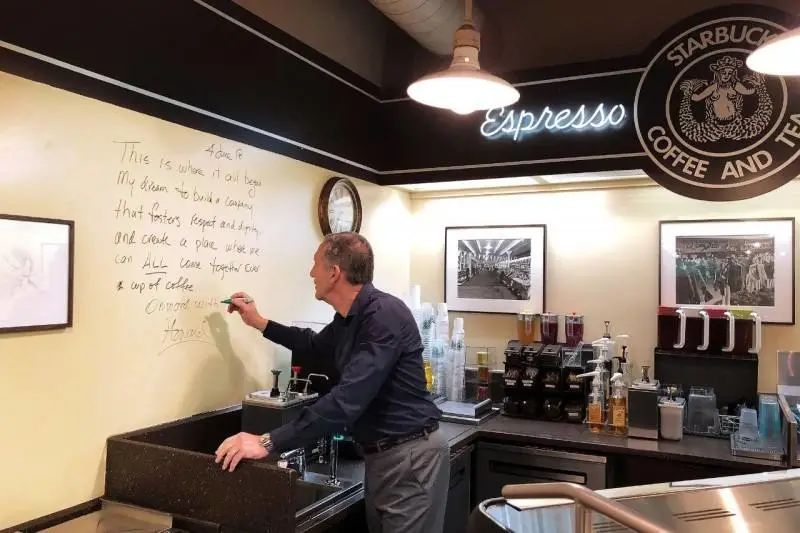
For beverages, Starbucks is focusing on two key growth areas: cold brews and plant-based products. Data shows that cold drinks account for about 70% of Starbucks’ global beverage sales, a proportion that has increased by 20 percentage points over the past three years. In addition to optimizing existing iced coffee recipes, the brand is also accelerating the development of alternative dairy options such as oat milk and soy milk to meet diverse dietary needs.
In terms of employee benefits, Starbucks has committed to investing $1 billion over the next 18 months, including an average wage increase of 17%. It is expected that starting salaries in the summer of 2022 will range from $15 to $23 per hour, with employees who have served for two and five years receiving annual raises of 5% and 10%, respectively. Additionally, the company plans to expand its recruitment team by adding more than 70 dedicated staff and aims to hire 5,000 new partners each week to alleviate global staffing shortages.
The goal is to expand the number of stores globally to over 55,000 by 2030. However, the most pressing challenge currently comes from the Chinese market — the region that accounts for the second-largest share of Starbucks’ global revenue and is now facing fierce competition from local coffee brands and new-style tea drinks. A series of recent negative incidents has also heightened public pressure with slogans like “get out of China,” putting the brand’s once-premium image to a severe test.
Notably, Starbucks announced that it will finalize the selection of a new CEO this fall, meaning Schultz’s reform window may be limited to just six months. Within this crucial period, whether he can effectively integrate new equipment, adjust the product mix, and rebuild trust in the Chinese market will directly impact the brand’s trajectory over the next decade.
The above content is compiled by CoffeeHunters, a coffee news website.


