







Introduction:With over 7,000 cafés, Shanghai has become the city with the highest number of coffee shops in the world. This phenomenon reflects how coffee has transitioned from a once foreign import to an integral part of local daily life. Through online trends, historical context, and actual consumer data, this article explores how coffee culture has taken root in Shanghai and examines the deeper significance of coffee as a daily ritual for urban dwellers.
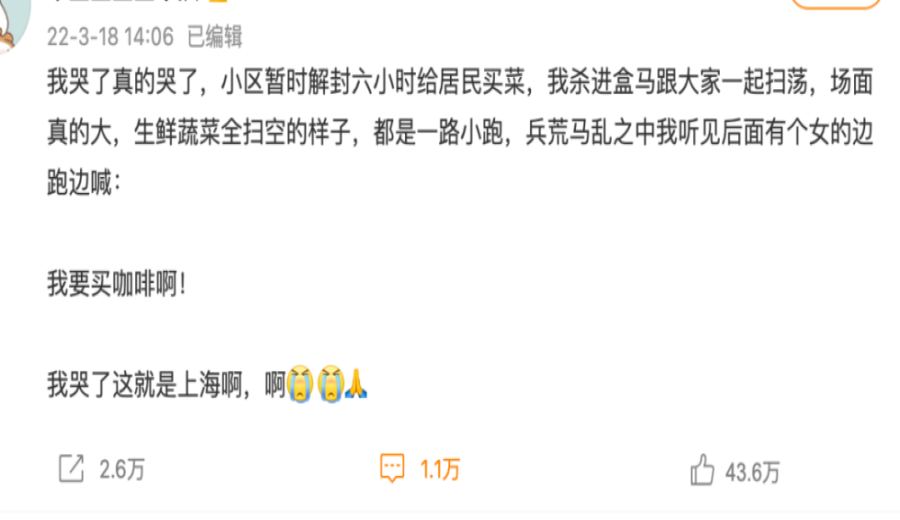
"Oh no, I didn’t prepare—I have no coffee to drink!" This seemingly ordinary complaint unexpectedly struck a chord with netizens in Shanghai. A trending Weibo post revealed that many residents consider coffee an indispensable part of their daily routine, even likening the absence of it to losing a certain drive in life. This phenomenon not only showcases the love Shanghainese have for coffee but also highlights how deeply embedded it has become in the city’s everyday rhythm.
The post quickly shot up the trending charts, drawing a wave of responses. Some commented, "Whenever I get the chance to go out, the first thing I do is rush to buy coffee!" or "Food can be anything, but coffee is absolutely non-negotiable!" While these remarks may represent just a slice of personal opinion, they are enough to illustrate the special status coffee holds in the hearts of Shanghainese.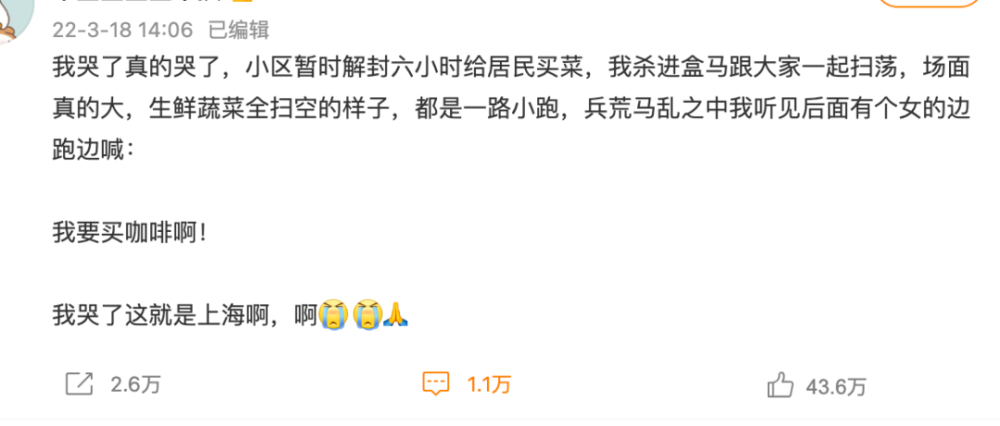
In fact, the density of cafés in Shanghai is astonishing. According to statistics from Rising Lab, a research institute under Shanghai-based media group Yicai, by the end of 2021, Shanghai had surpassed 7,000 coffee shops, ranking first among cities worldwide. Calculated by permanent population, the average annual coffee consumption per person in Shanghai exceeds 20 cups—though this figure is based solely on café sales and does not include convenience stores, offices, or other consumption scenarios, it still carries reference value.
But is the Shanghainese love for coffee really as universal as netizens claim? A local Shanghainese blogger demonstrated through video the actual attitudes of most citizens—coffee is more akin to a long-cultivated habit than a deliberately pursued specialty experience.
Looking back at history, the popularization of coffee in Shanghai dates back to the Republican era. At that time, the upper class in Shanghai had already begun to embrace coffee drinking, and many cafés operated by Chinese could be found in bustling districts. By the 1960s, with the emergence of vacuum-packed coffee powder, coffee gradually entered ordinary households, becoming part of everyday life. This habit has continued to this day and has even become a cultural memory for many Shanghai families.
It’s worth noting that the development of coffee culture in Shanghai is not confined to the realms of “specialty” or “pour over.” For most residents, ready-to-drink coffee, instant coffee, and even drip bags are all fast ways to get an energy boost in daily life. To them, coffee is not just a beverage but also a ritual for shifting states—whether it’s waking up the body and mind in the morning or re-energizing in the afternoon, a cup of coffee can bring about a noticeable change.
This Weibo trend also prompted interactive responses from several coffee brands. Hema (Freshippo) officials replied to the original poster: "Ah, we’ll stock up on more coffee then." Luckin Coffee directly asked, "Where do you live, miss? If you’re nearby, we’ll deliver some over for you haha," while Ruixing Coffee humorously responded: "We’re late. But better late than never." These interactions not only show the brands’ sensitivity to market feedback but also indirectly confirm the vibrancy of Shanghai’s coffee market.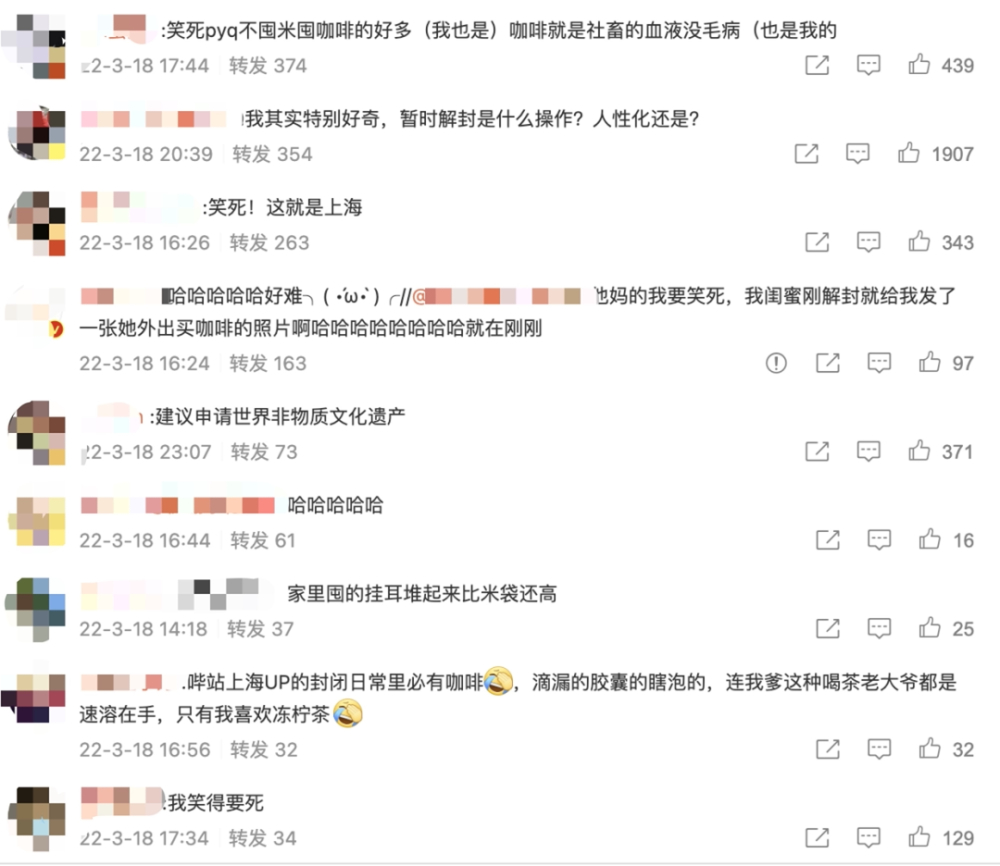
Witty comments from netizens added humor to the discussion. For instance, "Half of a Shanghainese’s blood is coffee, the other half is Bright Dairy!" While said in jest, this phrase reflects the blending trend between local Shanghai brands and coffee culture. In the past, Bright Dairy milk was mostly consumed directly, but today it is often used as the base for coffee drinks like lattes, showing local consumers’ openness to innovative brewing styles.
Compared to other regions, Shanghai’s coffee culture shows clear distinctions. For example, if you tell a friend from Guangdong you’re feeling tired, they might suggest drinking herbal tea or a dampness-expelling soup—or even getting cupping or gua sha. But if you say the same to someone in Shanghai, they’re more likely to advise going to a café for a cup of coffee to recharge through a moment of solitude. This cultural difference also makes Shanghai’s cafés not just places for beverage consumption, but vital spaces for urbanites to regulate themselves.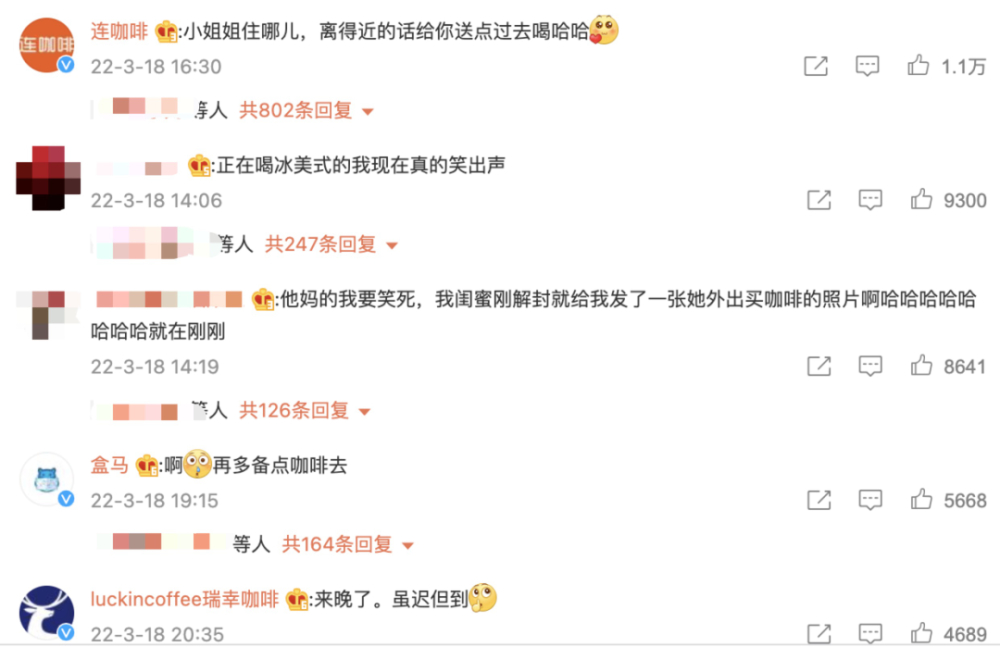
In summary, the reason Shanghai has become the city with the most cafés in the world is not only due to its vast consumer market but also rooted in long-term historical accumulation and the cultivation of citizen habits. From the upper-class social scene of the Republican era, to mass popularity in the 1960s, to today’s diverse consumption settings, coffee has long become an inseparable part of Shanghai’s urban culture. For many Shanghainese, coffee is not just a drink but a daily ritual and a source of mental energy.

The above content is compiled by CoffeeHunters, a coffee news website.


