








Introduction:Have you ever experienced a rough sensation while drinking pour over coffee that feels like chewing grape skins? This is actually caused by bitterness or astringency in the coffee, often resulting from over-extraction or insufficient sweetness. This article delves into the three main sources of green or bitter astringency in pour over coffee—bean quality, roasting techniques, and brewing methods—and provides specific improvement suggestions for each stage. It also recommends several high-quality coffee beans that have been tested to minimize astringency, helping you brew smoother and richer coffee flavors.
A satisfying cup of pour over coffee should showcase a balanced acidity, sweetness, and bitterness, along with a silky mouthfeel. However, some people may detect a rough sensation similar to chewing grape skins or tasting underripe fruit when sipping—this is what we commonly refer to as "astringency." Although not a traditional taste in the strict sense, this sensation greatly affects the overall drinking experience.
In reality, this uncomfortable mouthfeel mainly comes from certain chemical compounds in coffee beans, particularly "dicaffeoylquinic acid" formed during roasting from chlorogenic acids, as well as acidic substances like "tartaric acid." When these components are overly released during brewing and not balanced by sufficient sweetness, the coffee can taste noticeably green or bitter.

To address astringency in pour over coffee, we need to focus on three key factors: the quality of the green beans, the roasting temperature and time control, and finally, the brewing technique and parameter settings. Mastering the essentials of these stages can effectively reduce or even prevent unpleasant astringent sensations in your coffee.
First, the quality of the green beans is crucial. If the beans contain too many unripe ones—often called "green beans" or "half-ripe beans"—these immature beans have higher levels of chlorogenic acids, which convert into more "dicaffeoylquinic acid" after roasting. This not only makes the coffee flavor thinner but also tends to produce noticeable astringency. In fact, many renowned coffee-growing regions insist on harvesting only fully red cherries to ensure basic coffee quality. For consumers, choosing reputable brands usually avoids such issues, as most professional green bean suppliers and roasters conduct strict screening. Unripe beans and normal beans show clear color differences after roasting, which are relatively easy to identify with the naked eye.
Secondly, the roasting process directly impacts the final flavor of the coffee. Common problems include "insufficient drying phase time," where the bean surface has changed color but the core remains under-roasted. Such beans tend to release excessive astringent substances during brewing. Generally, experienced roasters adjust the roasting profile based on bean variety characteristics and perform multiple cuppings before the roast is finalized to ensure flavor balance. Therefore, choosing a stable and experienced roasting brand can fundamentally reduce the likelihood of astringency.
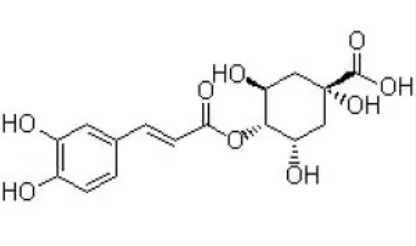
Lastly, and perhaps the most controllable factor—the pour over brewing technique. Under-extraction prevents the full release of sweet compounds in the coffee, easily leading to a green or astringent taste. In this case, observe the extraction time—if it’s consistently under 1 minute and 40 seconds, it usually indicates insufficient contact time between coffee and water. You can try using a finer grind to extend the extraction time. Conversely, if the extraction time exceeds 2 minutes and 30 seconds, it may lead to excessive release of "dicaffeoylquinic acid," resulting in noticeable bitterness and a dry throat sensation. This could be due to the grind being too fine, water flow too slow causing channeling, or water temperature being too high, accelerating the release of undesirable compounds. It’s recommended to keep the water temperature between 90–93°C, adjusting slightly based on bean variety and roast level to find the optimal extraction balance.
Overall, to enjoy a smooth, well-balanced pour over coffee without astringency, the key lies in precise control at every step—from bean selection and roasting to brewing. Beyond paying attention to operational details, you can also prioritize coffee beans that have been market-tested and whose flavor descriptions emphasize "rich body," "low acidity and smoothness," or "pronounced sweetness." These beans are usually well-processed and have a lower chance of astringency, making them more suitable for beginners or everyday drinking.
The above content is compiled by CoffeeHunters, a coffee news website.


