







Introduction:During the pandemic, universities implemented closed-campus management, cutting off post-00s students from off-campus coffee shops. Unexpectedly, this gave rise to a new trend: "dormitory coffee shops." From instant coffee to creative specialty drinks, how are these young people crafting their own coffee corners in such limited environments? This article delves into the origins, characteristics, and underlying legal and hygiene concerns of this campus coffee craze, while offering practical advice to help readers better understand lockdown-era coffee culture and safety precautions.
Amid the recurring waves of the pandemic, many universities initiated closed-campus measures, forcibly disconnecting post-00s college students from off-campus coffee shops. However, this did not dampen their passion for coffee—in fact, it sparked an entrepreneurial wave of "dormitory coffee shops." On social media platforms, from simple instant coffee powder to trendy drinks like coconut latte and iced orange Americano, these student-made creative coffee beverages have garnered significant attention and interaction.
In March this year, as college students gradually returned to campus and resumed communal life, coffee became a daily necessity for many young people. It can be said that the reliance on coffee among post-00s students has gradually reached levels comparable to that of post-90s office workers. Under lockdown conditions, they began seeking various ways to satisfy their "coffee cravings," and the "dormitory coffee shop" emerged as one innovative response.
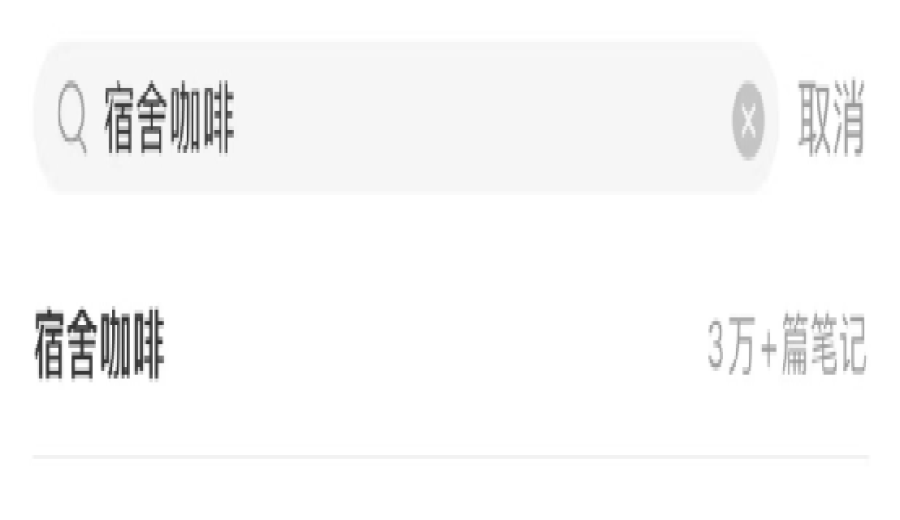
A search for "dormitory coffee" on popular social platforms yields over 30,000 related posts. These include students sharing how to make coffee in cramped dorm spaces, with some even publicly detailing recipes and procedures, sparking widespread resonance and imitation. Many of these posts have impressive engagement metrics, with some accumulating over 5,000 likes.
Due to pandemic resurgences, universities enforced closed-campus policies to protect the health of students and faculty, preventing students from visiting off-campus coffee shops. Under these restrictions, many turned to DIY methods, making coffee in their dorms. However, dorm environments generally have limited equipment, and most schools prohibit high-power appliances—even basic electric kettles and rice cookers are regulated, let alone professional coffee machines or grinders.
Despite this, it did not stop the birth of "dormitory coffee shops." Unable to use professional equipment, many students opted to use instant coffee powder as a base, mixing it with hot water to prepare simple coffee. Although such drinks are far from the flavor profiles of those served in professional coffee shops, being able to enjoy a caffeinated beverage during lockdown was already a rare treat.
According to multiple shared posts, the most popular self-made coffee drinks in dorms currently include creative specials like coconut latte and iced orange Americano. These drinks draw inspiration from popular modern tea beverages, especially Luckin Coffee’s "coconut latte," which successfully introduced the concept of "fruit + coffee" to the younger generation. Coupled with the promotional effect of social platforms, these drinks emphasizing "refreshing" and "fruity" flavors have become mainstream choices for dorm coffee.
The production barriers for these specials are generally low, with main ingredients like instant coffee powder, coconut milk powder, juice, or syrup being easily accessible and requiring no complex brewing techniques. Some students even post their daily earnings, documenting their "business results," unknowingly promoting the dorm coffee culture while sharing their joy.
However, it is worth noting that once these self-made coffees involve monetary transactions—regardless of the amount—they constitute unlicensed business operations and may violate relevant regulations. Even if the original intention is sharing or supplementing living expenses, any profit-making activity must face legal and hygiene regulatory scrutiny.
If you simply wish to boost focus and energy levels through coffee, it is recommended to choose products that can be stored at room temperature and are easy to brew, such as instant coffee or capsule coffee—both safe and compliant. Additionally, since dorm environments generally lack proper storage conditions, it is not advisable to purchase coffee drinks of unknown origin or those made by classmates, to avoid potential health risks.
In summary, the "dormitory coffee shop" phenomenon reflects the creativity and adaptability of post-00s students during the pandemic, but it also comes with legal and hygiene concerns. While enjoying the energizing effects of coffee, it is important to remain mindful of the associated risks and make informed choices.
The above content is compiled by CoffeeHunters, a coffee news website.


