







Introduction:India’s Kolkata General Post Office recently launched the country’s first post office café, “Siuli,” combining coffee, antiques, and historical artifacts to offer a uniquely distinctive consumer experience. In addition to regular coffee beverages, the shop also sells the waters of the Ganges River and 19th-century postal antique furniture, showcasing the unique charm of a blend between tradition and modernity. This article will take you through the innovative design and the vision behind this cross-industry café.
Against the backdrop of global postal services facing fierce competition from e-commerce and express delivery companies, India Post has also begun cross-industry experiments. Located in Kolkata, the country’s third-largest city, the General Post Office has recently opened the nation’s first post office café, named “Siuli,” which means “a flower” in Sanskrit. This café, situated near Kolkata’s B.B.D. Bagh area, not only offers a variety of coffees but also integrates local cultural and historical features.
Niraj Kumar, the Postmaster of the Kolkata region, stated that the purpose of establishing the café is to attract more young customers into the post office, thereby increasing the usage of parcel and logistics services. He pointed out that by combining everyday consumption with postal services, more opportunities for interaction with the public can be created.
This space, referred to as “The Parcel Café,” is furnished with artifacts and furniture that are nearly two hundred years old, including sorting tables from the 1850s and defensive spears once used by mail carriers during British colonial rule in India.These antiques not only hold historical value but have also become key decorative elements in the shop, giving the overall space a strong nostalgic atmosphere.
According to staff on-site, in addition to common coffee drinks, the café also features a gift and antique section, displaying items such as stamp collections, silver jewelry, and even vials of Ganges water packaged in sacred Ganga water bottles. These goods not only reflect local cultural characteristics but also cater to the needs of tourists and collectors.
Many of the café’s furnishings are antique-grade, including a wooden table from the 1850s that was originally used for sorting mail. It has now been repurposed as a dining table and display stand, serving both practical and exhibition functions. The brightly colored wooden sofas and chairs form an interesting contrast with the surrounding historical artifacts.
Notably, the building and area where the café is located were once part of the European settlement known as "Bryanston" during the British colonial period in Kolkata, where local residents were once restricted from entering. Today, it has become a new hub that blends history, culture, and modern consumption, showcasing Kolkata’s rich urban heritage.
Industry analysts note that with the rapid growth of online shopping, postal systems worldwide are generally facing the challenge of declining traditional mail volumes. India is no exception—even though it boasts an extensive state-owned postal network, private express brands have gradually eroded market share. To adapt to market changes, cross-industry operations have become a direction many postal institutions are pursuing for breakthroughs.
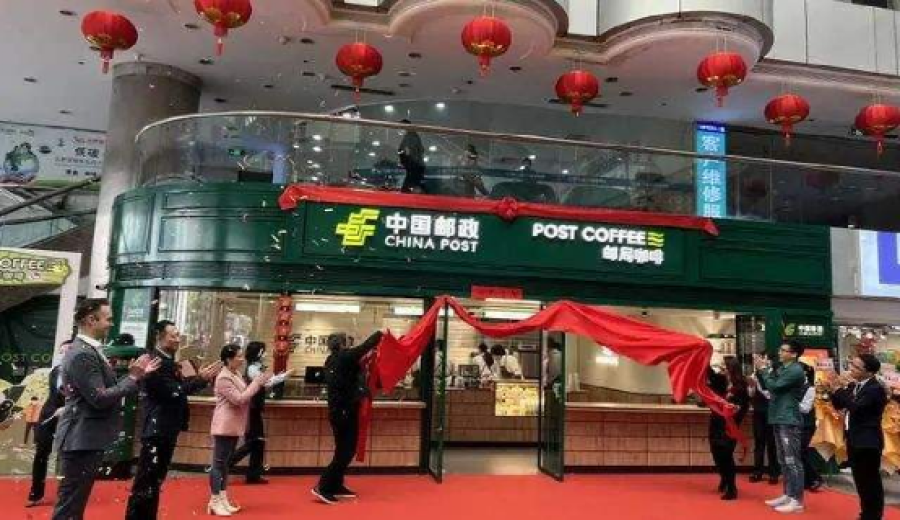
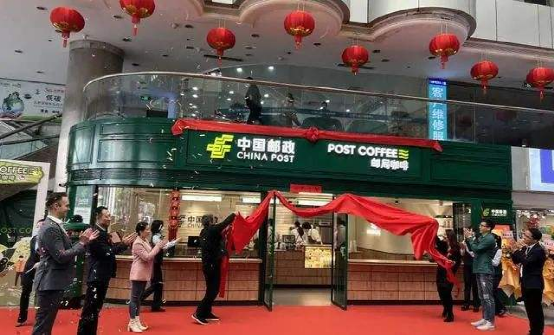
From China Post opening coffee shops to Kolkata’s “Siuli” in India, it is evident that the global postal industry is actively seeking new revenue streams and customer touchpoints. Coffee is no longer just a premium beverage but is gradually becoming a daily choice integrated into people’s lives—so much so that, as many say, it has become the “Western equivalent of soy milk.”
If you have the chance to visit Kolkata in the future, consider stepping into this uniquely distinctive post office café. While sipping a cup of coffee, you can also personally experience the intertwining charm of centuries-old postal culture and the region’s history.
The above content is compiled by CoffeeHunters, a coffee news website.


