







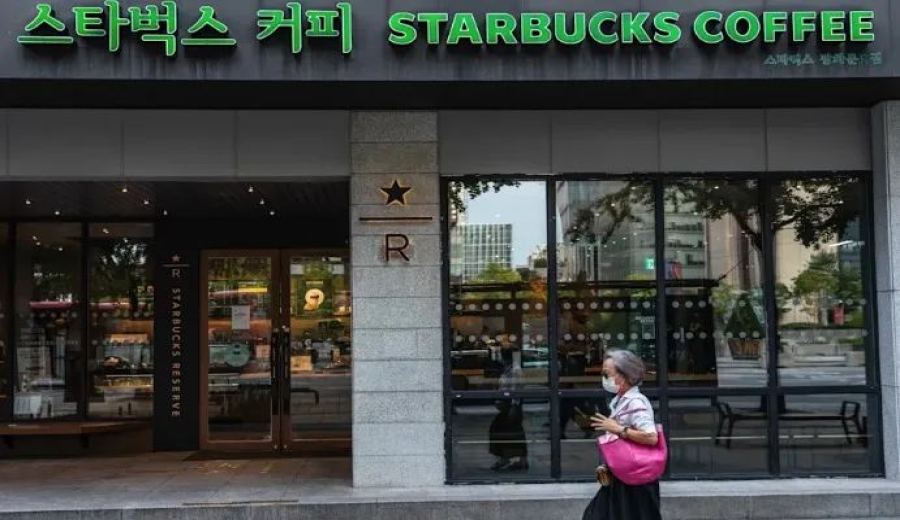
Introduction:In response to the environmental pressures posed by disposable cups, Starbucks continues to seek alternative solutions. Its newly launched Plan C introduces dedicated cup-washing machines in stores, allowing customers to wash their own cups and take them away while still paying a deposit. This trial is initially being rolled out at Arizona State University in the U.S. and some locations in Hawaii, while mainland China stores have already switched to paper straws and sippy lids, reducing plastic usage by approximately 200 tonnes annually. This article takes you through the evolution of Starbucks’ various plastic-reduction efforts, real-world testing outcomes, and consumer feedback.
In recent years, Starbucks has continuously explored feasible solutions to reduce the use of disposable cups — from the deposit cup scheme in South Korea to the cup-lending programs trialed in Europe and the U.S., with results falling short of expectations. Now, the brand has introduced a new pilot program — Plan C — which installs dedicated cup-washing machines in stores, enabling customers to clean their used cups after enjoying their coffee and take them home, though a deposit is still required. This test is set to launch at campus stores at Arizona State University in the U.S. and some locations in Hawaii.
Compared to previous initiatives, the biggest difference with Plan C lies in the self-cleaning mechanism, which allows customers to complete the cleaning steps themselves without needing to return the cup to a specific location.However, a deposit is still required for the cup.In the future, if the cup becomes worn, customers can choose to return it to Starbucks for a refund or exchange it for a new one. The aim of this plan is to boost customer willingness to reuse cups through a more flexible and convenient approach.
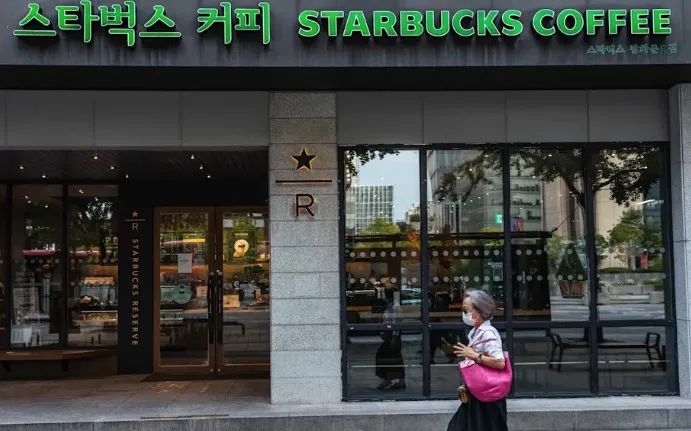
Starbucks’ plastic-reduction journey can be traced back to the South Korean market. Even before the COVID-19 outbreak, the South Korean government had intended to push ahead with a “plastic restriction order,” but the plan was delayed by more than a year due to the pandemic and was not officially announced until June 2023, when restrictions on large chain food and beverage operators took effect. As Starbucks’ fifth-largest global market, South Korea has over 1,500 stores, and the brand aligned with policy by launching a reusable cup scheme in June 2021. Customers pay a small deposit and return the cup to a contactless vending kiosk to get their money back.
However, due to the complicated process, the initial response to this scheme was lukewarm. Many customers found it inconvenient to make a special trip to a kiosk to return the cup, which affected willingness to participate. Starbucks later adjusted its policy, allowing customers to return cups at any store, at any time, and even accepted cups found on the street for deposit refunds. But this flexibility also sparked backlash from employees, who felt it added to their workload and suggested setting specific return times to avoid peak-hour crowding.
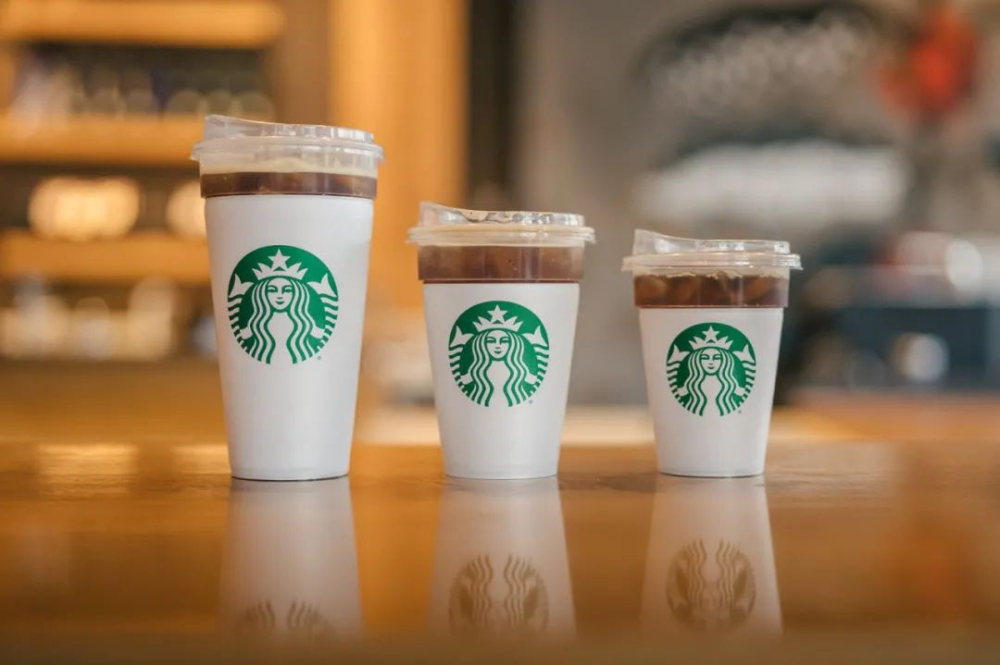
After both Plan A (implemented in South Korea) and Plan B (the cup-lending scheme) failed to significantly boost participation, Starbucks adjusted its strategy once again. Plan B had been trialed in stores in Seattle, Japan, Singapore, and London, where customers paid a $1 deposit to borrow a cup for takeaway. Returning the cup to any store not only earned back the deposit but also 10 stars (loyalty points), which could be redeemed for products once a certain threshold was reached. Despite adding an incentive mechanism, Plan B was still seen as overly complex and generally saw low acceptance among consumers across different regions.
In light of the challenges faced by several consecutive schemes, Starbucks Chief Sustainability Officer Michael Kobori announced a new plan — Plan C — on March 15. This initiative introduces dedicated cup-washing machines, allowing customers to wash their used cups in-store, improving convenience while maintaining the deposit system. This test will initially be conducted at campus stores at Arizona State University in the U.S. and some locations in Hawaii, with actual performance and consumer feedback closely monitored.
Although the new plan is environmentally motivated, many netizens feel the process is still not user-friendly, especially the need to travel back to stores or wash cups themselves, adding inconvenience and raising hygiene concerns. According to a previous survey by Sina Tech, 32,000 netizens participated in a discussion on “reusable cups at Starbucks,” with nearly 20,000 expressing disagreement, primarily due to concerns about cup hygiene.
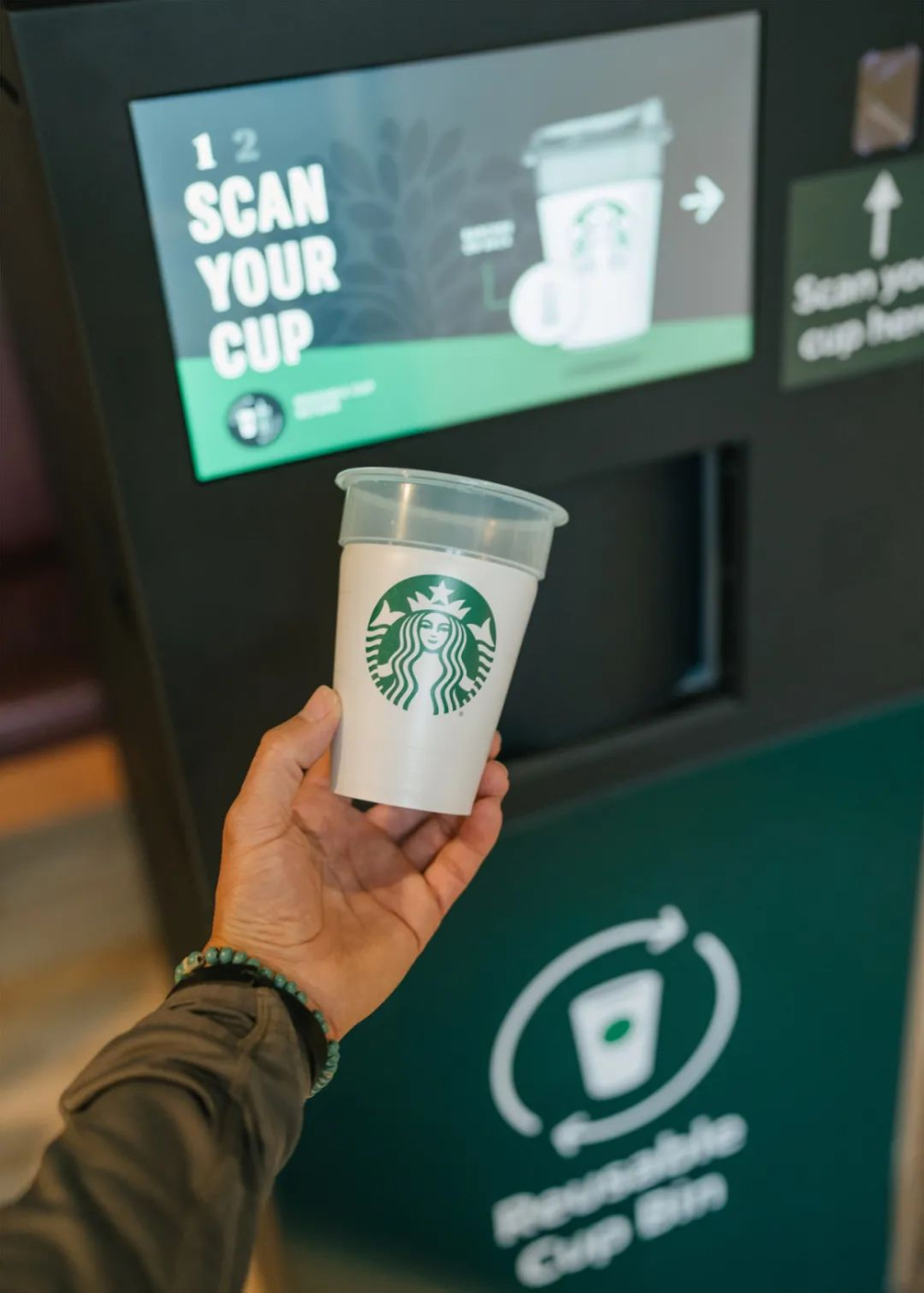
Regarding hygiene concerns, Starbucks has responded. The brand emphasized that returned cups are processed together with partner company GO Box. Every recycled cup undergoes thorough cleaning and disinfection procedures and is ensured to be back in stores within 48 hours for reuse, helping to reduce the use of disposable cups. However, for consumers in regions like Guangdong, who are accustomed to “rinsing tableware with tea,” there remains a psychological barrier to accepting reusable cups.
Notably, in the mainland China market, Starbucks has fully switched to eco-friendly paper straws and specially developed sippy lids that replace plastic ones. According to statistics, this adjustment reduces plastic usage by about 200 tonnes per year, showing that the brand has achieved some plastic-reduction goals through material substitution in certain markets. Whether Plan C can effectively boost consumer participation and help Starbucks achieve its 2025 sustainability targets remains to be verified by actual test results and market feedback.
The above content is compiled by CoffeeHunters, a coffee news website.


