







Introduction:Want to understand why Mandheling coffee boasts such rich and full-bodied flavors, and how it can be brewed without bitterness even in dark roasts? This article delves into key factors from regional terroir, processing methods, roast levels to pour over techniques. Discover the sources of that luscious body and get practical extraction tips for dark roast beans—so you can brew a balanced, layered Mandheling at home.
Have you ever wondered why Mandheling always delivers that thick, steady mouthfeel? Especially when roasted dark, it becomes even more intense—but improper brewing can easily bring out charred bitterness. This article will guide you through the bean variety characteristics, growing altitude, post-harvest processing, roast profiles, all the way to pour over equipment selection and brewing strategies. Help you systematically understand the conditions behind a full-bodied cup, with specific brewing pointers and bitterness-avoidance tips tailored for dark roast Mandheling.
Every coffee bean carries a unique "flavor imprint" from its origin region—this is also why single-origin coffees are gaining increasing attention. As one of the renowned producing regions, Indonesian coffee is known for its intense, deep flavors, especially Mandheling and the often mythologized "kopi luwak," both being classic representatives. However, if you’re after a bold mouthfeel, you don’t have to limit yourself to Indonesian beans. Other origins also offer many options with solid body—it’s all about understanding the essence of “body” and which factors truly affect it.
The so-called "body" of coffee generally refers to the texture and weight you feel in your mouth. Good body feels smooth, rich, and may even carry a slight oiliness; conversely, improper handling can lead to wateriness or an astringent, unpleasant mouthfeel. From bean selection and growing altitude, to processing method, roast, and extraction—every step influences the final body level.
First, different coffee varieties inherently possess varying potential for body. For example, although Robusta is generally not considered a top choice for specialty coffee, its natural body and oil release are quite outstanding—even higher than most Arabicas. Many specialty blends include a small portion of Robusta precisely to enhance the overall smoothness and richness. A certain brand’s classic blend incorporates this element, delivering layers like butter, maple syrup, roasted hazelnuts, and dark chocolate—especially great for milk-based coffee. It’s not only silky-smooth but also improves latte art performance.
Secondly, the growing altitude of coffee is also closely related to body. Arabica grown at high altitudes, due to larger diurnal temperature variations and slower growth, tends to have denser beans and usually offers more complex flavors and structure. The industry generally agrees that Arabica grown above 1200 meters has better flavor potential, which is why many specialty single-origin beans will indicate specific altitude information as a quality reference.
Processing methods are another crucial factor influencing perceived body. The more fermentation involved, the more likely the coffee will have a thicker mouthfeel. For example, the natural (dry) process allows the whole coffee fruit to ferment together, preserving more pulp flavors and typically resulting in a rounder, fuller taste; honey processing retains varying degrees of mucilage, and the more mucilage left on, the more pronounced the fermentation flavors—and the richer the mouthfeel; in contrast, washed processing only ferments the beans themselves, resulting in cleaner, brighter flavors but relatively lower body.
However, while these factors are important, they aren’t the most direct influencers of body. For the same bean, the roast level is the key factor that creates significant differences in body. Generally speaking, the longer the development stage goes after the "first crack," the more complete the caramelization reactions—and the stronger the body. For instance, light-roasted Kenyan AA may have bright flavors, but often falls slightly short in body compared to Mandheling; however, if Kenyan beans are medium-dark or dark roasted, their body can increase significantly, even approaching Mandheling’s level.
Of course, darker roast doesn’t mean the darker the better. Over-roasting can easily lead to obvious charred bitterness, throwing off the overall flavor balance and masking the original layers and nuances. Therefore, choosing a moderately roasted bean that fully showcases depth of flavor is the key.
In summary, if you’re seeking rich-bodied coffee, prioritize dark roast beans—and among those, favor those processed with natural or honey methods. In a certain brand’s lineup, several medium-dark roast beans with outstanding body performance include: Lintong Mandheling, Blue Mountain No.1, Queen Estate, and 2013 Natural Typica (Yunnan coffee); if you prefer medium-light roast but still want body, consider options like Natural Red Cherry, Kenyan Little Tomato, and Hua Kui.
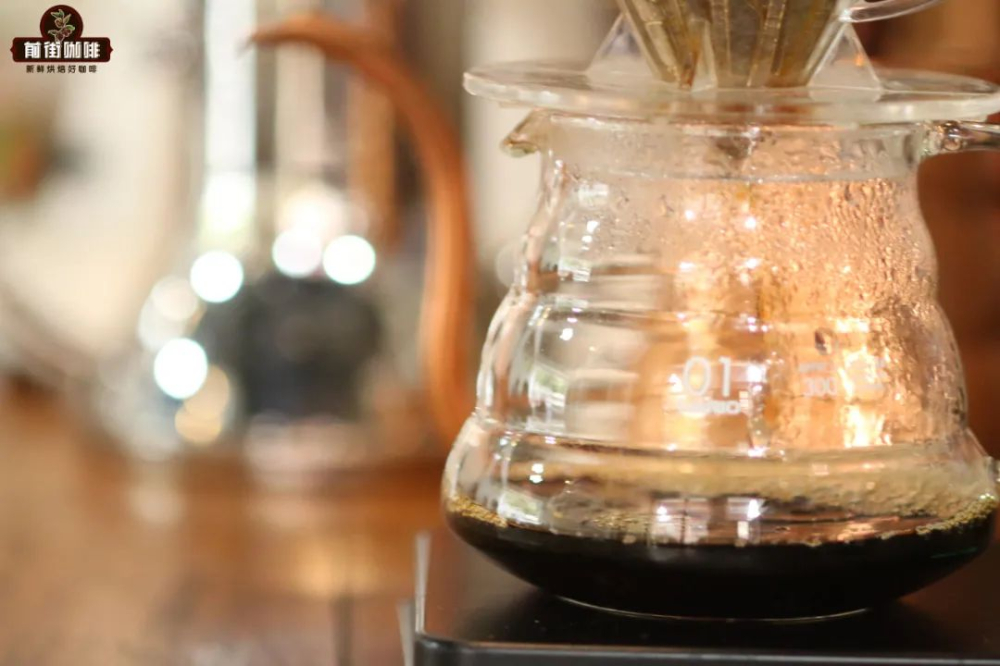
Finally, even with the right beans, brewing steps are equally crucial. Part of that rich body comes from released oils—so allowing more oils to dissolve into the coffee liquid naturally results in a smoother, fuller taste. Compared to regular paper filters, using a cloth filter like a flannel filter retains more oils, making the coffee’s body more substantial. Additionally, Japanese brewing methods like the Hario V60, Kalita Wave, and others—such as the Kono-style or Miyoshi-style techniques—have been proven to effectively enhance the expression of body-rich flavors. Definitely worth a try.
The above content is compiled by CoffeeHunters, a coffee news website.


