







Introduction:A man in Mianyang, Sichuan, was found counterfeiting Starbucks coffee inside a residential property. Posing as an agent on food delivery platforms, he managed to sell over 729 cups in a short period, generating illegal revenue of more than 40,000 RMB. This article delves into the full details of the case, covering the production environment of the counterfeit products, Starbucks’ official response, loopholes in the food delivery platform’s vetting system, and precautions consumers should take when ordering coffee.
A recent case of illegally producing and selling counterfeit Starbucks coffee was exposed in Mianyang, Sichuan, China. A suspect used a residential space to secretly prepare beverages and sold them via food delivery platforms under the guise of “purchasing on behalf of customers,” misleading many consumers into thinking they were buying genuine products. The case involved a total of 729 orders, with illegal transaction amounts exceeding 40,000 RMB, drawing widespread attention to the safety of delivery beverages and brand protection.
According to an investigation by the local market supervision authorities, the suspect, Kong Moumou, operated out of a residential building in Fucheng District. Under the false pretense of being the Starbucks Metropolitan Parkson and Wanda business area stores, he took orders through food delivery platforms. He claimed to be able to purchase genuine products on behalf of customers, but in reality, he was preparing coffee with a similar appearance in his own home and delivering it using packaging materials printed with the Starbucks logo, making it difficult for consumers to distinguish between real and fake.
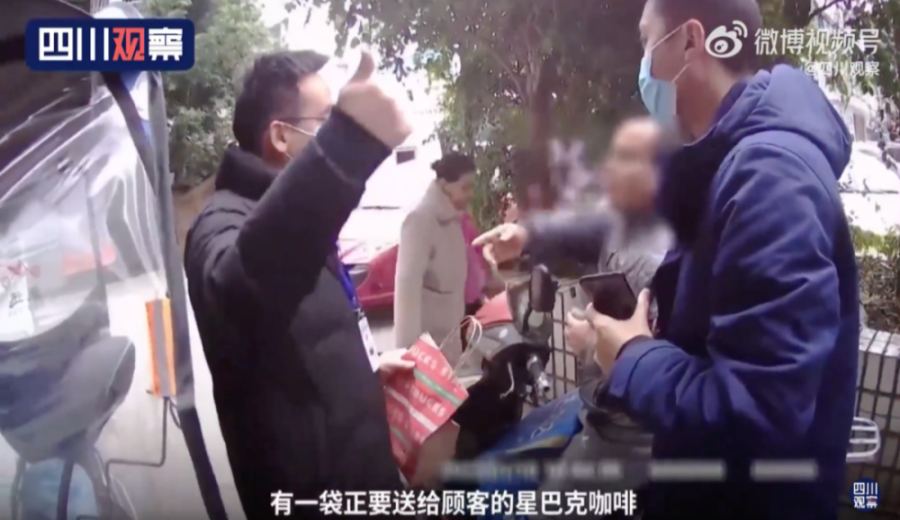
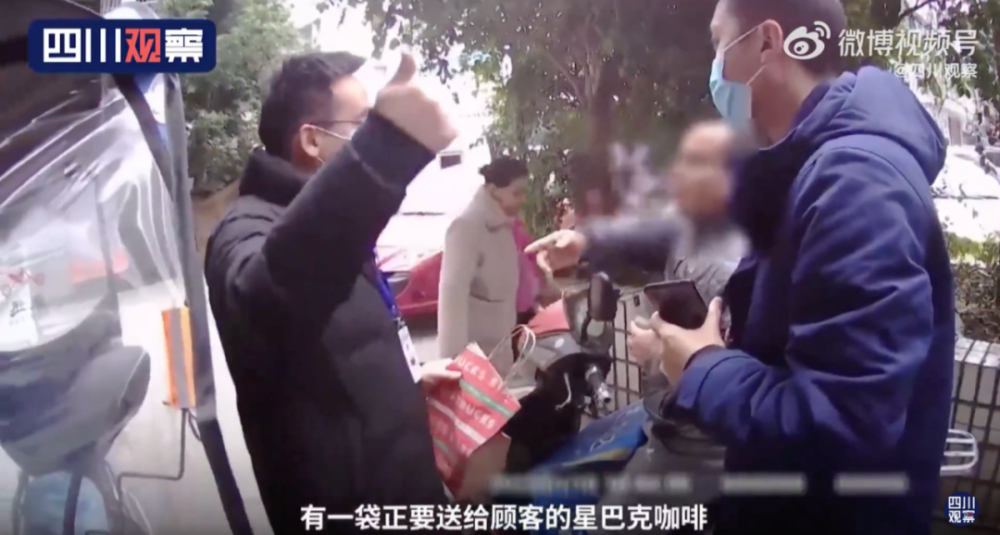
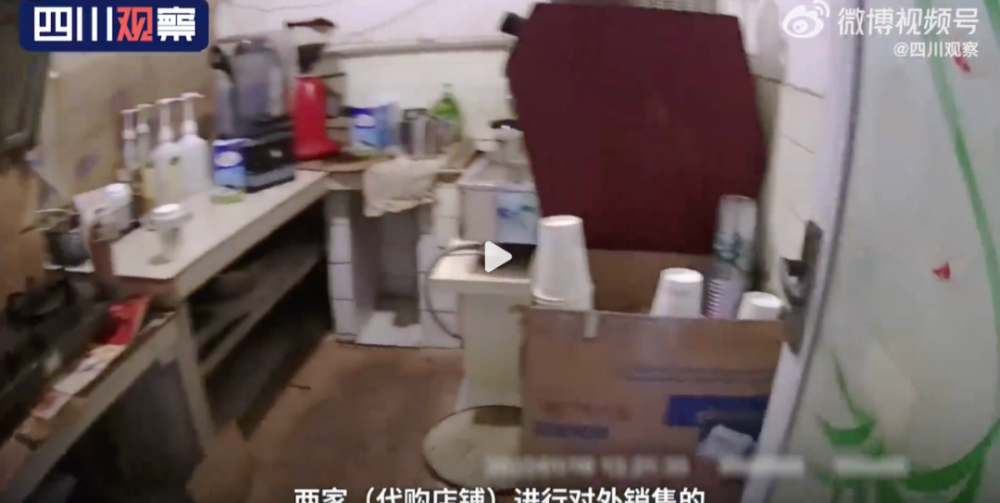
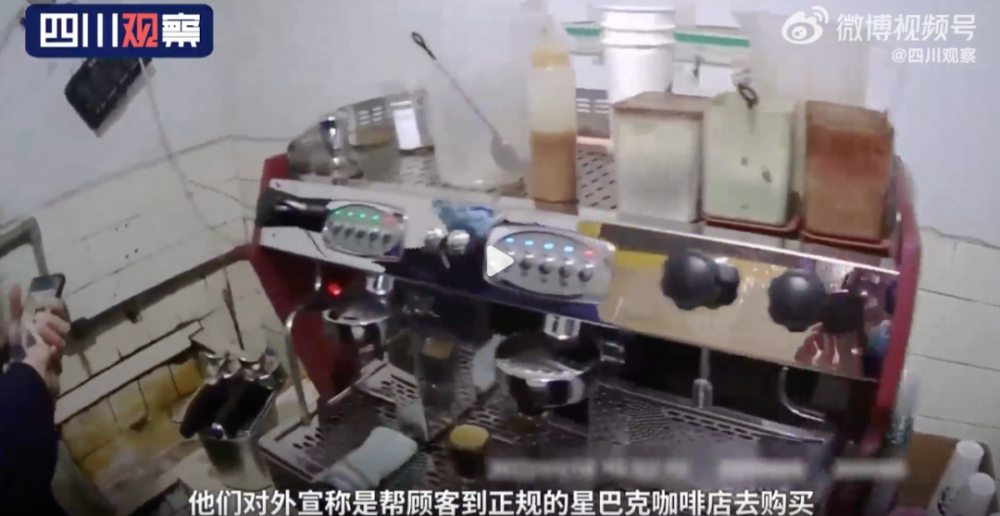
When law enforcement officers arrived at the scene based on a tip-off, they happened to catch Kong Moumou just as he was about to go out for a delivery. In his delivery box, they found several bags of beverages packaged in Starbucks-branded paper bags. Further searches led them to his counterfeit production site—a makeshift workspace hidden inside an ordinary apartment. Notably, the site not only had branded paper bags and cups, but also included syrups, straws, and other items that closely mimicked those from the official supply chain.
Upon entering the site, the officers found the overall environment alarming. In the preparation area, cleaning cloths were grayish-white, indicating they had not been properly washed for a long time. Various powdered ingredients were not stored in sealed containers, increasing the risk of moisture absorption or contamination. More disturbingly, leftover coffee extraction residue had not been properly disposed of, and the steam wand used for frothing milk still had visible milk stains, demonstrating a severely substandard cleaning process.
As Kong Moumou could not provide any food operation licenses or permits, the enforcement authorities confiscated all production tools and raw materials on the spot. They confirmed that this illegal operation had taken a total of 729 orders, with the involved amount reaching over 40,000 RMB. The case not only highlights how certain unscrupulous individuals exploit loopholes in the management of food delivery platforms for profit, but also makes the public re-evaluate the safety of the sources of delivered beverages.
In response to this incident, Starbucks China quickly issued an official statement, expressing serious concern and confirming their cooperation with relevant departments in the investigation. Starbucks emphasized its ongoing commitment to ensuring consumer drinking experiences and brand rights, and urged customers to purchase products either through official stores or the “Starbucks Delivers” (專星送) official delivery service, to guarantee quality and hygiene. The company also reminded customers that if they have any concerns about purchased products, they should contact customer service immediately for assistance.
In fact, many people may wonder whether it is truly difficult to obtain Starbucks-branded items such as syrups and cups. Although the brand exercises strict control over its supply chain, some online shopping platforms still list branded syrups, paper bags, and other peripherals bearing the Starbucks logo. Consumers who have previously purchased such items have noted that although the appearance resembles the genuine products, there are clear differences in flavor, especially in terms of aroma and taste complexity, which tend to be much weaker.
Starbucks has a high coverage of delivery services in the Chinese market, with nearly every store offering the “Starbucks Delivers” option. Consumers simply do not need to use so-called “purchase agents” to buy coffee. This case also highlights the shortcomings in the vetting and ongoing management of merchants by food delivery platforms. Law enforcement officials pointed out that they will further interview the responsible persons of the related platforms and require them to strengthen the admission criteria and daily oversight of delivery partner merchants.
This counterfeiting incident serves as a reminder to consumers that while enjoying the convenience of food delivery, they should also pay attention to the reliability of the ordering source. It is recommended to prioritize ordering through the brand’s official website or app, and carefully check the packaging details and hygiene condition of the delivered beverages. For “purchase agent” services with prices significantly lower than market rates or with questionable origins, extra vigilance is needed to avoid unnecessary losses and to protect both health and the overall consumption experience.
The above content is compiled by CoffeeHunters, a coffee news website.


