







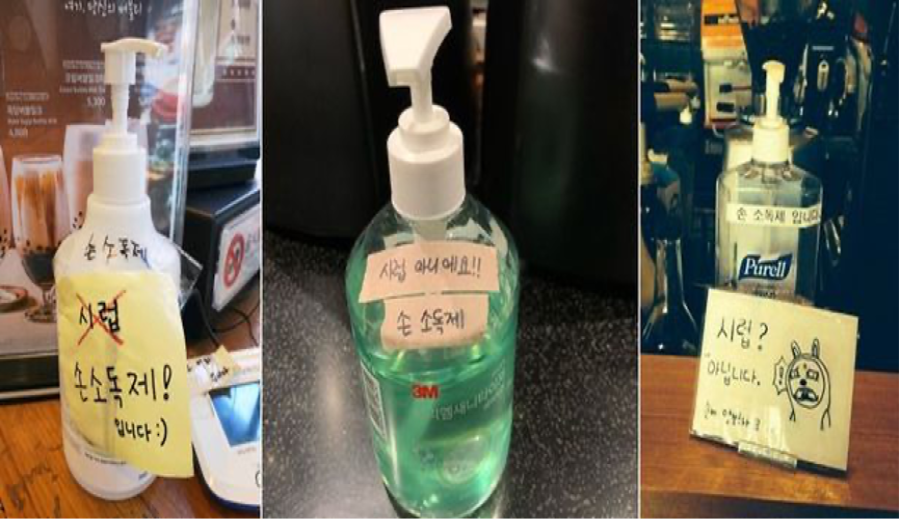
Introduction:During the pandemic, several coffee shops in South Korea reported incidents where customers mistakenly added hand sanitizer to their drinks, thinking it was syrup. Despite clear labeling on the bottles, many consumers still confused the two, leading to health issues and consumer disputes. According to statistics from the Korea Consumer Agency, related complaints in 2020 surged 17 times compared to 2019, with over 20% resulting in digestive system damage. This article delves into the reasons behind these incidents and offers practical advice on identification and prevention.
The COVID-19 pandemic has altered global habits, making hand sanitizer a common fixture in food and beverage establishments. However, in South Korea, a number of coffee shops have seen repeated incidents where customers mistakenly used sanitizer instead of syrup in their coffee. Even when the bottles were clearly labeled as "sanitizer," people continued to confuse the two, resulting in unpleasant consumer disputes.
In typical South Korean coffee shops, hand sanitizer is often placed on the counter for customer use, usually near the syrup bottles. Due to the similar packaging design of some products and the lack of careful checking by customers after ordering, mix-ups have become frequent. An anonymous coffee shop manager even shared online that during holiday periods, as customer traffic increased, so did the frequency of such incidents.
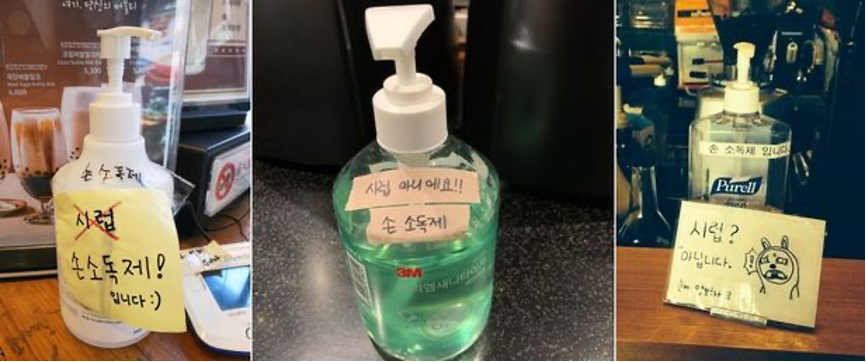
Notably, even when the bottles clearly stated "sanitizer," some customers who used them by mistake insisted it was the shop’s fault, demanding apologies and compensation. One manager revealed that customers not wearing masks not only ignored obvious labels but also made unreasonable accusations and even threatened legal action.
Data from the Korea Consumer Agency shows that in 2020, there were 69 nationwide consumer disputes related to hand sanitizer, a sharp increase17 timescompared to just 4 cases in 2019.Of these, 55 cases were confirmed to have caused physical discomfort,and11 cases (about 20%)resulted in digestive system damage due to sanitizer ingestion, highlighting the seriousness of the issue.
Since the outbreak of the pandemic, wearing masks and practicing frequent sanitation have become routine, but coffee shops, as public spaces, still need to balance hygiene and customer experience. Currently, most shops follow corporate policies by placing sanitizer and syrup in easily accessible locations for customers, which unfortunately also increases the risk of confusion.
Experts suggest that coffee shops could consider adjusting the placement of sanitizer and syrup—for example, storing sanitizer in higher or distinctly separate areas and using more visibly different packaging designs. Customers, on the other hand, should develop the habit of checking labels before use, especially when in a hurry or with poor visibility.
As the pandemic enters its third year, while many have begun to miss life without masks, maintaining good hygiene practices remains essential. If both coffee shops and customers remain vigilant—through clearer labeling and careful verification during use—the risk of accidentally drinking sanitizer can be effectively avoided, ensuring every cup of coffee remains safe and delicious.
The above content is compiled by CoffeeHunters, a coffee news website.


