








Introduction:Did you know? In the past, Europeans didn’t drink coffee directly from cups—they poured it onto saucers to enjoy it that way instead. This article takes you on a journey through the evolution of coffee cups and saucers from the 17th century to today, exploring how we went from the inconvenience of having no dedicated coffeeware, to the transformation brought by Chinese porcelain, and finally to the rise of the handled mug as the norm. Along with the historical timeline, we’ve also included humorous responses from netizens and hands-on testing experiences to help you understand the fascinating culture behind this everyday item.
Coffee cups and saucers—this seemingly ordinary duo actually holds a cultural evolution story spanning hundreds of years. In different regions and eras, people’s use of coffee saucers varied greatly: some used them to hold spoons, others placed bones in them, and some even drank their coffee directly from them. Especially in Europe, there was a time when people really did sip their coffee from saucers. From the lack of dedicated coffee cups in the 17th century, to the shift brought by Chinese porcelain, to the modern popularity of handled mugs, this evolution not only reflects technological progress but also reveals a pursuit of both elegance and practicality.
You might wonder: what exactly is the purpose of the saucer under a coffee cup? On this question, people from various backgrounds have given a wide range of answers. Some believe it’s to prevent hot coffee from scorching the table, others say it’s specifically for placing a stirring spoon, and more particular individuals think that lifting both the cup and saucer together makes for a more elegant drinking posture. In Guangdong, some even jokingly say it’s for spitting out bones.

In fact, as a globally popular beverage, the ways and etiquette of drinking coffee vary greatly across regions. If you ask a European, they might give you a surprising answer: “The coffee saucer is for drinking coffee.” That’s right—Europeans in the past had a unique way of drinking coffee: they would first pour it into the cup, then transfer it from the cup to the saucer, and then sip it like tea. You might ask: why not just drink from the cup? It turns out this was a compromise balancing decency and comfort: drinking from the cup was more formal, but hot coffee could easily burn the mouth, whereas pouring it into the saucer helped cool it down, allowing one to enjoy the aroma at a more leisurely pace.
Looking back before the 17th century, Western tableware culture was not yet well developed—spoons, cups, and plates were all considered luxuries, so naturally, there were no dedicated coffee cups either. At the time, European coffeehouses were mostly influenced by the Turkish coffee culture of the Ottoman Empire, where coffee was typically brewed and served in shared bowls for customers.

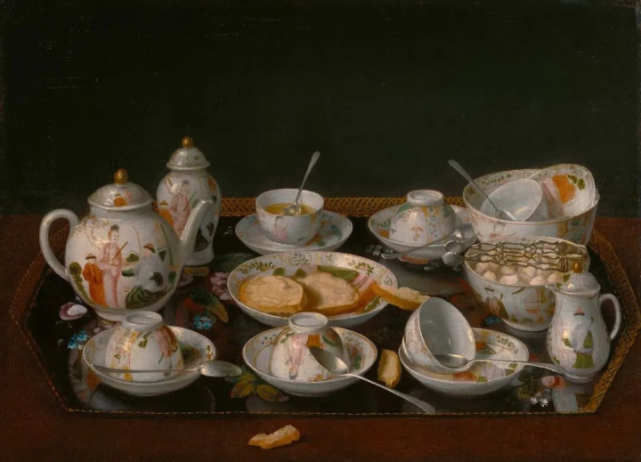
Imagine a modern, formally dressed businessperson walking into a specialty coffee shop and picking up a bowl to drink coffee—wouldn’t that seem quite out of place? Moreover, even if cups were available, most were made of metal such as tinplate, primarily designed for heating, with rapid heat conduction. Not only were they prone to burning the mouth, but they also weren’t suitable for slow sipping. It wasn’t until Chinese porcelain was introduced to Europe via Zheng He’s voyages that a revolutionary change came to local drinkware. Europeans discovered that porcelain was not only elegant and refined but also resistant to rust. Though it still conducted heat, its overall texture and appearance were greatly improved, leading them to start imitating Chinese teaware and create dedicated coffee cup and saucer sets.
However, because porcelain was expensive and production was limited at the time, these refined cup and saucer sets were only accessible to the nobility, while the general public still commonly used bowls to drink coffee. Even so, the nobility soon encountered a new problem: even with beautiful ceramic cups, the cup body and rim were still too hot to hold steadily or sip from directly, which hindered an elegant image. To solve this issue, they came up with a clever idea: pour the coffee into the cup first, then transfer it to the saucer to cool it down, and then sip from the saucer. This maintained decorum while avoiding burns. This method gradually became popular, even spreading to the public and becoming a common habit across all social classes.
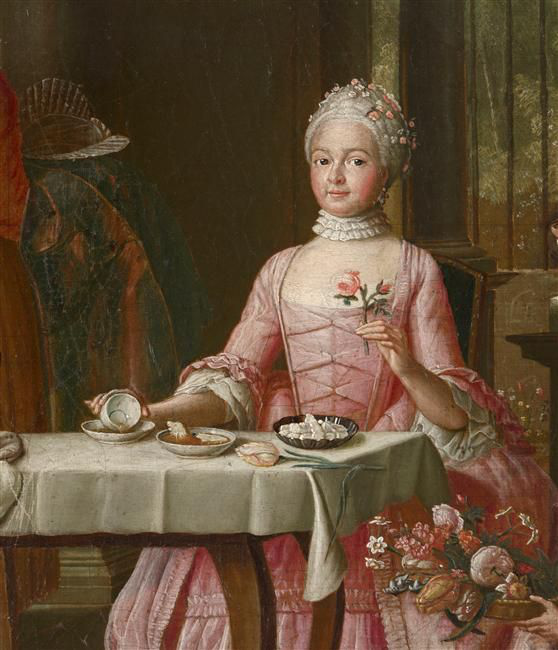
By the mid-18th century, European ceramic manufacturing techniques had gradually matured, and designs slowly began to break free from simply imitating Eastern styles. Coffee cups evolved from shapes similar to tea bowls into more distinctive forms, and teacups were also influenced, gradually developing into the familiar handled cup style we often call a mug today. This change made cups easier to grip, no longer difficult to bring close to the mouth due to high temperatures, and materials became more diverse, with prices gradually becoming more affordable, allowing coffee cups to enter more households.
Interestingly, even though handled cups have become widespread, many people still habitually hold the cup in their right hand and rest the saucer in their left, as if continuing the elegant posture of the nobility of old. This practical yet ceremonial way of drinking can still be seen in many artworks and old photographs to this day.
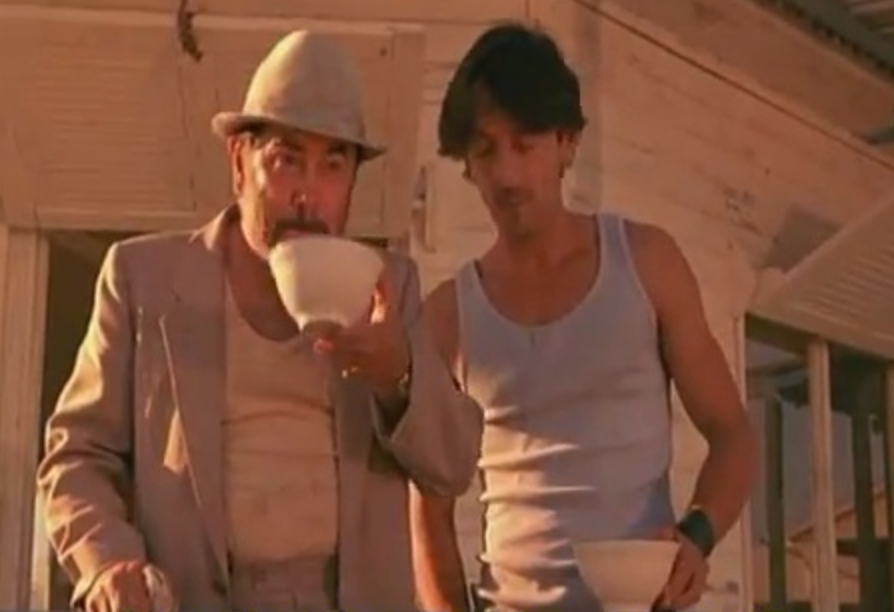
After learning about the evolution of the coffee saucer, take a look at the humorous comments from netizens—you’re sure to smile. To personally test this ancient drinking method, our editorial team also conducted an experiment—and found that while it certainly has a retro vibe, the coffee in the saucer is really very hot, and drinking it elegantly does require a bit of courage and practice.
If you’d also like to try this nostalgic saucer-drinking method, it’s recommended to use medium-to-light roasted coffee beans with clear flavors and balanced acidity and sweetness, and let the coffee cool slightly before pouring it into the saucer—the flavor experience will be more comfortable. Remember, safety first—don’t get burned by hot coffee.
The above content is compiled by CoffeeHunters, a coffee news website.


