








Introduction:As an important coffee-producing region in China, Yunnan’s “small-bean coffee” has always attracted significant attention. This article explores the development trajectory of the region, analyzes the differences between small-bean coffee and Robusta, delves into the characteristics of major varieties such as Typica and Catimor, and explains the cultivation and processing factors behind flavor formation. It also highlights three representative Yunnan coffee beans, offering flavor profiles for both pour over and espresso applications to help you find your ideal Yunnan coffee choice.
In recent years, Yunnan coffee has gained increasing visibility in both domestic and international markets, especially the Arabica variety known as “Yunnan small-bean,” which has become a regional hallmark. The term “small-bean” primarily refers to Arabica varieties grown in Yunnan, in contrast to the medium-bean Robusta from Hainan, and generally denotes finer flavor profiles. However, the development of this category has not been without challenges. From the early introduction of Typica and Bourbon to the later widespread cultivation of Catimor, the journey has involved multiple shifts in variety, market dynamics, and consumer trends.
Looking back to the last century, when coffee was first introduced to Yunnan, the primary choices were the two traditional Arabica varieties: Typica and Bourbon. Their common traits include pure flavors, smooth mouthfeel, and a natural sweetness, making them well-suited for consumers seeking delicate taste profiles. However, these varieties also have clear drawbacks: lower yields per unit area, unsuitability for high-density planting, and weaker resistance to diseases. These factors led farmers, under market and cost pressures, to gradually shift toward cultivating varieties with higher yields and stronger survivability.
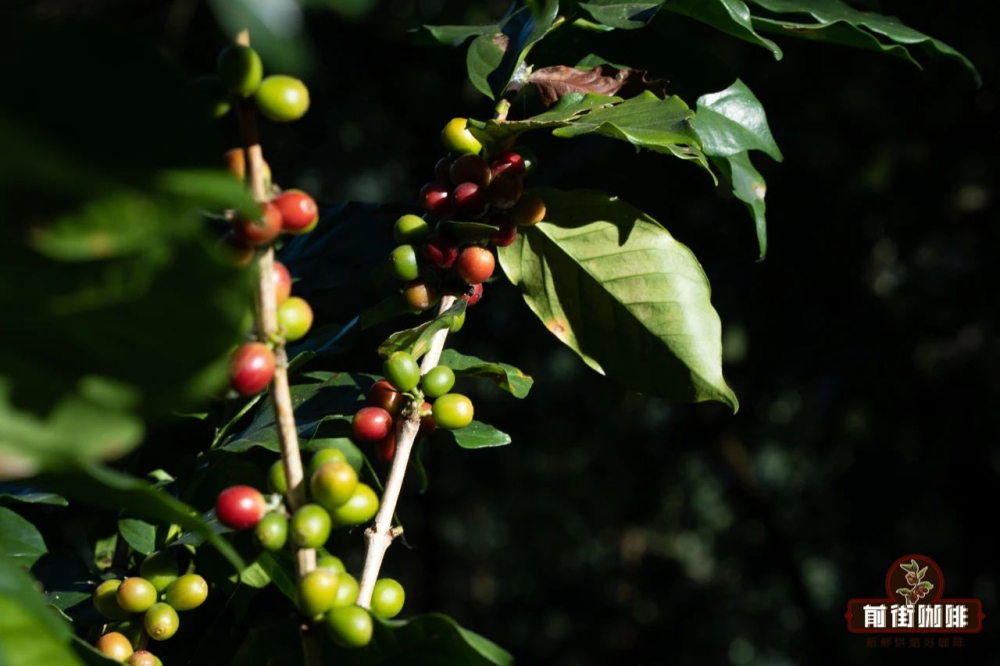
The currently dominant Catimor in Yunnan emerged in this context. Catimor is a hybrid of Caturra and Timor, with Timor itself containing about 25% Robusta genes. As a result, Catimor offers stronger disease resistance and higher yields, but its flavor profile tends to be heavier, often exhibiting woody notes or bitter, astringent undertones. This is the main reason why many people in earlier years formed impressions of Yunnan coffee as “wild” or “earthy.” However, with the rise of the specialty coffee movement, more producers have begun to emphasize harvest ripeness—using only fully red cherries—and adopting more refined processing methods such as washed and natural, significantly improving the overall quality of Yunnan beans.

If you’re looking to get a basic sense of the flavor profile of Yunnan small-bean coffee, starting with an entry-level Catimor variety is a good option. For instance, Yunnan small-bean everyday beans that are washed and medium roasted typically exhibit notes of nuts, herbs, chocolate, and caramel, with a hint of gentle fruit acidity in the aftertaste. They’re suitable for daily pour over or using drip bags, making them a great starting point for experiencing the terroir of this region.
If you want to explore the original potential of Yunnan small-bean coffee more deeply, the Typica variety is not to be missed. Typica grown at high altitudes can showcase the most authentic flavor characteristics of the variety: when processed using the natural method and medium roasted, it often presents a sweet-tart flavor reminiscent of dried apricots, subtle nutty notes, and a brown sugar-like sweetness, with even a hint of tea-like elegance in the aftertaste. Such coffees are suitable for various brewing methods, including pour over, cold brew, clever dripper, and even drip bags, meeting the needs of different consumption scenarios.
Additionally, for readers who prefer using a moka pot or espresso machine, it’s recommended to try espresso blends consisting of Brazilian Red Bourbon and Yunnan AA. These blends are usually tailored for espresso extraction, bringing out intense notes of chocolate, roasted nuts, butter, and cocoa, with a good crema layer. They offer great value and are an excellent choice for quickly enjoying Yunnan flavors at home or in the office.
In summary, the development of Yunnan small-bean coffee—from early limitations in variety and market misunderstandings to gradually gaining recognition through refined processing and quality control—is a transformational journey worth noting. Whether you’re a beginner pour over enthusiast or an espresso aficionado seeking fresh blending inspiration, it’s worth taking the time to explore Yunnan beans more deeply—you might just discover some unexpected delights.
The above content is compiled by CoffeeHunters, a coffee news website.


