








Introduction:In the sweltering summer heat, more and more coffee enthusiasts are turning to cold brew to enjoy their coffee—not only to avoid the intense heat of hot beverages, but also to highlight the coffee’s inherent sweetness and layered complexity. However, brewing a cup of cold brew with balanced flavor and a clean mouthfeel involves expertise in everything from bean selection and grind size to water-to-coffee ratio and steeping time. This article will take you on an in-depth exploration of cold brew coffee, covering bean variety selection, recommended grind fineness, the golden ratio of water to coffee, and an analysis of how steeping time affects final flavor—helping you easily master the key elements of making it.
As the weather gets warmer, many coffee lovers begin seeking out more refreshing beverage options, and cold brew has become one of the most popular brewing methods for summer due to its low acidity, natural sweetness, and smooth taste. Compared to the precision equipment and techniques required for ice drip, cold brew is much more accessible—you only need simple tools and a good grasp of a few core parameters to make it easily at home.
The success of cold brew coffee first depends on the choice of beans. Generally speaking, single-origin beans labeled as suitable for pour over on the market can also be used for cold brew. However, different roast levels and processing methods greatly affect the final flavor profile. For example,Light-roast washed beans, such as those from Ethiopia’s Yirgacheffe or Panama’s Geisha, often bring out bright citrus and floral notes, with a refreshing taste, making them suitable for drinkers who prefer a clean and vibrant flavor; whereasLight-roast natural beans, such as those from Kenya or certain regions of Costa Rica, tend to have intense fruity aromas and sweetness due to the natural fermentation process during drying, resulting in a more pronounced juice-like flavor after cold brewing.
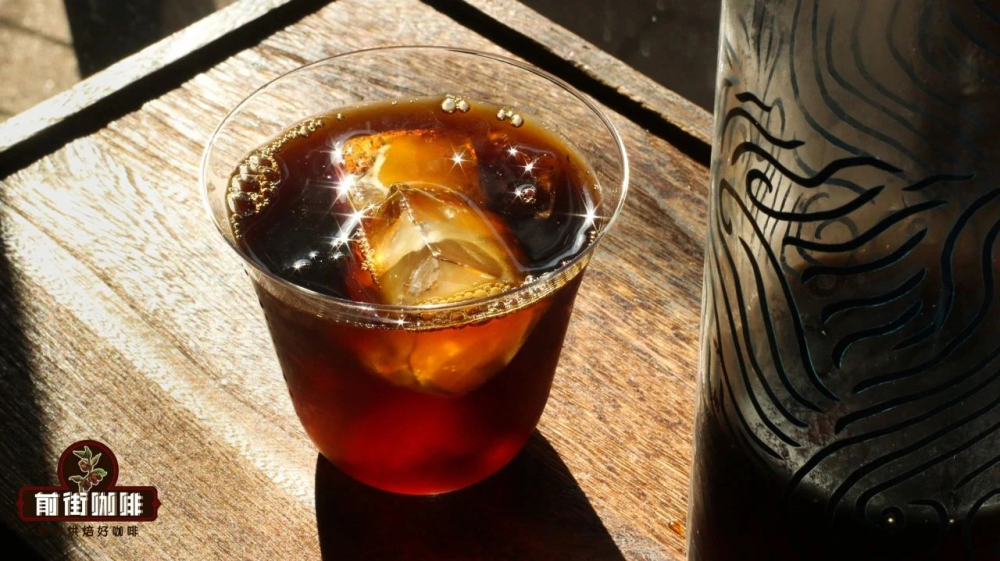
If you prefer flavors that are richly layered with a noticeable sweet aftertaste, you might opt for medium-light roast beans such as Honduras Sherry, Costa Rica Mozart, or Colombia Rose Valley. For a more balanced flavor with less pronounced acidity, Papua New Guinea Bird of Paradise, Costa Rica Tarrazú, or Diamond Mountain from Finca Emerald are all excellent and reliable choices. In addition, many coffee enthusiasts have found through experimentation thatletting the beans rest for about 20 to 30 days to degas before using themcan lead to smoother extraction and more distinct flavor layers in cold brew. However, it’s recommended not to exceed 45 days, as too much aroma may dissipate.
When it comes to equipment, cold brew doesn’t require expensive gear—a regular glass bottle or sealed mineral water bottle will do. The key lies ingrind coarseness—compared to pour over, cold brew requires a slightly finer grind, roughly around 85% through a #20 sieve, similar in texture to fine coarse sugar. This kind of grind helps ensure a stable release of flavor compounds even during extended extraction times.
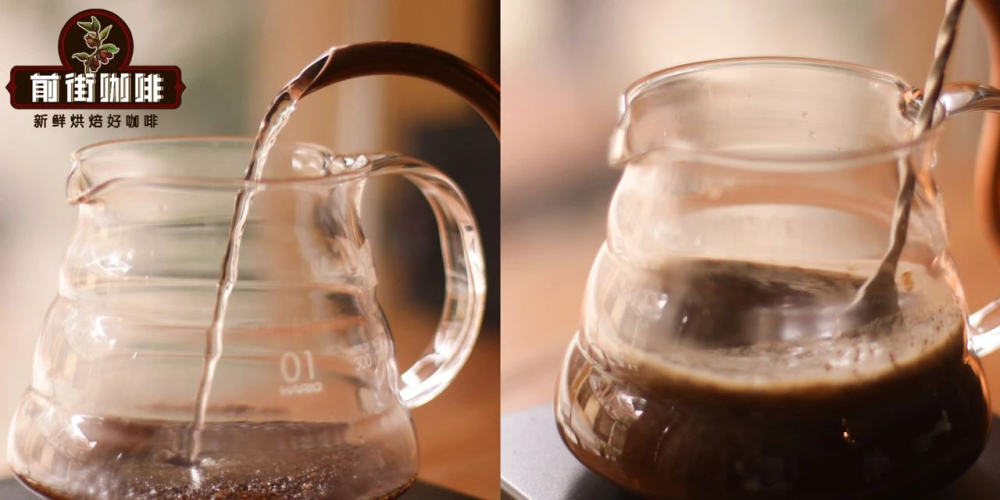
The standard recommended water-to-coffee ratio is1:12—that is, about 600 milliliters of water for every 50 grams of coffee grounds. In practice, you can start by adding 50 grams of coffee grounds to the container, followed by 400 milliliters of room temperature water and around 200 grams of ice cubes (if no ice is available, cold water can be used entirely instead), stirring well before sealing and placing in the refrigerator to steep. This method allows the coffee to extract slowly in a low-temperature environment, reducing the risk of over-extraction while preserving more sweetness and aroma.

Steeping time is another crucial factor that influences the flavor of cold brew. The generally recommended steeping duration is12 to 24 hours, which can be fine-tuned based on bean variety, grind size, and personal taste. Too short a time may result in under-extraction and a weak flavor; too long may bring out excessive woody or off-note flavors. For first-timers, 16 hours is a good starting reference. After extraction, it’s recommended to filter out the coffee grounds using filter paper or a filter cloth before enjoying a clean, sweet-and-sour balanced cup of cold brew.
In summary, making a satisfying cup of cold brew coffee involves careful adjustment of every step—from bean selection and grind coarseness, to water-to-coffee ratio and steeping time. As long as you get these basic elements right, whether you prefer refreshing fruity notes or rich, sweet flavors, you can easily achieve your ideal cup at home and savor your own summer coffee moments.
The above content is compiled by CoffeeHunters, a coffee news website.


