







Introduction:Recently, a popular mobile coffee truck in Quanzhou, Fujian was ordered to cease operations, sparking nationwide discussions on the legality of operating businesses out of modified vehicles. This low-barrier entrepreneurial model has garnered over ten thousand posts on Xiaohongshu, but concerns have emerged regarding electrical safety, food hygiene, and roadside vending. This article analyzes the domestic legal basis for mobile coffee trucks, clarifies common misconceptions, and outlines key compliance points to help potential entrepreneurs assess risks.
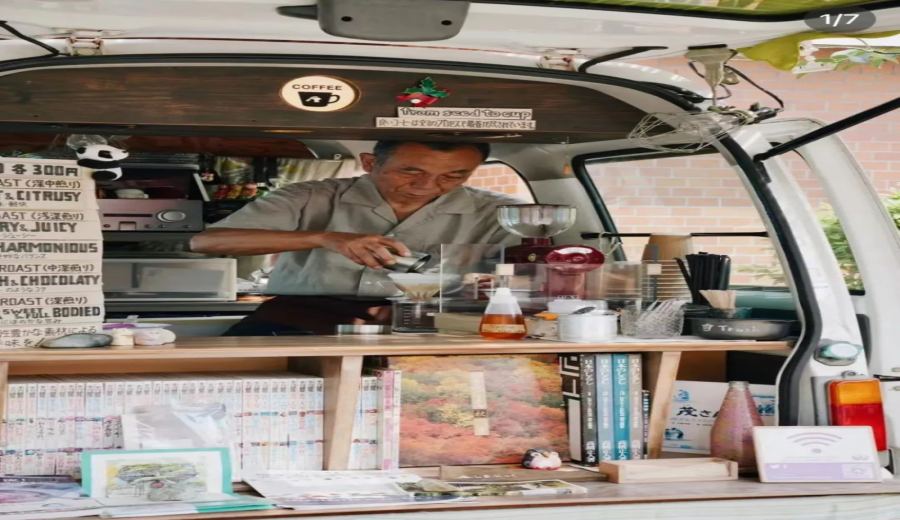
Eye-catching mobile coffee trucks frequently appear on urban street corners, becoming popular photo spots on social platforms. A search for “mobile coffee truck” reveals over ten thousand related posts, with such vehicles spotted in both first-tier cities and county-level commercial districts.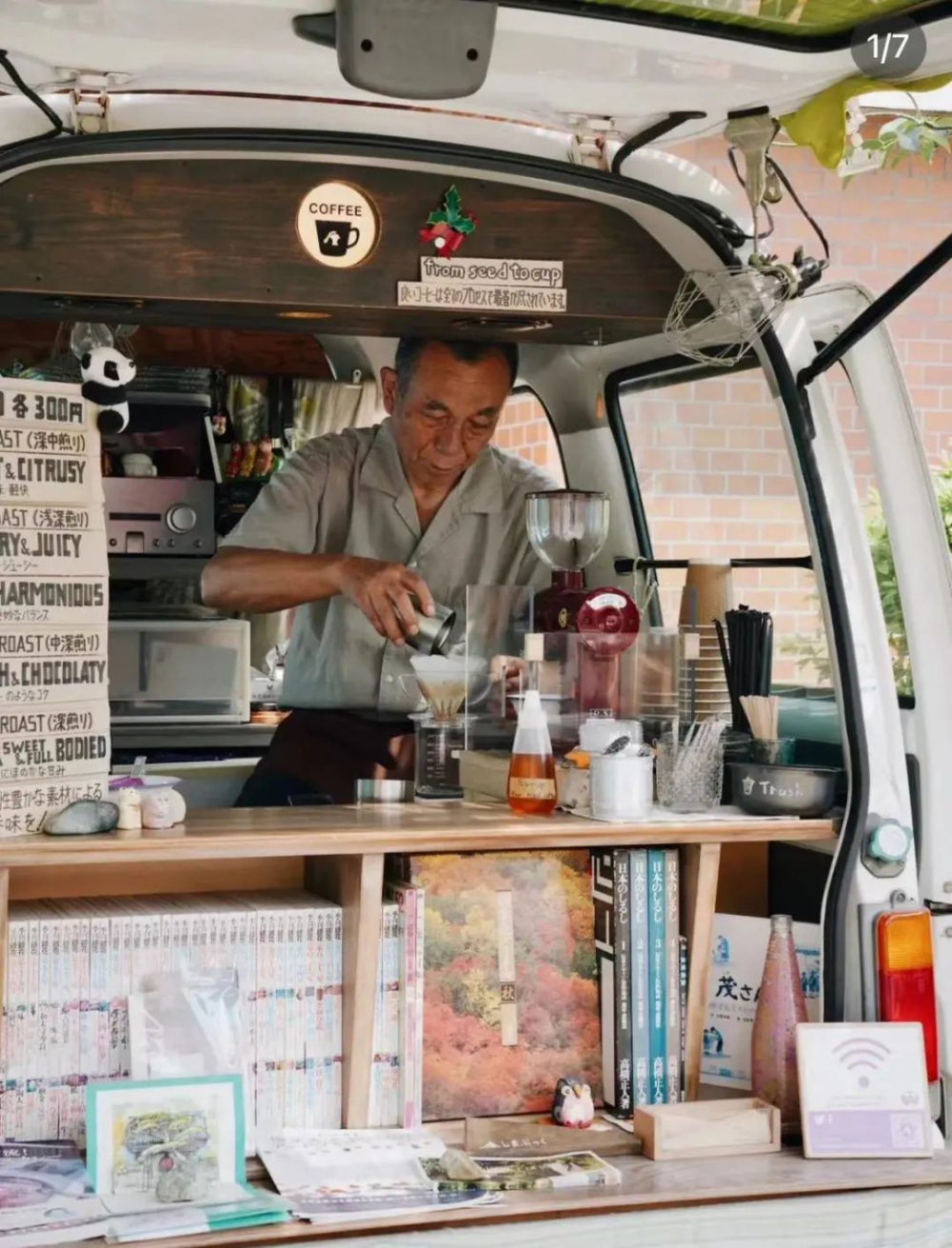
Law enforcement agencies point out that this mobile vending model mainly presents three issues: temporary wiring may overload and cause fires, the lack of professional-grade water purification and refrigeration equipment can lead to food safety risks, and vehicles often occupy fire lanes or disabled parking spaces.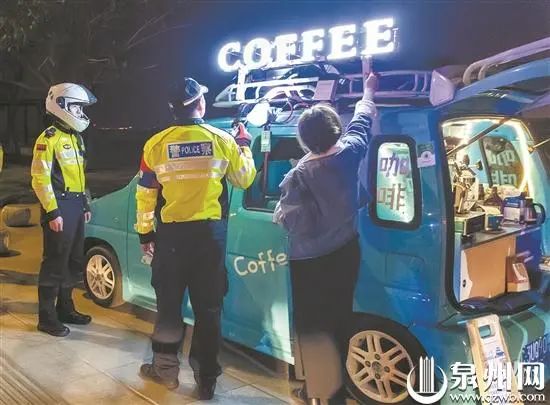 According to Article 11, Paragraph 2 of the "Measures for Investigating and Dealing with Unlicensed and Unregistered Businesses," relevant vehicles were seized due to the absence of legal business registration, and the case is currently under investigation.
On the surface, coffee trucks eliminate the costs of storefront rent and renovation, but they come with multiple hidden limitations. The cramped interior makes it difficult to properly accommodate grinders, pour over stations, and water purification systems. High summer temperatures or rainy seasons can also directly impact operations. Moreover, the transient nature of the business leads to lower customer return rates, extending the payback period for initial furnishing and equipment investments.
When applying for a mobile vendor license domestically, management departments generally require proof of a fixed place of business, while mobile coffee trucks are often considered to have “no fixed address.” Even if temporary permits are obtained, meeting catering-grade hygiene standards—including ingredient storage temperatures and waste sorting—proves extremely difficult in confined spaces.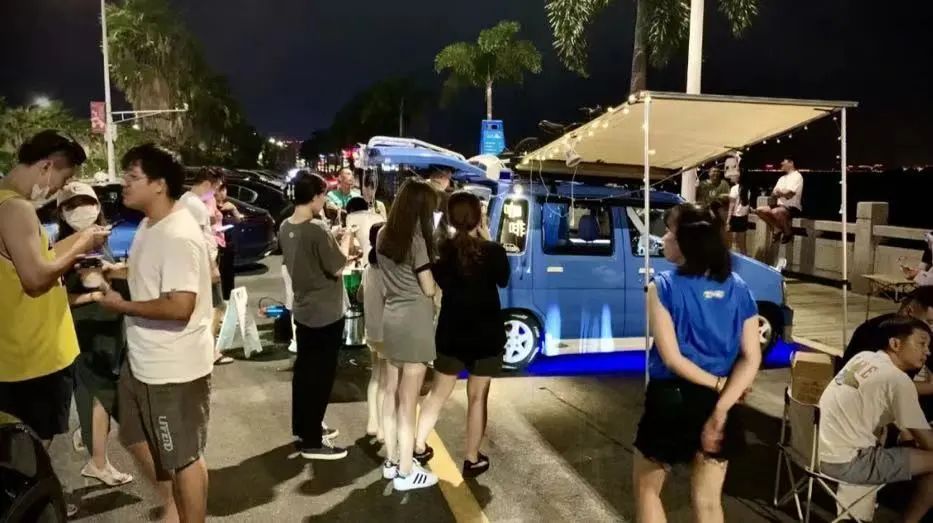
Looking at international examples, successful coffee trucks in Europe, America, and Japan mostly rely on clear zoning regulations. For instance, Los Angeles requires vehicles to be equipped with commercial-grade exhaust systems, while Tokyo restricts operations to designated market hours. In contrast, under current domestic regulations, entrepreneurs who fail to obtain a food operation permit, fire safety inspection certificate, and other required documents are highly likely to face fines or equipment confiscation.
Industry insiders suggest that aspiring operators should first consult local urban management and market supervision authorities to confirm whether their jurisdiction allows mobile vending zones. They must also evaluate whether vehicle modifications comply with the "Road Traffic Safety Law" regarding exterior alterations and budget for monthly regular inspections and maintenance. Do not overlook basic regulatory compliance due to influencer-driven trends.
The above content is compiled by CoffeeHunters, a coffee news website.


