







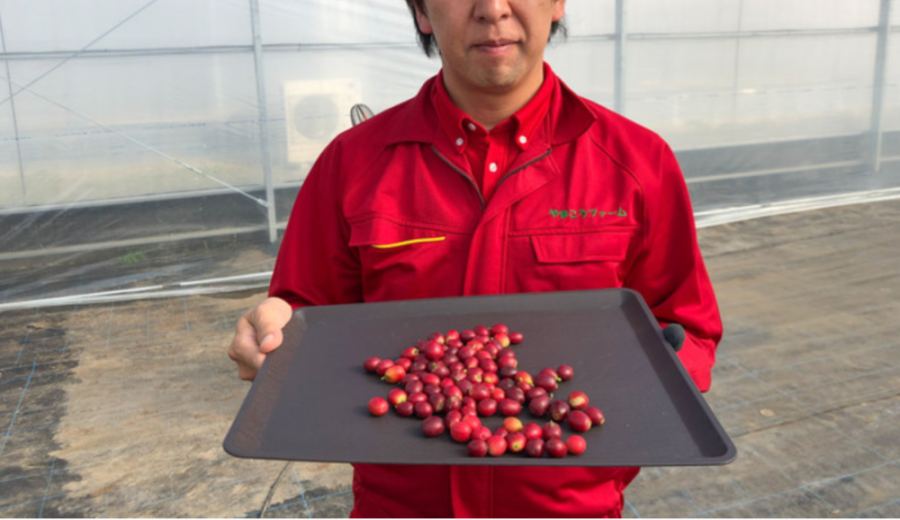
Introduction:The first domestically grown coffee beans in Japan have been successfully cultivated in a greenhouse in Okayama, with a pre-tax price of up to 1,500 yen per kilogram. Pre-sales sold out quickly. This article delves into the technical challenges of greenhouse cultivation, the reasons behind the limited yield, and the market positioning of these special coffee beans, helping readers understand the value behind the high price and its future potential.
A major milestone has been achieved in Japan’s coffee industry — the first successful cultivation and harvest of coffee beans on native soil. This breakthrough marks significant progress in coffee tree cultivation under extremely challenging climatic conditions. Due to Japan’s generally low winter temperatures, which are unfavorable for tropical crops like coffee trees, these precious coffee cherries were all grown in controlled greenhouse environments, contributing to their exceptional value.
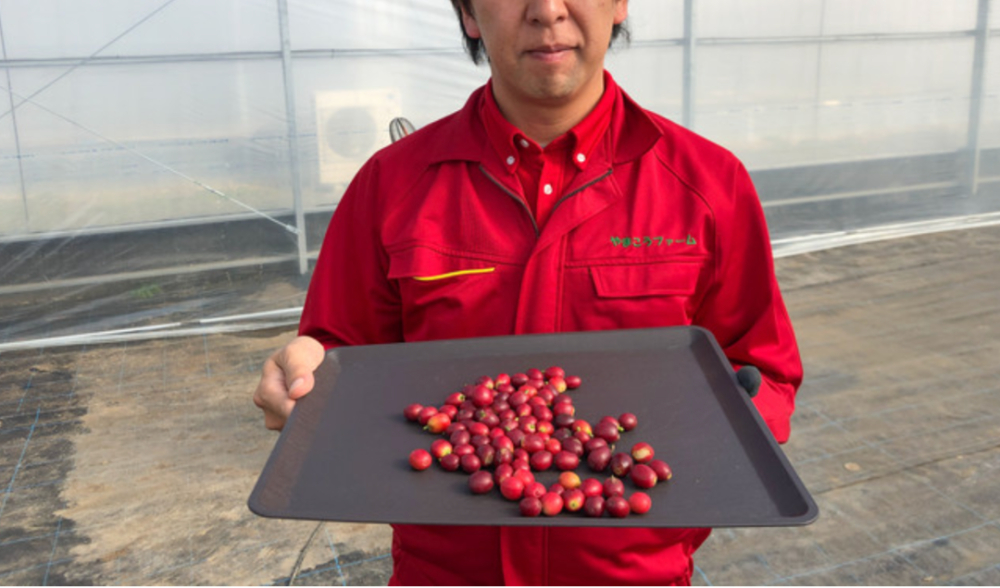
Behind this achievement is the years of accumulated expertise in tropical crop cultivation by the team at Yamako Farm. The person in charge had previously successfully grown heat-loving crops such as pineapples and mangoes in Okayama City. With a solid understanding of the local microclimate, they chose Okayama — an area with ample sunlight and relatively mild winters — as the experimental base. Building on the stable cultivation of tropical fruits, they then took on the more complex challenge of growing coffee trees, showcasing persistent agricultural innovation.
Notably, these coffee beans, the first of their kind to be produced domestically in Japan,were priced at 2,750 yen per 100 grams for green beans (approximately 150 yuan per 100 grams, or about 1,500 yuan per kilogram).Although the price sounds astonishing, it is actually slightly lower than some consumers’ expectations of a “per-bean” sales model. This pricing strategy reflects the combined impact of greenhouse maintenance, technical input, and extremely low yield throughout the production process.
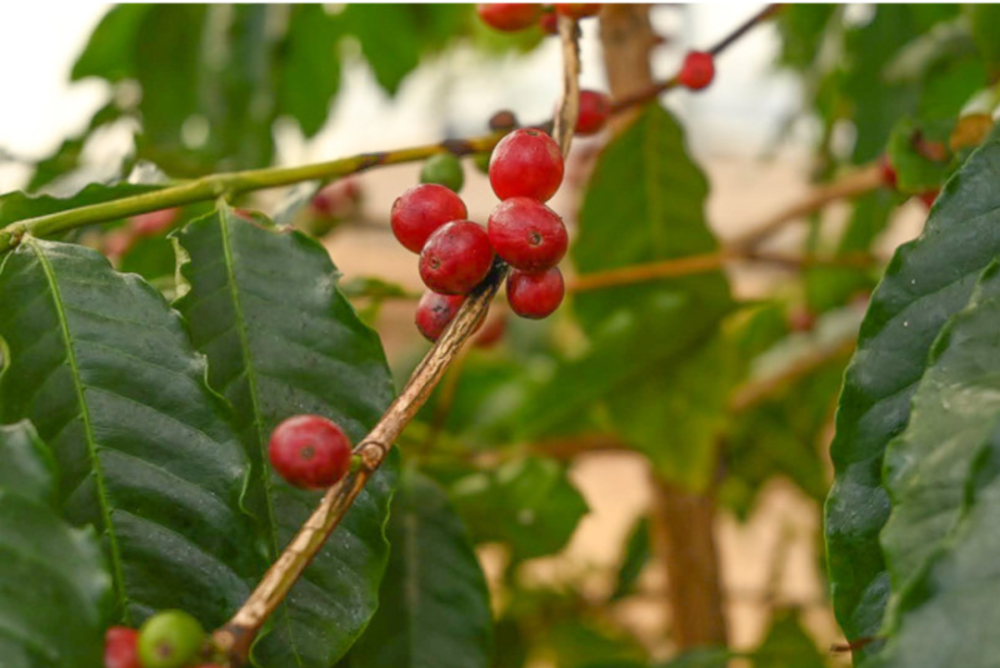
Since the entire cultivation process must take place in a greenhouse environment, it requires not only precise control of environmental parameters such as temperature and humidity but also overcoming the threat of low winter temperatures in Japan to coffee tree growth. This cultivation method significantly increases production costs and limits both the area that can be planted and the final yield. Although the greenhouse environment can simulate a tropical climate, maintaining stable growing conditions demands continuous and substantial resource input — a key factor contributing to the high unit price.
After the first batch of coffee beans was made available for pre-sale through official channels,they were snapped up instantly due to their extremely limited production.This demonstrates strong market interest in coffee from such a unique origin. For the average consumer, the opportunity to taste these domestically produced Japanese coffee beans in the near future remains slim, not only due to the high price threshold but also because of the scarce supply.
From a professional perspective, the value of these coffee beans lies not only in their price but also in the technological breakthrough and regional characteristics they represent. If the successful cultivation of coffee beans in Japan can gradually achieve expanded production, it may bring new flavor experiences to the global coffee market and provide a valuable reference case for crop cultivation under extreme climatic conditions.
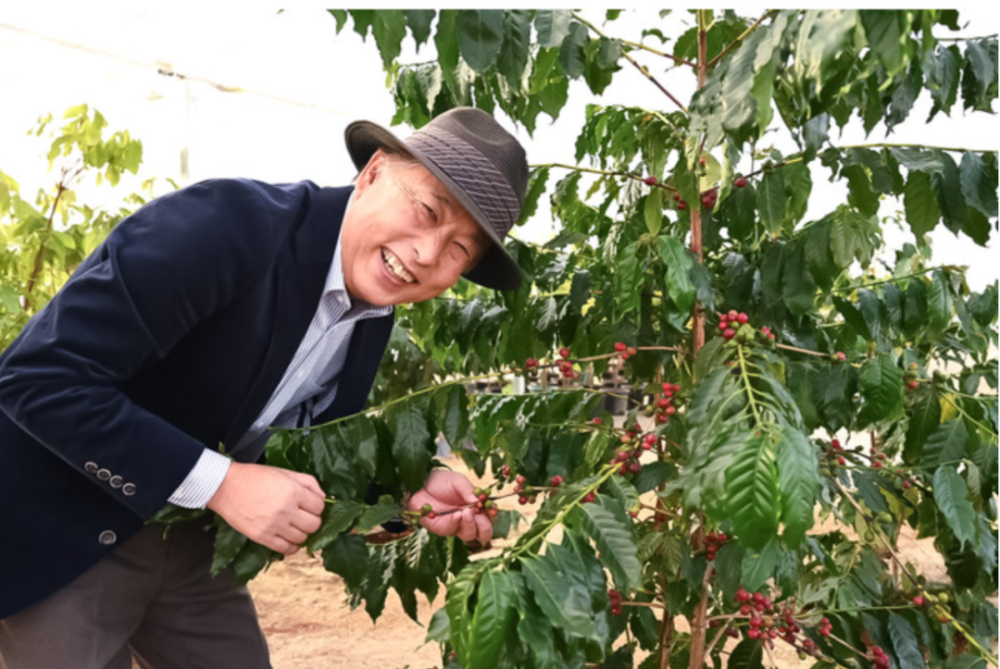
The above content is compiled by CoffeeHunters, a coffee news website.


