







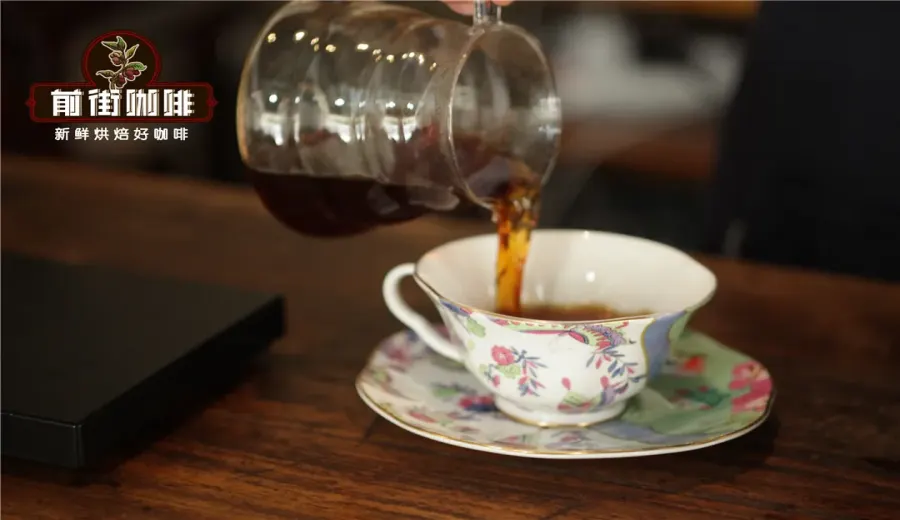
Introduction:Have you ever wondered why the same coffee beans can produce a richly layered flavor when brewed by someone else, yet you only taste a flat and monotonous profile? In fact, the key to a coffee’s layered taste lies in how your palate can discern the shifting flavors at different temperatures. This article will take you deep into the three core elements that influence layering—water temperature, grind size, and brew ratio—and explain how to extract more three-dimensional flavors through techniques such as fine particle retention, bitterness balance, and concentration control.
Have you had this experience? The same coffee beans brewed by others yield a rich and complex flavor, but you only taste something dull and one-dimensional. In reality, what we call the “layering” of coffee refers to the ability to clearly distinguish the different flavor notes released at various points as the temperature drops. This depth of flavor, revealed through temperature changes, is the hallmark of a truly refined pour-over cup.
There was once an experience at one of our stores where a colleague brewed coffee with remarkably distinct and full-bodied layers, leaving a deep impression. Although we didn’t fully understand the specific brewing technique at the time, upon reflection, we realized that even under limited brewing conditions, adjusting parameters such as water temperature, grind size, and brew ratio could still yield a richer flavor profile despite uneven extraction.
First, let’s clarify what we mean by the “layering” of coffee. When you sip a cup of coffee, as the temperature gradually decreases, different flavor stages will emerge in your mouth, and these flavors can be clearly distinguished from one another. For example, many coffee beans emphasize an exciting first impression—perhaps with pronounced grapefruit or citrus notes in the early sips—but if the middle and later stages fail to follow through or even fade away, the overall experience lacks depth. That’s not the ideal layering we’re aiming for.
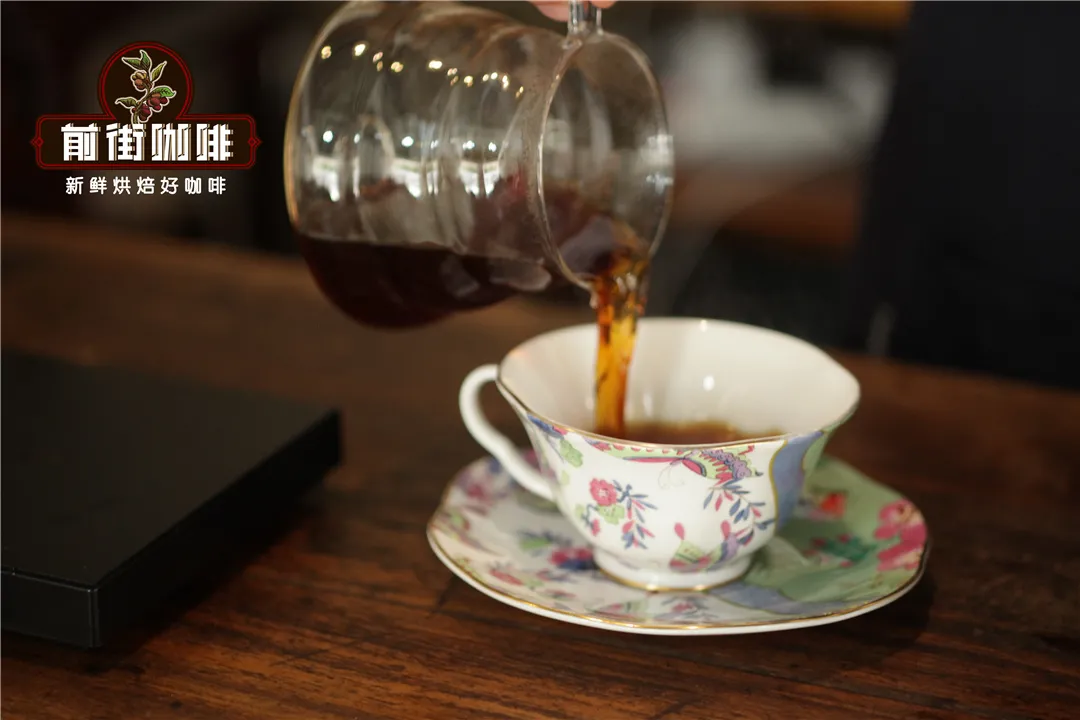
There are actually many factors that influence the layering of coffee, from the beans’ cultivation and processing methods to the roasting approach—all of which determine the potential and upper limit of the flavor profile from the very beginning. However, by the time we reach the pour-over stage, although the room for adjustment is limited, we can still enhance flavor layering by fine-tuning some key parameters.
One often overlooked factor is the retention of fine particles. Many believe fine particles only bring bitterness and off-flavors, but actually, preserving a moderate amount of fines—and thus intentionally creating uneven extraction—can add complexity to the flavor. These fines release different flavors during brewing compared to coarser grinds, thereby enhancing the overall taste profile.
The second key point is the balance of bitterness. During the coffee brewing process, acidity is usually the first to emerge, followed by sweetness, and finally bitterness. Many brewing methods deliberately avoid bitterness, focusing solely on achieving a balance between acidity and sweetness. There’s nothing wrong with this approach, but if you cut the brewing time too short out of fear of bitterness, you might lose the sweet support in the later stages, resulting in an underwhelming aftertaste. Retaining a moderate amount of bitterness can actually help enhance the overall flavor completeness and layering.
The third key factor is concentration control. Too high a concentration can cause flavors to concentrate at the front of the palate, making it difficult to distinguish between different notes. It is recommended to widen the brew ratio, keeping it between 1:15 and 1:17, so that the coffee concentration remains around 1.2%. This allows the flavors to unfold more smoothly and the layers to appear more distinct. At the same time, using a wide circular pouring motion—without disrupting the coffee bed structure—can also help release flavors more evenly, showcasing a richer variety of layers.

In summary, to brew a coffee with rich layers using the pour-over method, the key is to master the three main parameters: water temperature, grind size, and brew ratio. Beginners are advised to start with a medium temperature range (around 90–93°C), use a medium-fine grind (roughly the consistency of wheat flour to fine sugar), and adopt a 1:16 brew ratio as a baseline, then make fine adjustments based on actual flavor outcomes. Remember, layering isn’t about the intensity of a single flavor, but the harmonious transition and clear distinction between flavors at different stages.
The above content is compiled by CoffeeHunters, a coffee news website.


