







Introduction:The opening of Blue Bottle Coffee’s first Shanghai store triggered long queues and a surge in high-priced proxy purchases, reflecting contemporary consumers’ fascination with viral brands. This article delves into how herd behavior and label effects drive this check-in craze, examines the gap between queuing time, proxy costs, and actual quality, and offers insights for rational consumption.
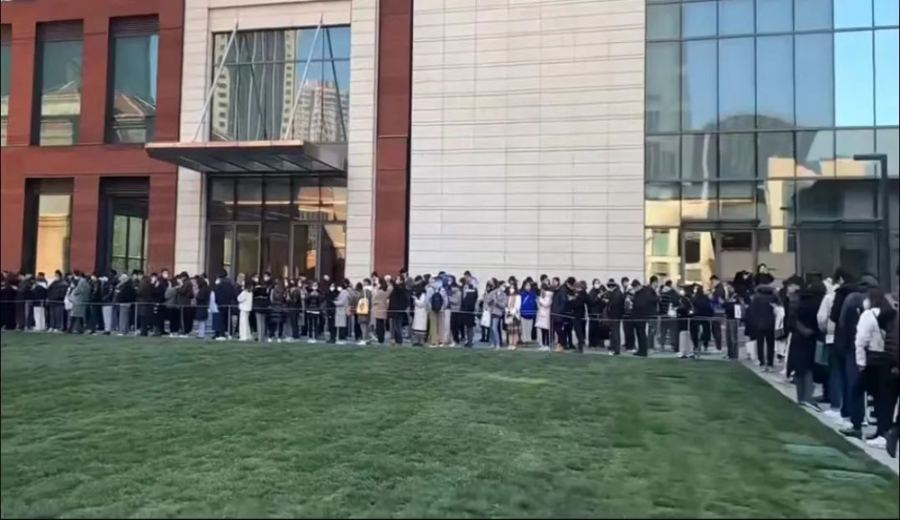
After the opening of Blue Bottle Coffee’s first Shanghai outlet, the queue stretched for hours, and the limit on purchases per person drove proxy prices up to over 150 yuan, sparking widespread discussion. Dubbed the “Apple of the coffee world,” the brand attracted many young people to brave the cold and queue for photo opportunities, thanks to its minimalist store design and long-standing reputation. Behind the phenomenon, beyond the product itself, lies a mix of consumer psychology and social needs.
The Psychology Behind the Check-In Craze
Why would many young people, who usually wouldn’t wake up early, willingly wait for hours in the cold? This involves the dual influence of herd behavior and label effects. When individuals lack sufficient information about something, they often follow the majority’s choice—this is herd behavior in action. As more and more people praised Blue Bottle Coffee, those who hadn’t tried it also felt peer pressure and eventually joined the queue.
Label effects are equally crucial. By checking in at such aesthetically pleasing brands, young people can showcase their awareness of trends and reinforce their personal image. In the social media era, this kind of “identity marker” often proves more attractive than the coffee itself.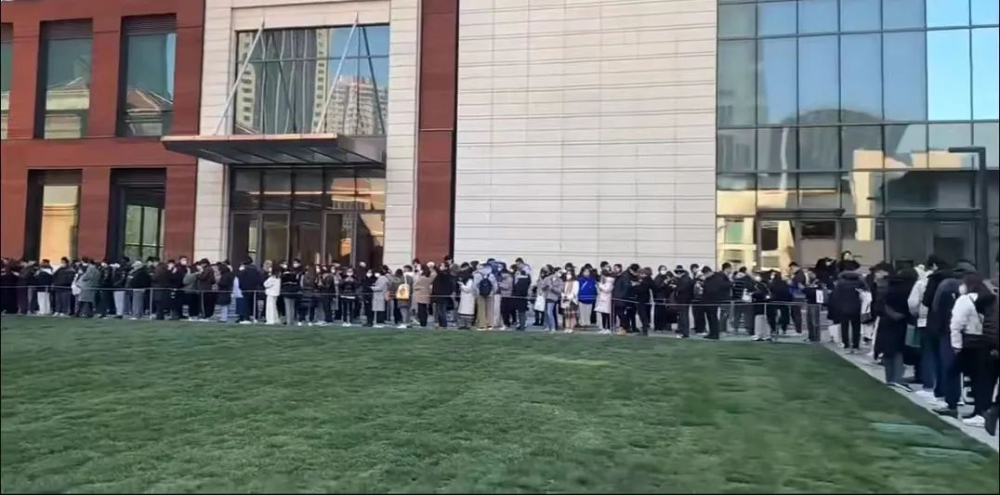
The Idealized Brand Expectation
For most mainland consumers, Blue Bottle Coffee has long been shrouded in “legend.” The brand’s delayed entry into the mainland market, coupled with praise from customers elsewhere, idealized its image in the public mind. Its minimalist logo design (just a single blue line) and store spatial aesthetics perfectly align with the minimalist style championed by today’s youth. Even the most ordinary coffee can appear premium under the right filter and shooting angle.
The Gap Between Queuing Costs and Actual Experience
Many queuers spend 4–7 hours, and after physical and mental exhaustion, they often struggle to objectively evaluate the coffee’s quality. During peak times, employee fatigue may lead to inconsistent service, creating a gap between expectations and the actual experience. Although many know that the “might-as-well-stay” mentality may be irrational, most still choose to keep waiting. Behind this persistence lies a question worth considering: Is the time and health cost for brief social display worth it? Especially in the context of the pandemic, the risks of gathering cannot be ignored.
The Supply-Demand Logic of the Proxy Market
Those unwilling to queue but eager for attention have fueled a high-priced proxy market. Even though a Blue Bottle latte is priced at around 40 yuan, some pay 120–150 yuan for coffee that may have gone stale, just for the sake of taking photos to share. The brand’s subsequent “limit of 5 cups per person” policy the next day failed to cool demand, and proxy prices actually rose further.
This phenomenon reveals a consumer paradox: when a product becomes a social currency, its practical value is redefined. But for most consumers, what really matters is weighing whether the real cost of a fleeting label outweighs its long-term value.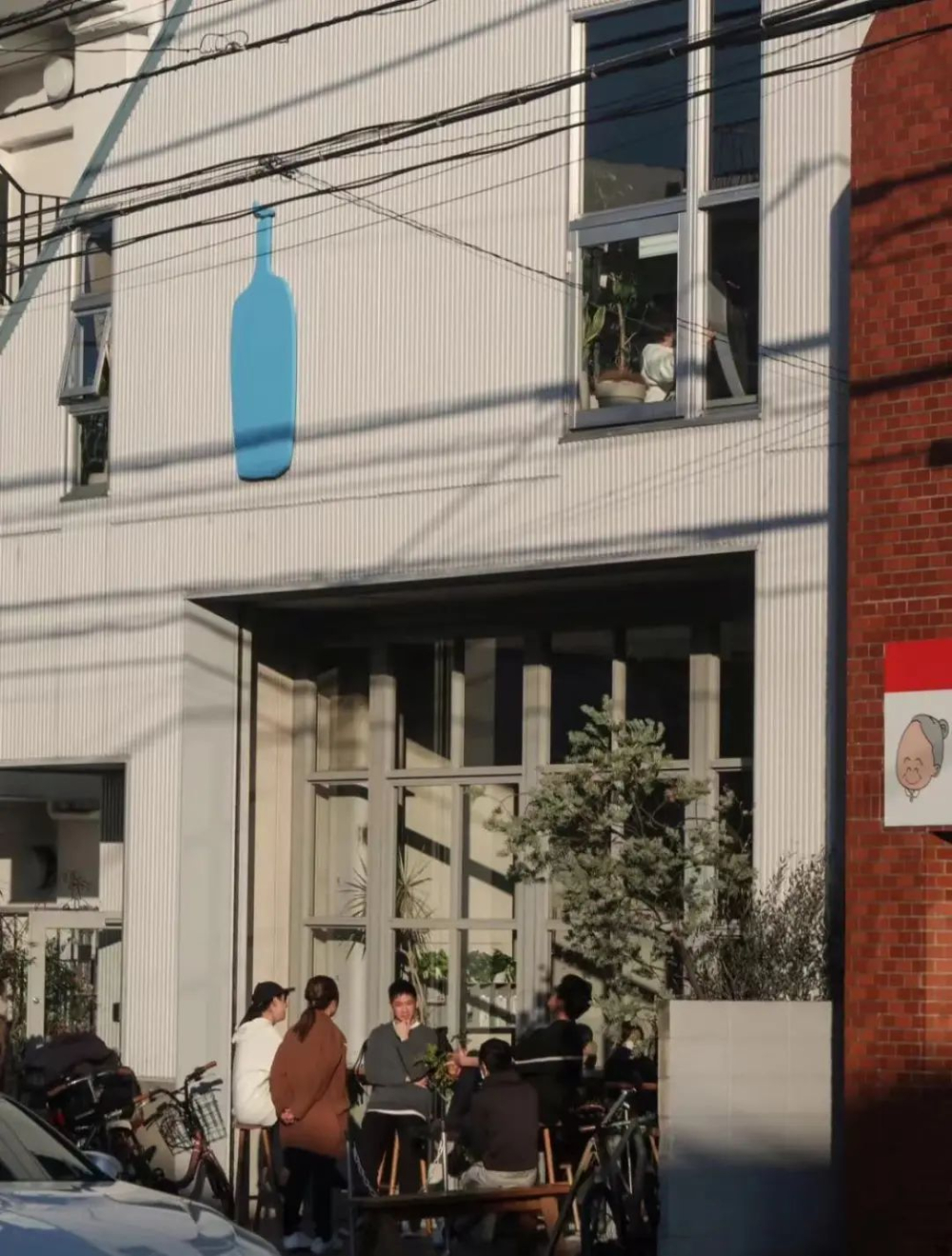
The above content is compiled by CoffeeHunters, a coffee news website.


