








Introduction:The extraction performance of pour over coffee often starts with the correct use of filter paper. Many people encounter issues where the filter paper curls or fails to adhere tightly to the cone after wetting, which can affect coffee flavor and flow rate. This article will detail the folding and fitting techniques for filter paper — from selecting the right filter cone and paper, proper folding methods, handling the seam at the cone base, to each step of wetting and securing the paper — helping you improve the consistency and quality of your pour over coffee.
Although filter paper may seem insignificant in the pour over process, it plays a crucial role in ensuring even extraction and optimal flavor expression. Especially when using a cone-shaped filter, if the paper doesn’t fully adhere to the inner wall of the cone, it may lead to uneven water flow, inconsistent coffee extraction, or even an undesirable papery taste. This article will guide you step-by-step through the correct folding and fitting methods, from the basics of choosing the right filter cone and paper to detailed handling techniques, so that every pour over you make performs consistently.
First, the selection of the filter cone and filter paper is crucial.The resin V60 filter coneoffers higher dimensional accuracy and consistency in industrial manufacturing. In comparison, ceramic cones may have slightly smaller cone angles than the standard 60 degrees due to differences in firing temperature or molds, affecting how well the filter paper fits. As for the filter paper itself, it’s recommended to choose products from reputable brands. These papers usually have consistent specifications and stable material quality, making them less likely to cause operational difficulties due to uneven thickness or cutting.
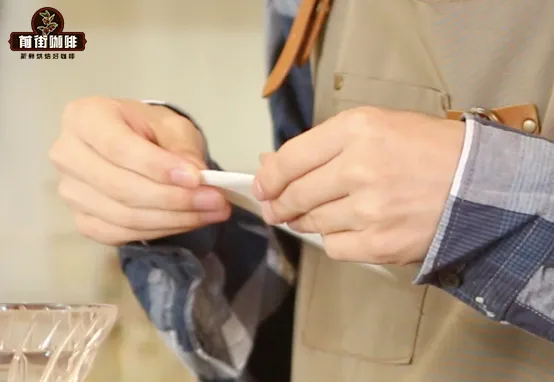
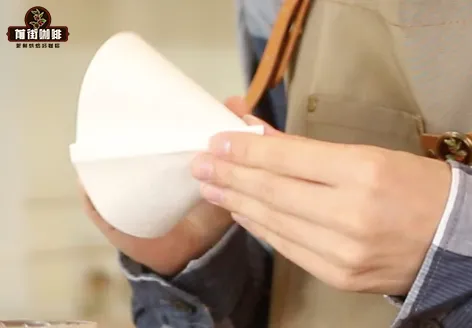
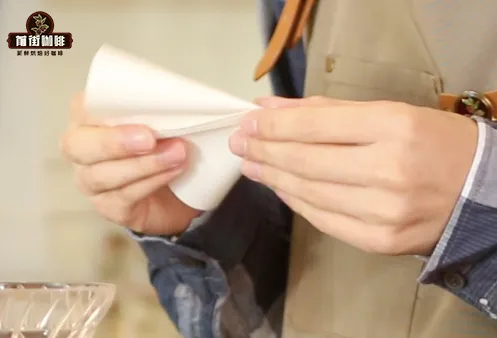
Next is the folding process of the filter paper. Most commercially available cone filters have a noticeable stitched edge on one side, which usually feels stiffer — this serves as our reference point for the first fold.Gently fold the filter paper along the seam once; this helps ensure symmetrical unfolding and placement later. After folding, carefully flatten the filter paper again in preparation for aligning the folds in the next step.
Once the filter paper is flattened, we need to precisely align the two side folds, paying special attentionto avoiding creating any additional folds at the cone base. Re-press the original two folds together, applying even pressure with your palm or fingertips to secure the creases. This ensures the filter paper won’t warp or curl upon being placed in the cone. Though this step may seem simple, it significantly affects the stability of the filter once inside the cone.
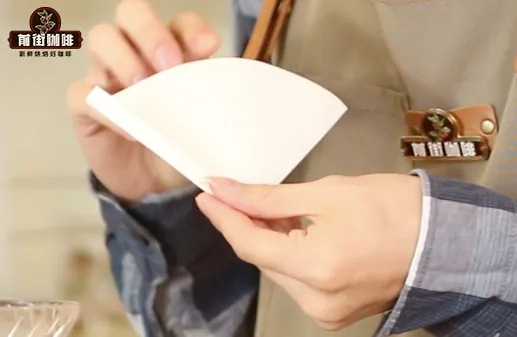
Next comes a step that is often overlooked but is very important:handling the raised seam at the cone bottom. This part usually sticks out slightly, and if placed directly into the cone, it may get caught on the flow-guiding ribs at the base, causing the entire filter paper to shift. It is recommended tofold this raised section inward along the cone’s angle. This helps prevent displacement or uneven pressure when inserting the filter into the cone.
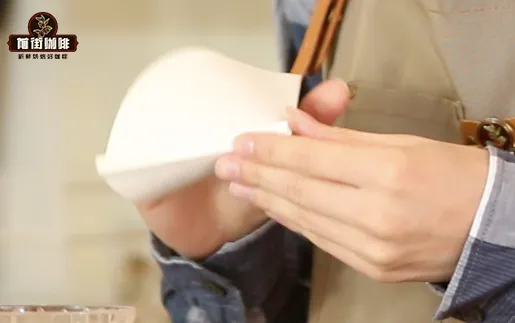
After the filter paper is properly prepared, the next step is to place it into the filter cone. When doing so, it’s advisable to gently press down on the edges of the filter paper to confirm that it adheres well to every part of the cone’s inner wall.If you notice any areas not fitting snugly, adjust the position of the filter paper slightlyuntil it lies flat without obvious gaps. This step directly impacts the subsequent securing of the filter and the control of brew flow rate.
After the filter paper is initially positioned, keep your fingers pressing the edges and then evenly wet the entire filter paper with hot water. This not only allows the paper to fully adhere to the cone, but also preheats the cone and pour over equipment, reducing heat loss during the brewing process. If you prefer to skip the wetting step, you could instead rely on the weight of the coffee grounds poured in afterward to naturally press down the filter paper to prevent curling, though this method demands higher operational stability.
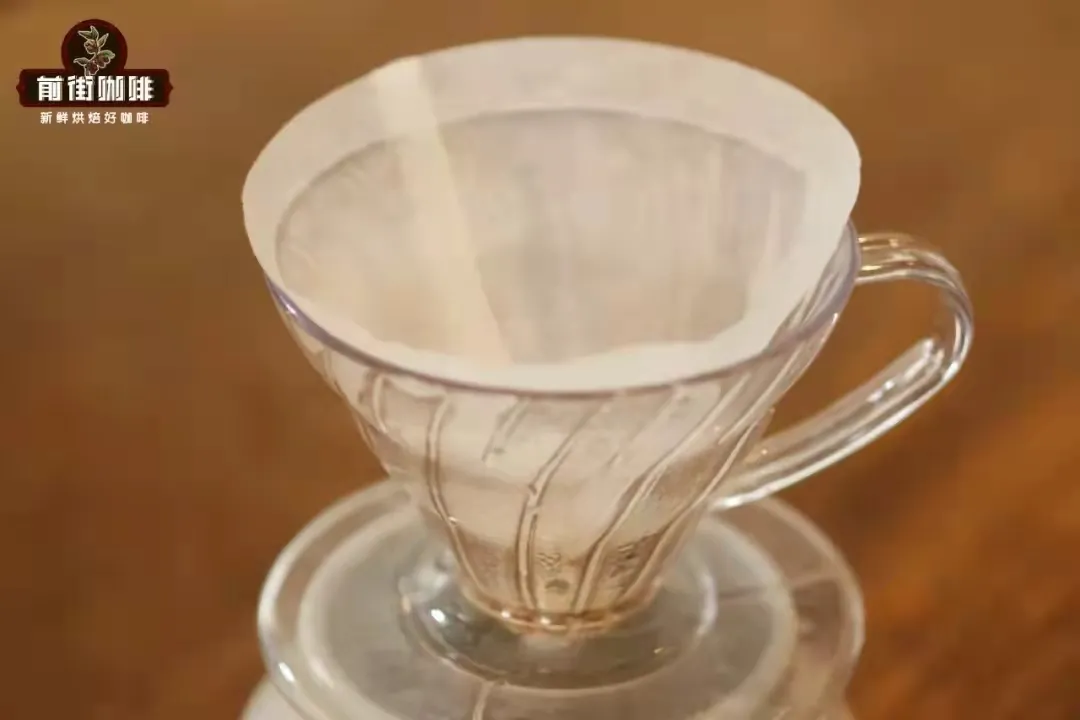
Additionally, sometimes you might observe the filter paper curling to one side and failing to lie flat after wetting, as shown in the image. This is usually caused by improper initial placement of the filter or slight manufacturing inconsistencies in the cone itself. While this situation may not immediately ruin the cup’s flavor, it can affect extraction stability and consistency in the long run.

In summary, the success of pour over coffee isn’t just about bean selection and grinding — it also hinges on mastering these small details. By correctly folding and fitting the filter paper, you can avoid interference during extraction, more accurately control water flow and brew time, and further enhance the overall coffee experience. Every careful step you take is for the sake of making that final cup in your hand even more perfect.
The above content is compiled by CoffeeHunters, a coffee news website.


