








Introduction:The pouring technique in pour over coffee is often regarded as an advanced skill, but in reality, simply mastering the size and speed of your pouring circle can noticeably alter the extraction efficiency and flavor profile of the coffee. This article delves into the key differences between large-circle and small-circle pouring, covering aspects such as puck thickness, water temperature control, and the role of the flow guide structure, to help you adjust your technique according to the roast level of the beans and achieve a more satisfying cup.
Many pour over enthusiasts have wondered why the same beans and the same coffee-to-water ratio can yield noticeably different flavors when brewed by different people. One of the key factors lies in the size and method of the pouring circle. Pouring in a large circle versus a small one not only affects how evenly the coffee grounds are saturated, but also alters the water flow path, puck thickness, and even the overall extraction temperature—ultimately shaping the direction of the final flavor.

For example, some brewers prefer to pour with a wider spread, keeping the stream close to the edge of the filter without disrupting the structure of the coffee bed—this is known as "large-circle" pouring. Others opt to focus on a smaller area, using a coin-sized center as the pivot for pouring within a limited radius, creating what’s called "small-circle" pouring. The most直观 difference between the two is the thickness of the coffee puck—the large-circle method tends to form a thinner puck, while the small-circle method results in a relatively thicker one.
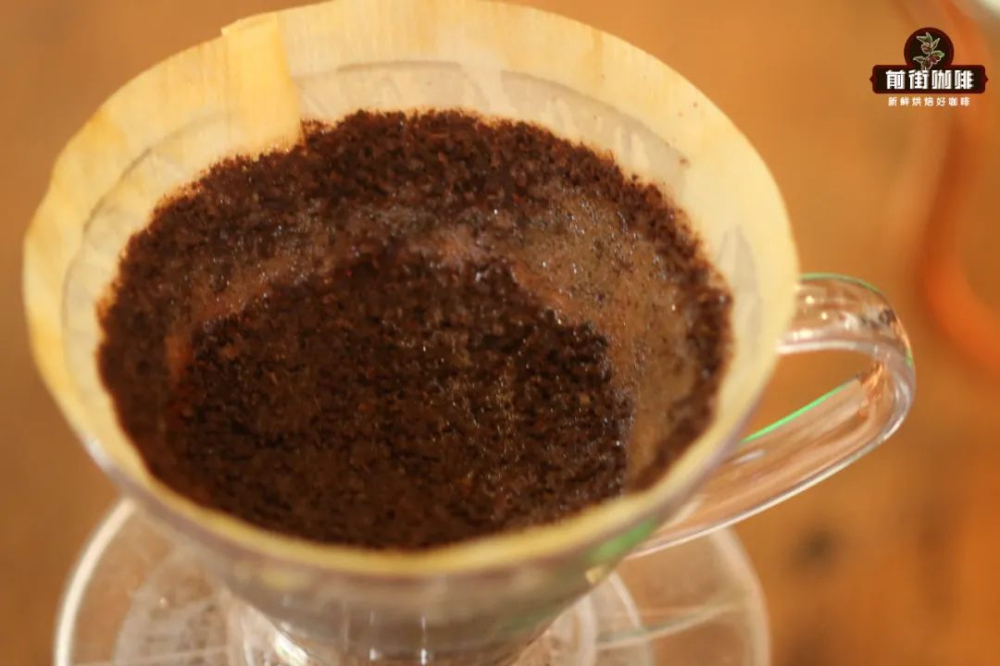
So, does the thickness of the coffee puck really affect flavor? The answer is yes. Large-circle pouring usually results in a brighter, more vibrant cup with lively acidity and softer layers of flavor, making it ideal for those who prefer a lighter-bodied taste. In contrast, small-circle pouring, due to its more concentrated contact with the coffee grounds, extracts compounds more efficiently, leading to a richer, fuller flavor with a longer-lasting aftertaste. This difference primarily stems from two technical factors: changes in water temperature and the role of the flow guide structure.
First, let’s talk about water temperature. When we use center-pouring or small-circle pouring, the water travels a shorter path and has less exposure to air, so the actual temperature of the water that reaches the coffee bed is slightly higher than with large-circle pouring—about 0.5°C warmer, on average. Furthermore, the larger the pouring arc, the more the water cools as it disperses into the air, resulting in a more noticeable temperature drop. Additionally, excessive stirring during pouring can further reduce the extraction temperature. Interested readers can try inserting a thermometer into the coffee bed to observe the actual temperature changes.
Second is the unique spiral flow guide structure of the V60 filter. This design helps direct the flow of coffee liquid in a specific direction, reducing the likelihood of blockages. Many beginners have heard the advice “don’t break the puck,” which refers to the concern that water might escape through gaps between the coffee bed and the filter wall, leading to uneven extraction. In fact, even if the puck isn’t completely breached, the flow guide will still channel some coffee liquid down the sides—this liquid, having had less contact with the coffee grounds, is considered “less fully extracted.” However, when this liquid mixes with the rest of the brew, it can actually contribute to a lighter, smoother mouthfeel.
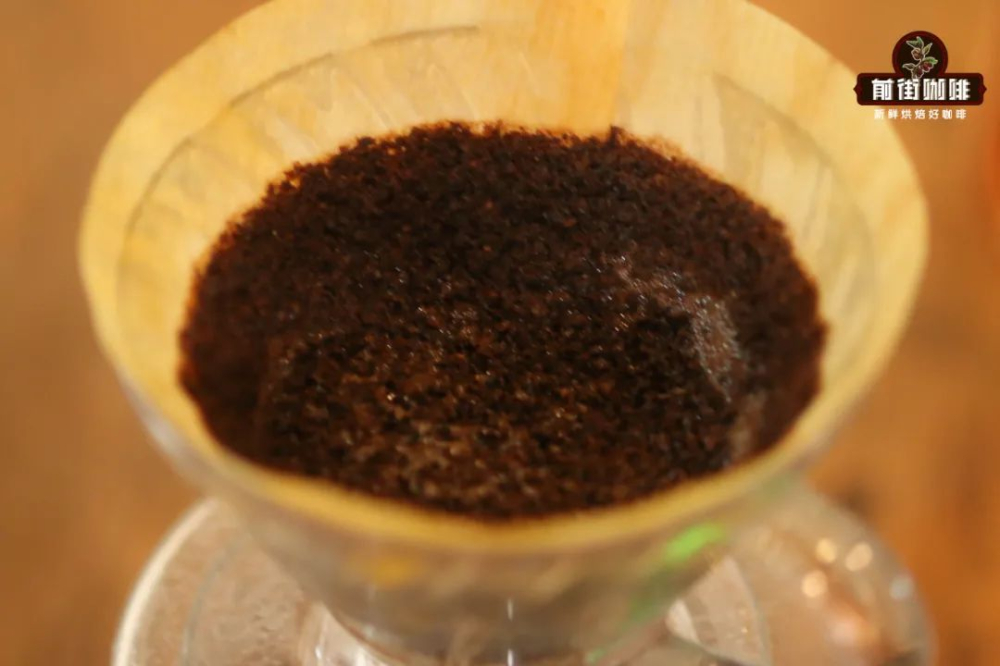
On the other hand, small-circle pouring, due to its concentrated application and longer contact time with the coffee bed, dissolves soluble compounds more comprehensively, resulting in a coffee that is more intense, fuller-bodied, and richer in layered flavors. Therefore, choosing between large-circle and small-circle pouring isn’t about one being absolutely better than the other—it depends on the flavor characteristics you wish to highlight.
For instance, if you’re brewing a light-roast coffee bean and aiming to highlight bright fruity acidity and vibrant aromas, consider using a large-circle technique during the first pour after the bloom. Start by pouring in a spiral motion from the center outward, similar to the shape of a mosquito coil, to evenly saturate the entire coffee bed. Once a layer of foam with consistent color appears on the surface, continue pouring in concentric circles with a radius of about two-thirds of the liquid surface. This approach can effectively enhance the clarity of the acidity and the overall refreshing quality of the cup.
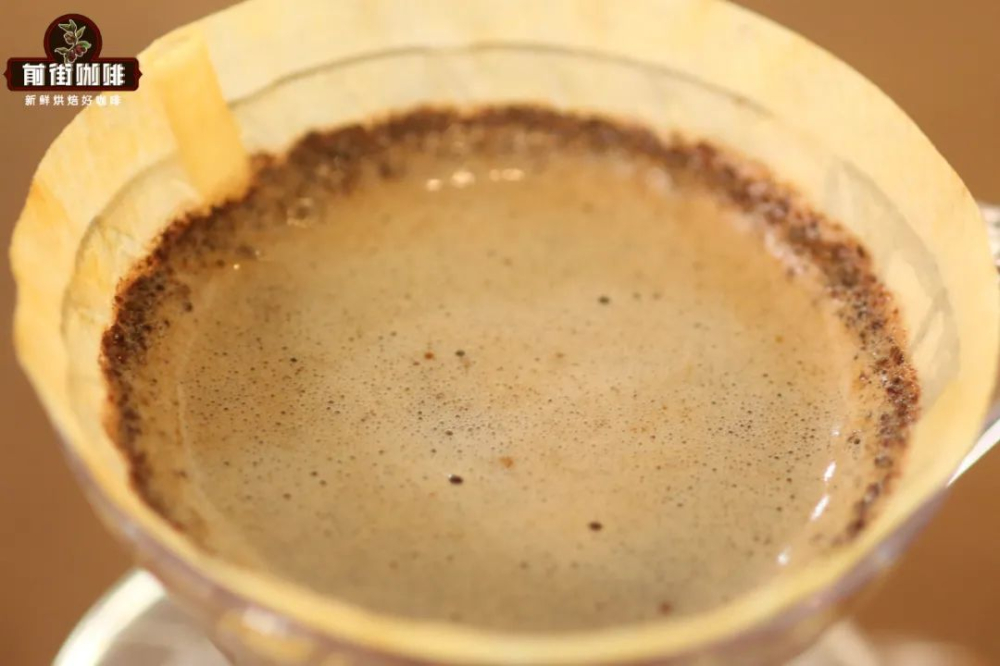
Conversely, if you’re working with a dark-roast bean and want to showcase a rich, full-bodied mouthfeel with a stable aftertaste, then a small-circle pouring strategy is recommended. Since dark-roast beans typically contain more gases, they tend to produce abundant foam early in the pour. It’s advisable to start pouring from the center and slowly spiral outward to a liquid radius of about half, maintaining that same circle size until the pour is complete. This method balances extraction uniformity with a robust flavor expression.
The above content is compiled by CoffeeHunters, a coffee news website.


