







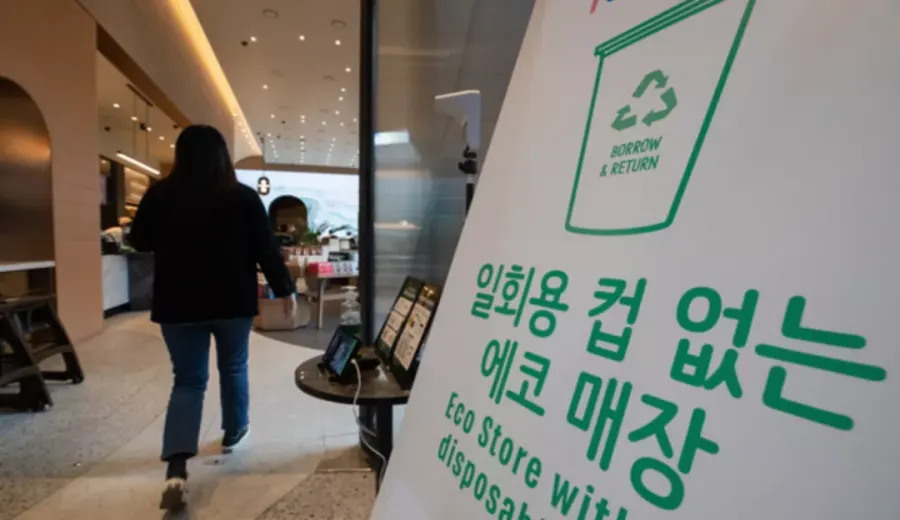
Introduction:The South Korean government has implemented a plastic reduction policy to curb plastic pollution, requiring cafes to charge an additional fee for disposable cups. This environmental measure has led to a general increase in the retail prices of freshly brewed and ready-to-drink coffee, with consumers bearing higher costs. This article delves into the cost-shifting mechanism behind the policy, explains the reasons for price changes, and explores possible future consumption choices and habit adjustments for consumers, helping you stay up to date with the latest developments in South Korea’s coffee market.
In recent years, the South Korean government has been actively promoting environmental policies, with the plastic restriction order being one of the focal points. To reduce plastic waste, the government now mandates that cafes charge customers for providing disposable cups, a regulation that has significantly impacted the pricing of both freshly brewed and ready-to-drink coffee on the market. Many consumers have found that buying a cup of coffee now not only involves paying for the drink itself but also an extra fee for the cup, leading to noticeably higher overall expenses.
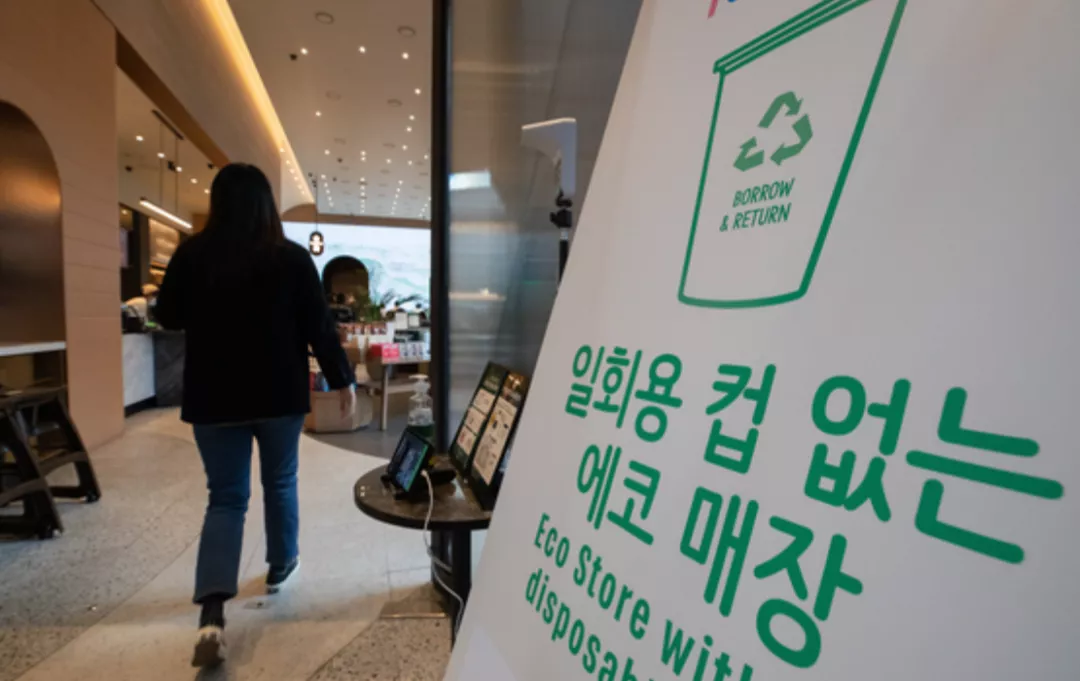
According to the policy, cafes can no longer provide disposable paper or plastic cups for free and must charge customers a certain fee per cup. Although this fee may seem small at first glance, it accumulates over time and creates pressure on daily coffee consumption. Particularly in urban areas, where many office workers are accustomed to buying takeout coffee daily, this additional expense can add up substantially in the long run.
For cafes, the plastic restriction order is not just a simple matter of passing on costs—it also involves planning and implementing alternative solutions. For example, some cafes have started actively promoting discounts for customers who bring their own cups or offering rental services for reusable eco-friendly cups. However, the promotion and management of these alternatives also incur additional costs, including cup cleaning, maintenance, and customer education, which ultimately get reflected in the final coffee prices.

Industry observers note that the implementation of the plastic restriction order has placed stricter environmental compliance requirements on South Korea’s coffee industry. Going forward, as the policy deepens, in addition to cup fees, fluctuations in the prices of raw materials such as coffee beans and milk may further affect retail prices. Many analysts predict that consumers may gradually need to adjust their drinking habits in the future—for instance, by bringing their own cups, choosing to dine in, or switching to more price-stable instant coffee products.
Additionally, when choosing coffee, consumers can also pay attention to the quality and flavor of the coffee beans to enhance the perceived value of each cup. For example, selecting single-origin beans from Central and South America or Africa, paying attention to their roast level and grind size to match different brewing methods—such as pour over, French press, or siphon—can all lead to a richer coffee experience.

For consumers who wish to gain a deeper understanding of coffee brewing techniques and bean varieties, there are also many professional resources available on the market. Whether you’re a beginner or a seasoned coffee enthusiast, you can find the coffee type and brand that best suits your taste through hands-on tasting and comparison.
In summary, South Korea’s plastic restriction order is not just an environmental policy—it has profoundly altered the economic model of coffee consumption and consumer behavior. From price adjustments to usage habits, this policy is gradually shaping a new normal for the future coffee market. By understanding the policy’s impact and market trends in advance, consumers will be better equipped to make informed purchasing decisions.
The above content is compiled by CoffeeHunters, a coffee news website.


