







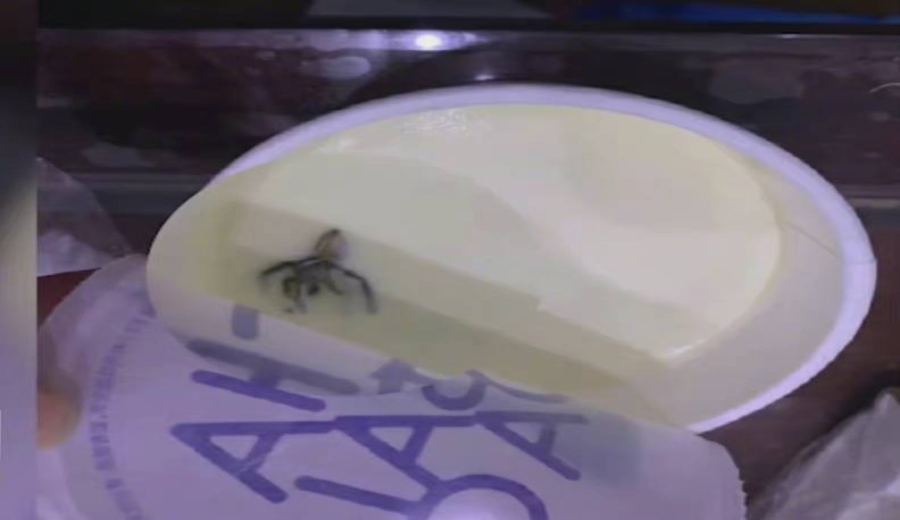
Introduction:The new-style tea brand Cha Bai Dao has once again been embroiled in a controversy over foreign objects in its drinks — this time, a cockroach was found in a cup of milk tea. This article delves into the dispute where a consumer sought compensation of one thousand yuan under the Food Safety Law but only received two hundred yuan, analyzing the gaps in staff training and food safety management amid the chain brand’s rapid expansion, and offering practical advice for consumers on safeguarding their rights and identifying drink safety issues.
Recently, the well-known new-style tea brand Cha Bai Dao has frequently made headlines due to “major foreign objects” appearing in its beverages. From the earlier “real spider milk tea” incident to the subsequent nail clipper case, and now the report of a cockroach found in milk tea, these have sparked widespread consumer concern over beverage hygiene and food safety. These incidents come at a time when Cha Bai Dao is preparing for a Hong Kong IPO, leading outsiders to question whether its food safety management is up to standard, and even sparking discussions about frivolous compensation claims.
According to the latest reports, a consumer surnamed Huang ordered a cup of Cha Bai Dao’s Soybean Milk Jade Qilin Milk Tea via a food delivery platform on January 7. After drinking about one-third of the drink, he noticed a black object attached to the straw. Upon closer inspection, it turned out to be a cockroach. Photos released show the black object mixed with milk foam and soybean milk powder, and although the low image quality makes it difficult to confirm 100%, Mr. Huang insists that it was indeed a cockroach.
After the incident, Mr. Huang immediately filed a complaint with the ordering platform and, in accordance with Article 148 of the Food Safety Law, demanded compensation of one thousand yuan from the store. However, the involved Cha Bai Dao outlet was only willing to refund the cost of the drink and offer an additional two hundred yuan in compensation, far less than what the consumer had requested. Mr. Huang considered this handling extremely unfair, stating that he had kept the problematic drink as evidence, and if the store doubted his motives, the drink could be sent for testing.
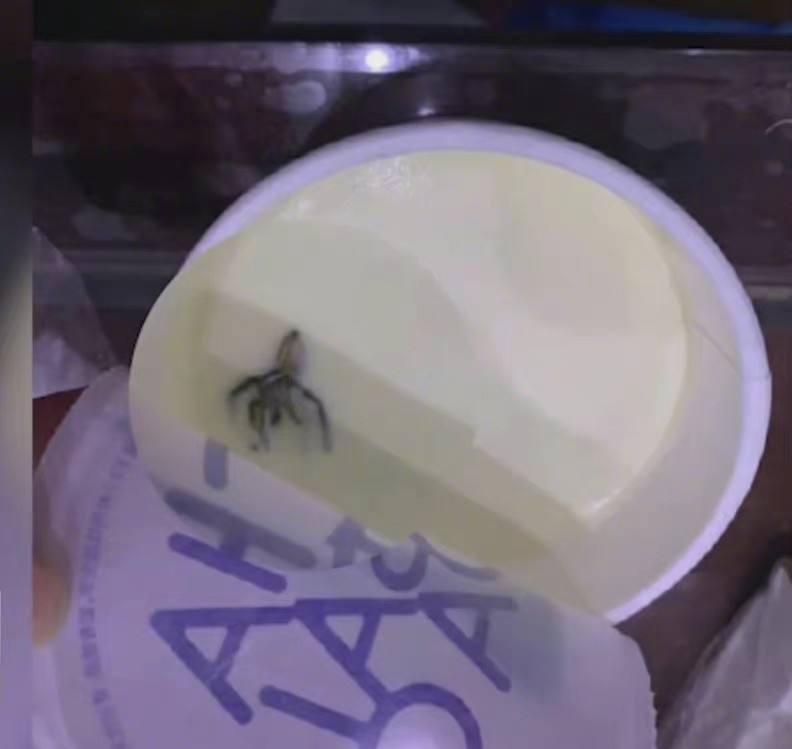
This incident is not an isolated case. Within just the first 13 days of January 2023, Cha Bai Dao was exposed for finding a nail clipper in a fruit tea, followed by the current cockroach-in-milk-tea case. The frequent appearance of such “major foreign objects” raises questions about whether there are management loopholes in Cha Bai Dao’s production process or whether employee training has failed to keep pace with the brand’s rapid expansion.
It is worth noting that Article 148 of the Food Safety Law clearly stipulates that if a consumer suffers harm from food that does not meet food safety standards, they can demand compensation for losses from the operator, and may claim ten times the price paid or three times the amount of the loss, with a minimum of one thousand yuan. While this clause is intended to protect consumer rights, some view it as a loophole that may be “abused.”
From an industry perspective, chain tea brands often face challenges such as high staff turnover and insufficient training time during expansion. This may lead to a decline in the standardization of production processes, increasing the risk of foreign objects being mixed in. For consumers, if a foreign object is found in a drink, it is recommended to take photos as evidence immediately, retain the packaging and any remaining drink, and file a complaint through official channels, while rationally safeguarding one’s own rights.
The response attitude of Cha Bai Dao to such incidents has also sparked discussion. Some observers have noted that the brand seems to have gradually become accustomed to such complaints, no longer actively clarifying or explaining improvement measures. This evasive stance may further erode consumer trust. For the entire tea drink industry, how to balance rapid expansion with quality control will be key to maintaining market recognition in the future.
The above content is compiled by CoffeeHunters, a coffee news website.


