








Introduction:When post offices, beauty brands, and even temples start selling coffee, cross-industry ventures have become a common phenomenon in the coffee industry. But does such a shift really compromise coffee quality? This article explores the real impact of cross-industry coffee from multiple perspectives—including consumer needs, market dynamics, and brand strategies—while also examining how traditional and specialty coffee shops can survive. Whether you're an industry insider or an enthusiast, you’ll gain a clear understanding of the current state of the coffee business.
In recent years, from postal services to beauty brands, traditional fashion retailers to religious venues, a wide range of businesses have entered the coffee market, sparking a wave of cross-industry enthusiasm. While such transitions attract attention, they also come with skepticism: can outsiders make good coffee? Will it affect overall quality? In reality, these concerns aren’t entirely justified.
Take post office coffee, for example. When a state-owned enterprise announced its entry into the coffee market, online voices were quick to question the move, arguing that it should focus on its core business rather than venture into what’s seen as an “outsider” beverage category. And it’s not just the post office—beauty, fashion, pharmaceutical, and even temple-launched coffee products have all faced similar doubts and online backlash. The general public often believes that if you don’t understand coffee, you shouldn’t try to cash in on it.
However, cross-industry ventures are nothing new. For consumers, these novelty experiences happen to meet their desire for something fresh and fun; for brands, it’s a strategy to expand market reach and increase customer engagement. Notably, most cross-industry brands don’t treat coffee as their core business but rather as a supplementary tool—to attract foot traffic, generate buzz, and ultimately enhance their overall brand image.
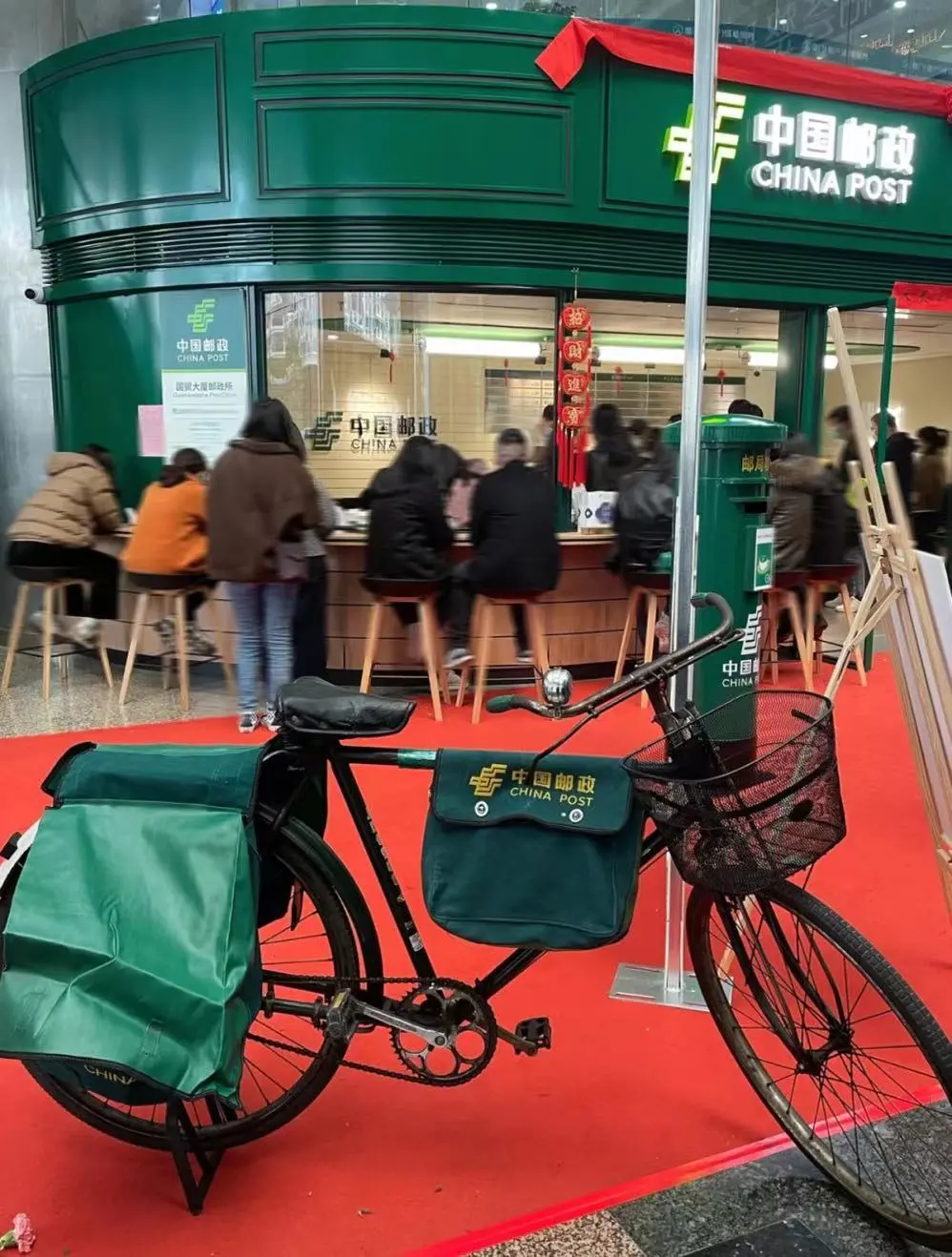
Some critics argue that cross-industry coffee lowers overall quality and even damages the image of specialty coffee. But the truth is, for most average consumers, the coffee from these outlets is affordably priced, offers a photo-friendly environment, and delivers flavors that are acceptable. Whether it’s strong or light is a matter of personal preference—there’s no need to judge it all by professional standards.
From a consumer behavior standpoint, people walk into coffee shops not just to drink coffee but more often to find a space to relax and linger. Cross-industry brands use coffee as a draw to get customers to stop by, thereby increasing brand exposure and interaction. Even without cross-industry coffee, the market still has various brands with different positioning, catering to diverse consumer needs.
For those who truly love coffee and seek professional flavor profiles, specialty coffee brands consistently uphold rigorous standards—from bean selection and roast profiles to brewing parameters—delivering a more nuanced and expressive coffee experience. While cross-industry coffee may not meet such high standards, it has successfully drawn more people into the world of coffee and even inspired some consumers to explore its depths further.
In the fiercely competitive coffee market, there are no permanent winners. Whether it’s a specialty-focused shop or a cross-industry brand, each needs to build its own “moat” to stand firm in the market. This requires not only continuous optimization of product and service, but also keen insight into market trends and consumer demands. Otherwise, relying solely on temporary hype and traffic won’t secure long-term success.
In conclusion, the rise of cross-industry coffee reflects both market vitality and the diversification of consumer needs. It may not be the best choice for everyone, but it undeniably brings new possibilities to the broader market. For those who truly know and love coffee, the choice is always in their hands—the key is finding the cup that best suits their taste and values.
The above content is compiled by CoffeeHunters, a coffee news website.


