








Introduction:Mastering the pulse pouring technique in pour over brewing can effectively enhance the complexity and balance of coffee flavors. This article uses washed Yirgacheffe as an example to detail the water distribution (65g each) in the front, middle, and back stages of the three-pour method, and analyzes the flavor profiles at each stage—such as the intense acidity in the front, the berry and honey notes in the middle, and the delicate floral tones in the back. Through comparative tasting, it guides how to adjust pouring ratios, avoid off-flavors, and enhance sweetness and juiciness, making it applicable for optimizing the brewing of various coffee beans.
During the pour over brewing process, how to properly allocate the water volume at each stage is one of the key factors influencing the final flavor presentation. A practical approach is to divide the entire extraction process into front, middle, and back stages, collecting and tasting the coffee liquid from each stage separately. By comparing their flavor differences, you can find the most suitable pouring ratio and adjustment direction for the current coffee beans.
This article uses washed Yirgacheffe as an example, employing the three-pour technique with 15g of coffee grounds, demonstrating the process of pouring 65g of water in three stages after the bloom. Through actual tasting, it was recorded that the front-stage coffee liquid exhibited an intense and acidic style, similar to concentrated fruit juice, but due to its higher concentration, the acidity might come across as rather sharp; the middle stage showcased a softer berry-like sweet and sour profile, accompanied by honey-like aromas; by the back stage, the coffee liquid’s concentration had noticeably decreased, with the flavors becoming more subtle, yet still capturing delicate floral and tea-like notes, occasionally mixed with slight woody undertones.

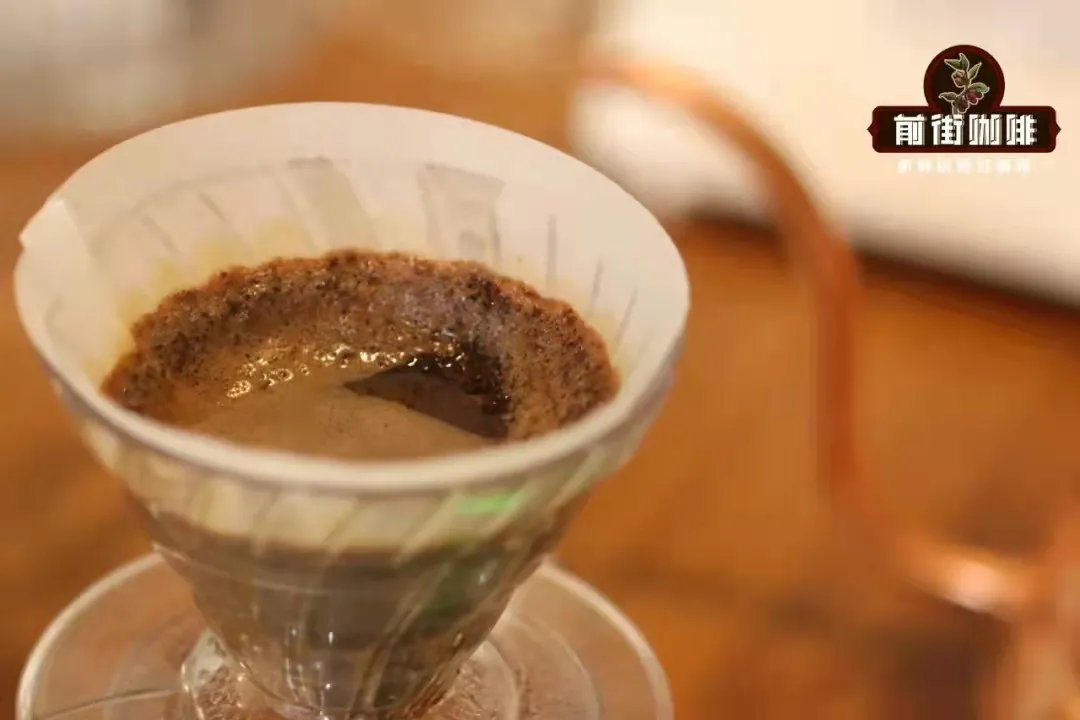
In practice, it is recommended to prepare three server pitchers to collect the coffee liquid from the front, middle, and back stages respectively. The specific steps are as follows: first, weigh out 15g of coffee grounds and pour 30g of water for a bloom lasting about 30 seconds; then proceed with the first pour, adding 65g of water, and once the coffee liquid in the filter has completely dripped into the first server pitcher, switch to the second server pitcher and perform the second 65g pour; after the second pour’s coffee liquid has finished dripping, switch to the third server pitcher and pour the final 65g of water until the coffee liquid has completely filtered through, marking the completion of the entire brewing process.
By tasting these three stages of coffee liquid, you can intuitively assess the flavor performance at each stage and accordingly adjust your subsequent pouring strategy. For example, if you find the back stage to be weak in flavor or exhibiting undesirable off-notes (such as a woody sensation), you might consider reducing the water volume in the back stage while appropriately increasing the middle stage’s pour. Such adjustments not only help effectively avoid potential negative impacts from the back stage but also further enhance the juice-like sensation and sweetness in the middle stage, resulting in a more balanced and enjoyable overall flavor.
It is important to note that coffee beans from different origins, processed differently, or roasted to varying degrees will have distinct flavor characteristics. Therefore, the flavors presented at each stage may vary in actual practice. This method of segmented pouring and tasting not only helps coffee enthusiasts systematically understand the coffee’s performance at different extraction stages but also precisely identifies flavor highlights and areas needing optimization, thereby gradually adjusting to the most suitable brewing parameters for that particular bean.
In summary, the three-stage pouring method is not just a brewing technique, but also a tool for flavor exploration. Whether you’re a beginner or a seasoned coffee lover, you can use this method to gain a deeper understanding of the coffee extraction process, optimize your brewing strategy, and ultimately brew a pour over coffee with rich flavor layers and excellent balance.
The above content is compiled by CoffeeHunters, a coffee news website.


