







Introduction:The South Korean government recently announced plans to gradually ban the display of wild animals in non-zoo settings, including controversial wildlife cafes. There are currently 159 such establishments nationwide, which are expected to be completely shut down after a 3–4 year transition period. Behind this policy is a reflection on how pet-themed dining, while popular, also brings multiple challenges related to animal welfare and public health. This article delves into the impact these cafes have on animals, as well as the reflections consumers should have while enjoying novel experiences.
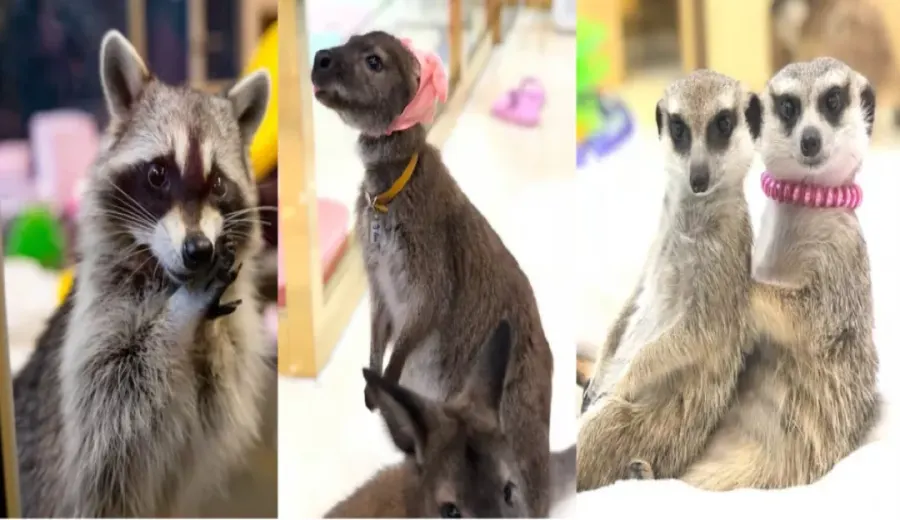
The South Korean Ministry of Environment recently announced a major decision to comprehensively prohibit the display of wild animals in commercial venues outside of zoos, in order to further implement animal welfare policies. This move will directly affect 159 wildlife cafes across the country, which attract a large number of customers seeking unique experiences by showcasing wild animals such as raccoons, meerkats, servals, and owls.
According to the latest policy plan, if the relevant bill is successfully passed, these wildlife cafes will be given a grace period of 3 to 4 years to adjust, after which they must cease operations. The animals kept during this period—including various species not naturally suited to living in artificial environments—will be gradually transferred to the Korea National Ecological Institute or designated zoos to receive more professional care and protection.
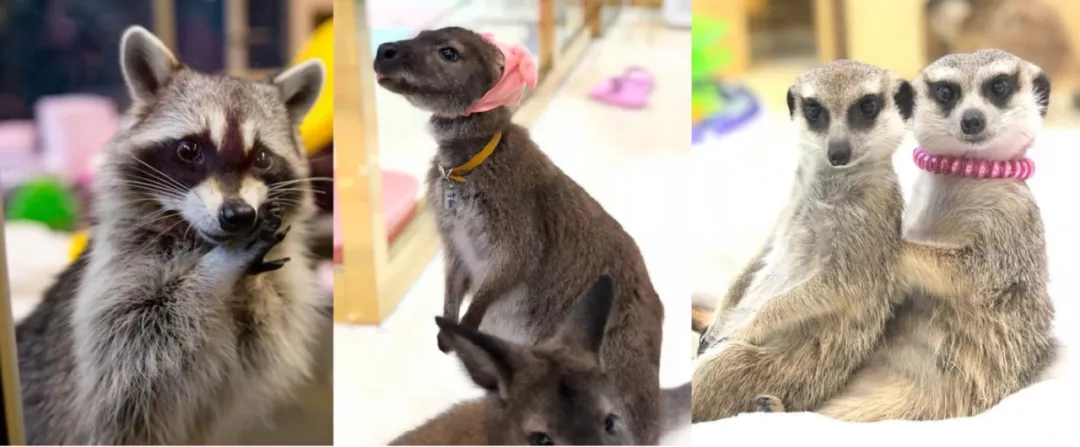
In fact, wildlife cafes are not limited to South Korea but are also quite popular in other Asian regions such as Japan, China, and Thailand. Customers can observe or even interact closely with special animals such as raccoons, hedgehogs, alpacas, otters, and lizards in these dining spaces. However, this model of close interaction with animals often hides many problems.
In small, artificially controlled indoor environments, these animals are forced to be in prolonged contact with large crowds, with severely restricted movement space, lack of necessary hiding places, and even basic rest time not being guaranteed. Constantly being watched, touched, and played with leads them to easily develop issues such as excessive stress, sleep deprivation, obesity, nutritional imbalance, and even behavioral problems like aggression or emotional depression.
In addition to threats to the physical and mental health of the animals, the hygiene conditions of such venues have also been repeatedly criticized. Many consumers who have visited these places report that the air inside is often filled with strong animal odors, and animal hair can occasionally be seen on tables and utensils. There have even been incidents where animals jumped onto dining tables, knocked over drinks, or directly ate food, greatly affecting the dining experience and food safety.
Moreover, due to the varying natures of these animals, many customers are often only attracted by their cute appearances but overlook their potential defensive instincts and aggressiveness. Since some establishments do not clearly regulate customer behavior, incidents of animals being mistakenly touched, startled, or even attacking people are not uncommon. Even worse, media outlets have exposed cases where operators, lacking relevant knowledge, failed to provide proper care, with some even suspected of animal abuse.
Previously in Taipei City, Taiwan, there was a report of an animal cafe being accused of its owner abusing a raccoon. A former employee publicly released footage of the owner setting a dog on the raccoon, causing an uproar in society. Although the involved establishment later issued an apology and claimed it was due to “lack of experience” and “not understanding raccoon behavior,” the incident still drew public attention once again to the ethical and management issues behind such commercial practices.
It is worth noting that even if no obvious abuse occurs, keeping wild animals, which should live in natural habitats, in artificial environments for extended periods is itself a disruption to their natural behaviors. Whether in residential spaces or commercial venues, it is very difficult to truly recreate the habitat conditions that wild animals need, let alone provide the same level of conservation and management as zoos.
Therefore, in the face of this type of consumer model that uses animals as a “gimmick,” in addition to expecting the government to improve regulations and strengthen inspections, consumers should also reflect: if there were no market demand, would these animals need to be forced to live in environments unsuitable for them? While pursuing novelty and photo-worthy spots, should we also take more responsibility and show more respect for animal welfare?
The above content is compiled by CoffeeHunters, a coffee news website.


