







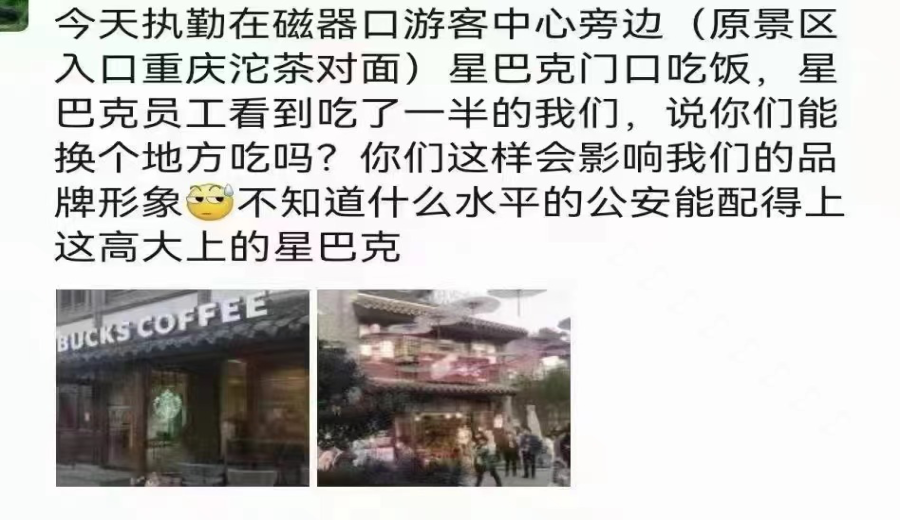
Introduction:Starbucks recently stirred up a major controversy after an incident in which one of its Chongqing outlets reportedly asked police officers to leave. This was followed by price adjustments on some beverages and food items, with increases of 1 to 2 yuan for items such as Americano and Latte. This article provides an in-depth analysis of the full scope of the incident, explores the brand's challenges in public opinion and shifts in business strategy, and offers practical information of interest to consumers to help them understand the developments and market trends.
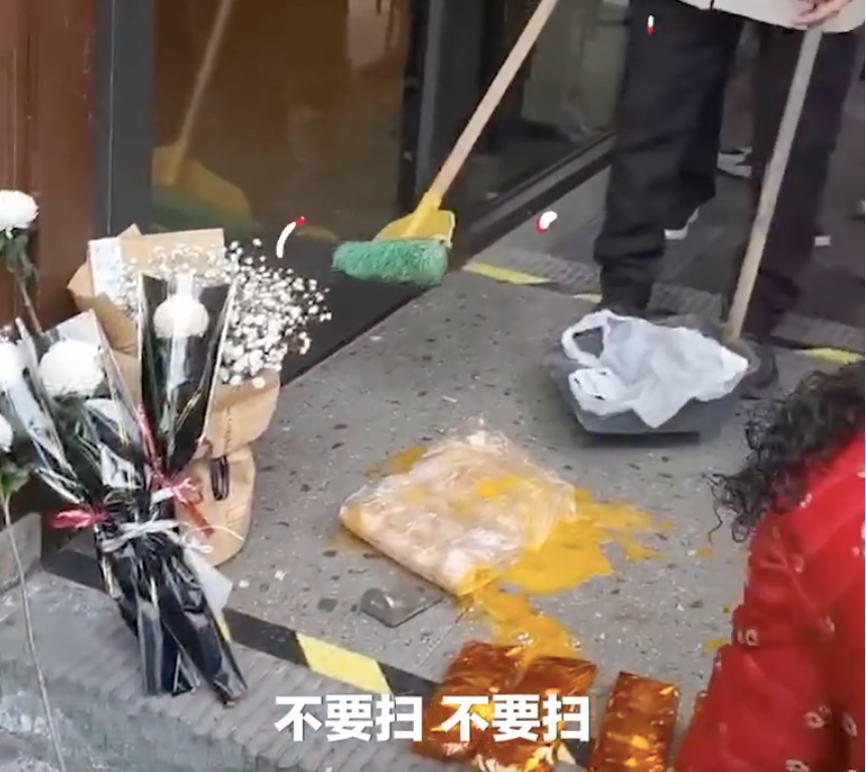
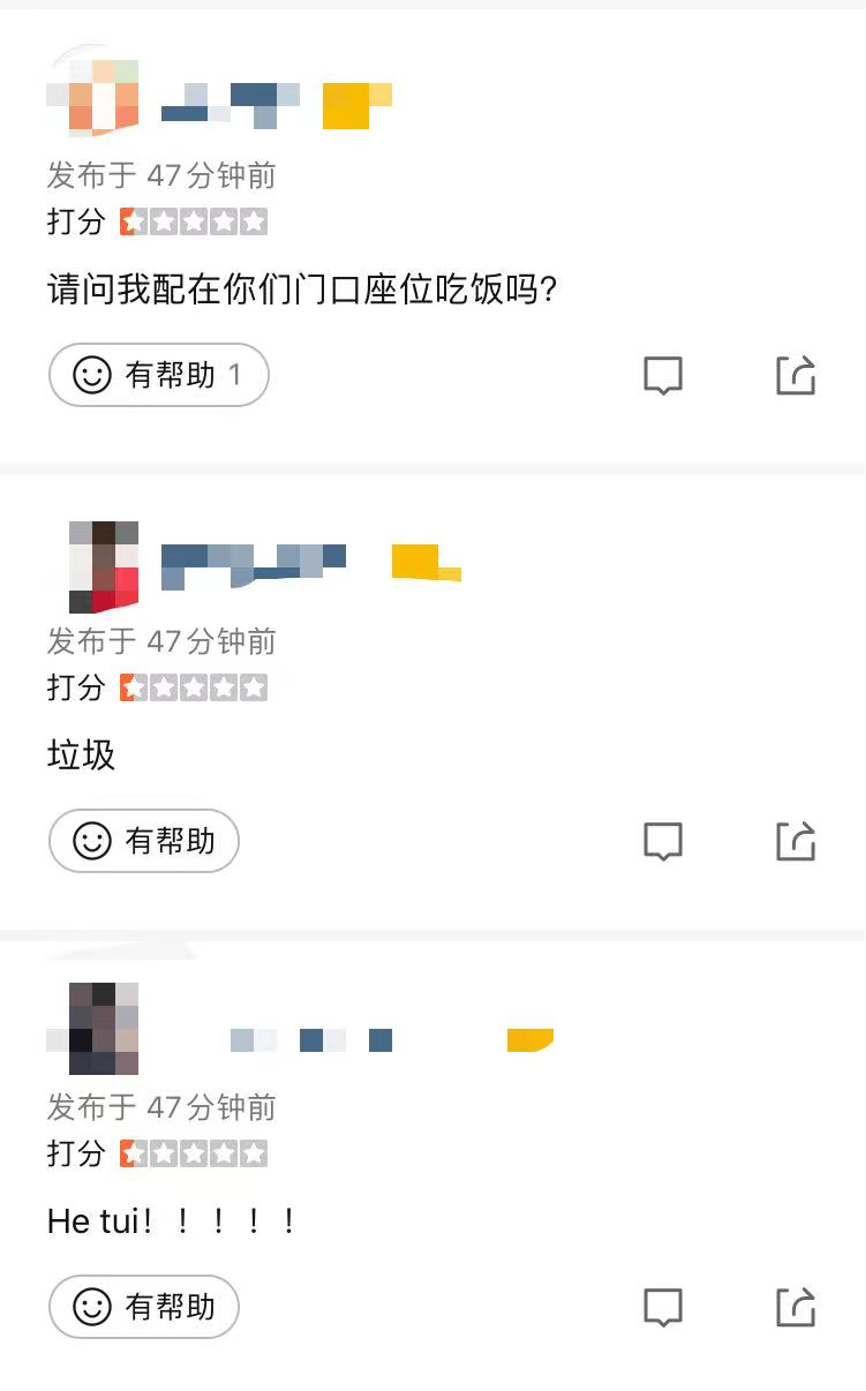
Starbucks has recently been embroiled in multiple controversies. It all started when a Chongqing Ciqikou outlet was accused of asking police officers having a meal inside the store to leave, sparking widespread social discussion and negative public sentiment. After the incident came to light, members of the public visited the involved outlet to express their dissatisfaction, including actions such as laying white flowers and throwing eggs, with related images widely circulated online. Meanwhile, the review section of the Dianping platform also saw a surge of negative comments, dealing a significant blow to the brand's image.
Notably, while the public outcry was still ongoing, Starbucks China quietly adjusted the prices of some products. A number of popular drinks, such as Americano and Latte, saw price hikes of 1 to 2 yuan. For example, the large Americano, previously priced at 28 yuan, has been adjusted to 30 yuan. According to information on Starbucks’ official app, the price changes affect multiple food and beverage items. A brand customer service representative responded that this move was based on a comprehensive assessment of operational costs, with the aim of maintaining service quality and operational stability.
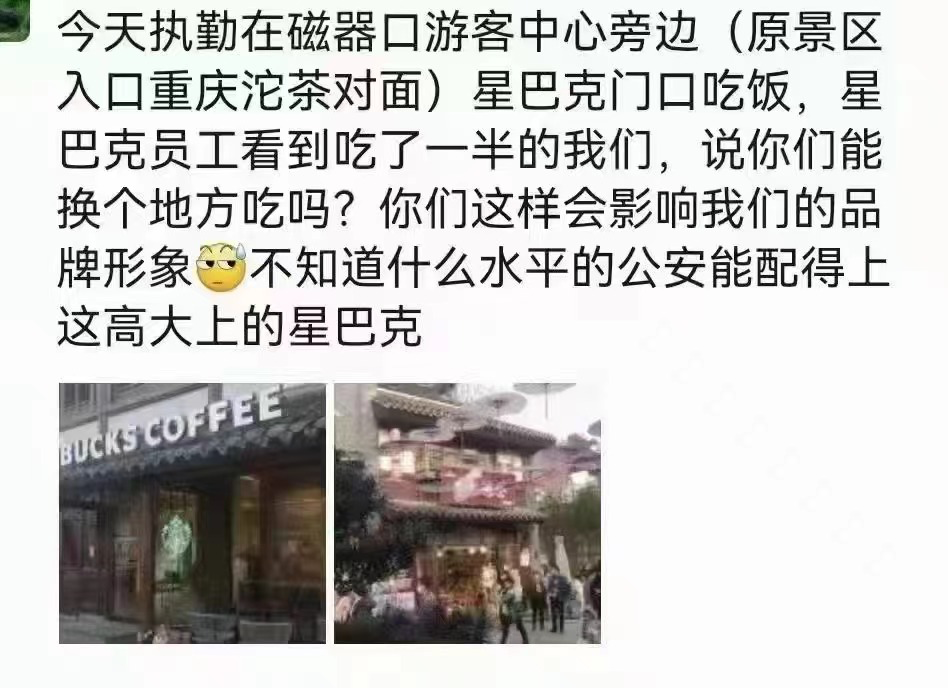
Looking back at the origin of the incident, a screenshot from a social media post showed that employees at a Starbucks outlet in Chongqing asked police officers who were eating takeout food inside the store to leave, citing “impact on the brand image.” Although cafes generally allow customers to eat, meals with strong odors are often restricted. The incident sparked heated discussions on social media, with netizens questioning Starbucks’ handling of the situation.
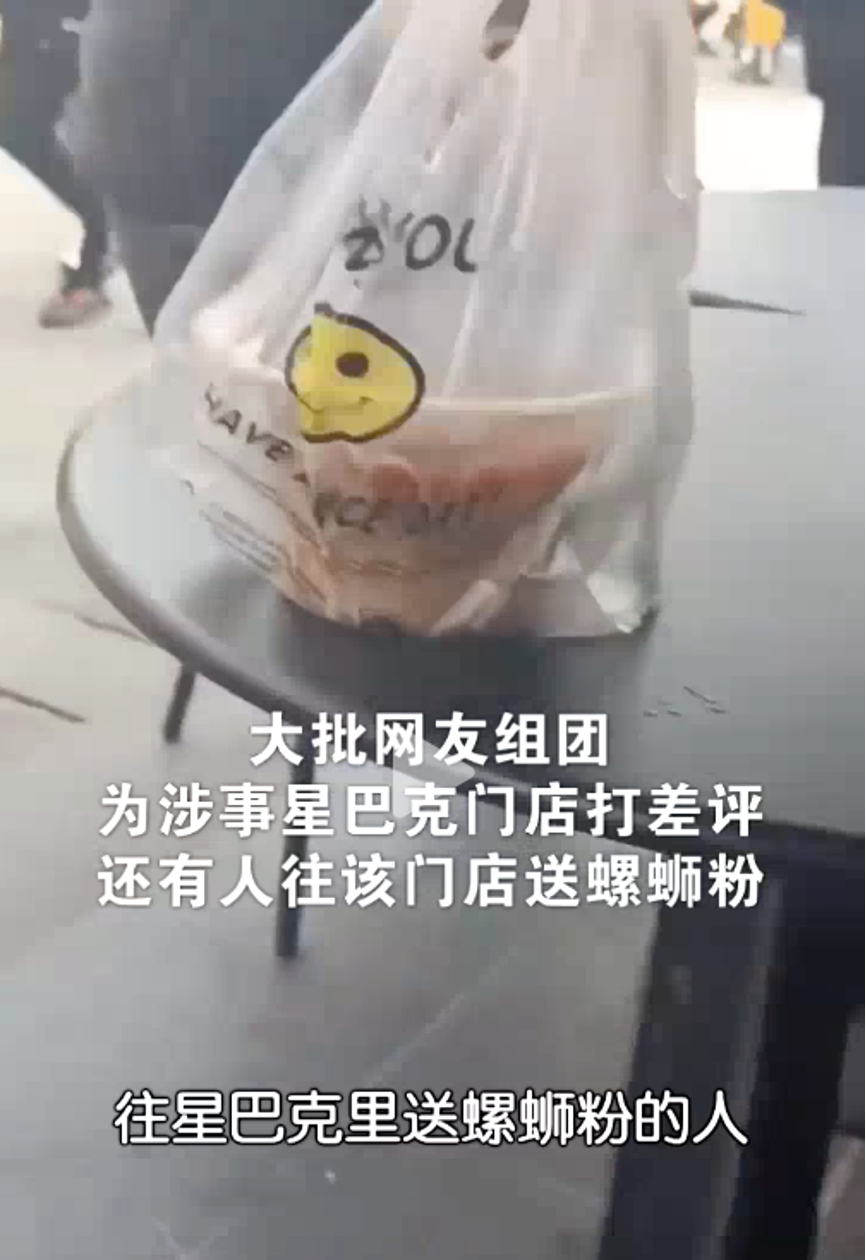
Starbucks China issued a response via its official Weibo account on the evening of February 14, but many netizens were unconvinced. According to on-site reports, the involved outlet temporarily suspended operations on the day the response was issued before resuming business later.Online videos showed people deliberately going to the outlets to deliver strongly scented foods such as luosifen (river snail rice noodles) and placing white flowers to express protest.
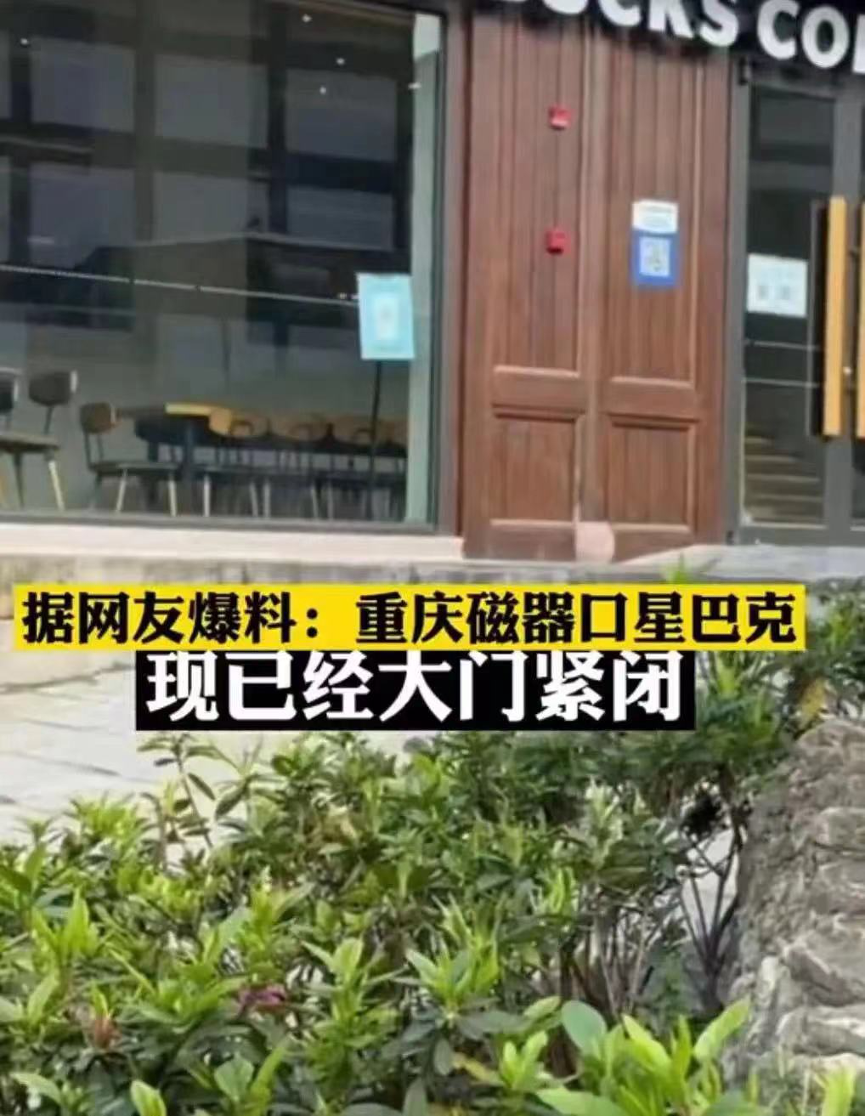
Surveillance footage from February 15 captured citizens laying white flowers at the store entrance and throwing eggs on the ground. In the footage, when store cleaning staff attempted to clean up the scene, they were stopped by members of the public who shouted “Don’t sweep it away!” While some netizens viewed such actions as “satisfying,” it also sparked discussions on whether such extreme behavior was appropriate. There were also opinions pointing out that such actions might involve legal disputes.
Faced with an overwhelming wave of negative comments, some observers believe that the frontline store employees are actually innocent, and that excessive protests only add to their workload and affect normal operations. At the center of the舆论 storm, Starbucks, aside from issuing a statement, seemed to make no further response to online comments or the crowds gathering on-site.

Notably, on February 16, media reports indicated that some Starbucks products had undergone price adjustments, and the pricing process appeared to have not been widely communicated to consumers in advance. An employee at a Shanghai outlet revealed that they did not receive any prior notice on the day of the price change, yet prices were altered. According to official data, the price adjustment mainly targeted key products such as Americano and Latte, with increases generally ranging from 1 to 2 yuan.
In fact, as early as early February, Starbucks had signaled that it would gradually raise product prices over the next few months to cope with rising global raw material costs and inflationary pressures. Although it was not explicitly stated at the time whether this included the Chinese market, the recent price adjustments show that Starbucks China has aligned with the global strategy.This price adjustment comes at a time when the brand is facing serious public scrutiny, and the market is watching to see whether it can strike a balance between operational pressures and consumer trust.
Overall, Starbucks is currently dealing with both a public relations crisis and business adjustments, and the challenges are not to be underestimated. From the police-officer expulsion controversy at the Chongqing outlet to the nationwide price hikes, the brand faces dual tests in market strategy and public relations management. Whether consumers will continue to support this once “top choice for coffee” will be a key indicator reflected in market feedback.
This incident also serves as a reminder to the industry that brands need to handle sudden public relations events with greater caution and thoroughness, and that pricing strategies should be accompanied by adequate communication and transparency to maintain customer loyalty and market confidence. Whether Starbucks can turn the tide and regain market favor in the future remains something to watch closely.
The above content is compiled by CoffeeHunters, a coffee news website.


