








Introduction:The golden, fine crema on the surface of an espresso is often seen as a symbol of a successful extraction, but in reality, this layer of oils is both aromatic and controversial in taste. This article delves into the science behind crema’s formation, its flavor characteristics, explores its impact on the overall coffee experience, and offers practical advice on whether to keep or remove it—based on expert insights and real tasting experiences—to help you better understand the layers and choices in espresso.
For those who enjoy drinking espresso, the thin, golden, delicate layer of oil floating on top of the coffee is certainly familiar—that’s what we call crema. Many consider it the soul of espresso, believing it carries the most captivating aromas and depth of flavor. However, those who have actually tasted this layer often react with surprise—because its flavor is often bitter, burnt, and even coarse or gritty.
This gap between appearance and taste leads many to wonder: is this seemingly premium crema an enhancement to the coffee’s flavor, or should it be scraped off? More importantly, does consuming it have any impact on your health? We’ll take you through a fresh understanding of this “facade” of espresso—from sensory experience, scientific principles, and expert observations.
Pick up a freshly made espresso, and you’ll often see a fine, golden layer of oil covering the surface, like a thin film floating atop the dark brown coffee liquid, almost beckoning you to take a sip.This layer of oil is crema, primarily formed by a mixture of carbon dioxide, tiny coffee particles, and insoluble oils.It looks enticing and is often regarded as an indicator of coffee freshness and extraction quality.

But when you actually scrape off this layer of crema with a spoon and taste it, you’re likely to frown immediately—its flavor is much more bitter than you’d expect, sometimes with a distinct burnt taste, and even harder to drink than the coffee beneath it. One coffee enthusiast described the first time they tried crema alone as feeling like “drinking a sip of burnt wood chips,” so bitter it induced coughing.
Dr. Tanebe Yukihiko, a coffee research expert from Kyoto University in Japan, once pointed out: “From my observations, removing the crema from the surface of espresso usually significantly reduces those unpleasant off-flavors and overly intense bitterness.” Meanwhile, James Hoffmann, the 2007 World Barista Championship (WBC) champion, also stated: “Although crema is visually appealing, it doesn’t actually taste that great. If you remove the oils from the top of an Americano, the flavor is actually better.”
So, how exactly is this love-it-or-hate-it crema formed? Simply put, during high-pressure extraction, coffee grounds release a large amount of carbon dioxide. These gases mix with the oils and fine particles in the coffee, forming an unstable emulsion. This also includes very small coffee particles, which are the main culprits behind crema’s bitterness and rough mouthfeel.
For those not accustomed to drinking espresso, the first encounter with a shot rich in crema can cause noticeable discomfort, including intense bitterness, a gritty sensation, and even throat irritation. In contrast, if you scrape off the crema before drinking, the overall mouthfeel usually becomes smoother and cleaner, with a significant reduction in bitterness.
However, many people are particularly fond of crema, precisely because of its contribution to aroma. Espresso with crema indeed offers a more layered olfactory experience, with richer fragrance—especially when freshly poured, that hot coffee aroma often makes you want to take a deep breath. Additionally, the aftertaste after swallowing is also more pronounced due to the presence of crema.
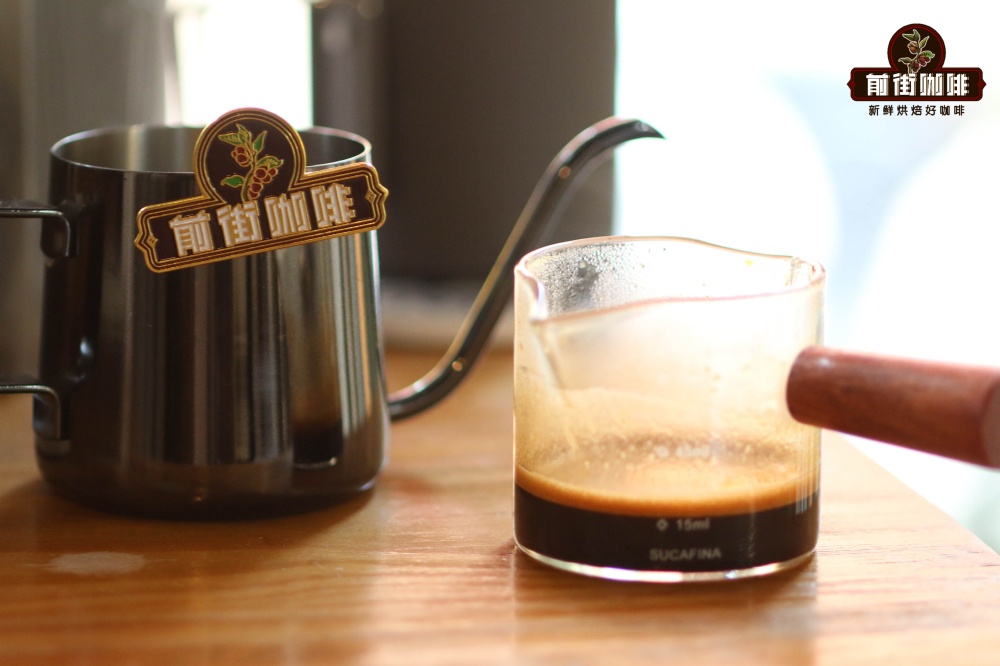
When ordering espresso at a café, most customers still expect to see a cup with a fine layer of oils, as this usually signifies that the coffee beans are freshly roasted, the extraction parameters are well-executed, and the service speed is ideal. The appearance and texture of crema can serve as one of the indicators of whether the espresso has been well extracted.
In summary, crema is part of the espresso, but it’s not a component that must be consumed. You can choose to stir it into the coffee liquid, allowing the aroma and taste to blend; or you can gently scrape it off with a spoon to enjoy a cleaner, less gritty coffee essence. Whatever your choice, it should be based on your flavor preferences and understanding of coffee.
Just as one coffee brand insists when serving espresso: they pay attention to the state of the oils, but don’t force every sip to include them. They offer flexibility to drinkers, allowing everyone to adjust their espresso experience according to their own taste.
The above content is compiled by CoffeeHunters, a coffee news website.


