







Introduction:A dispute arose when police officers in Chongqing’s Ciqikou Ancient Town dined near a Starbucks outlet, sparking controversy online with claims of being driven away and complaints filed. The incident quickly trended on Weibo. Starbucks responded, claiming it was a misunderstanding over seating arrangements and denied any accusations of driving the officers away or filing complaints, yet netizens remained skeptical. This article outlines the incident, analyzes Starbucks’ official response, explores the balance in interactions between cafes and law enforcement, and revisits a similar 2019 case in the U.S. to provide a more comprehensive perspective.
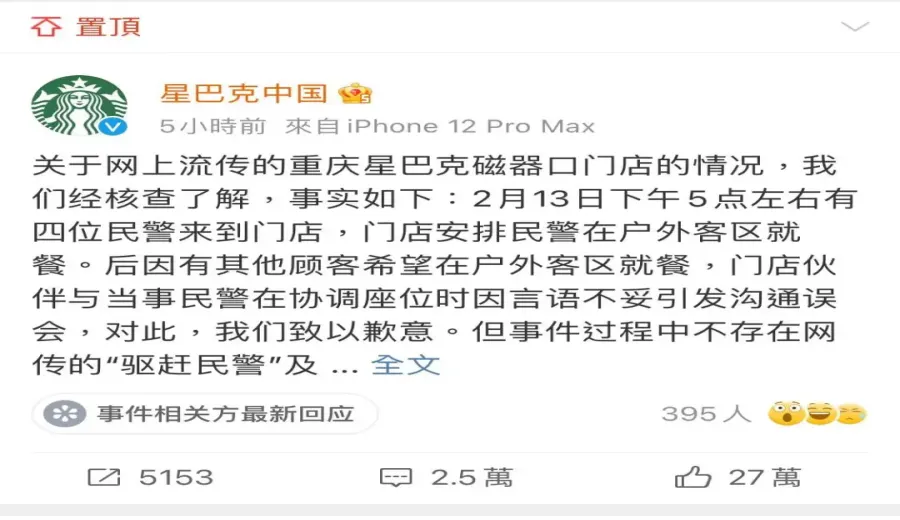
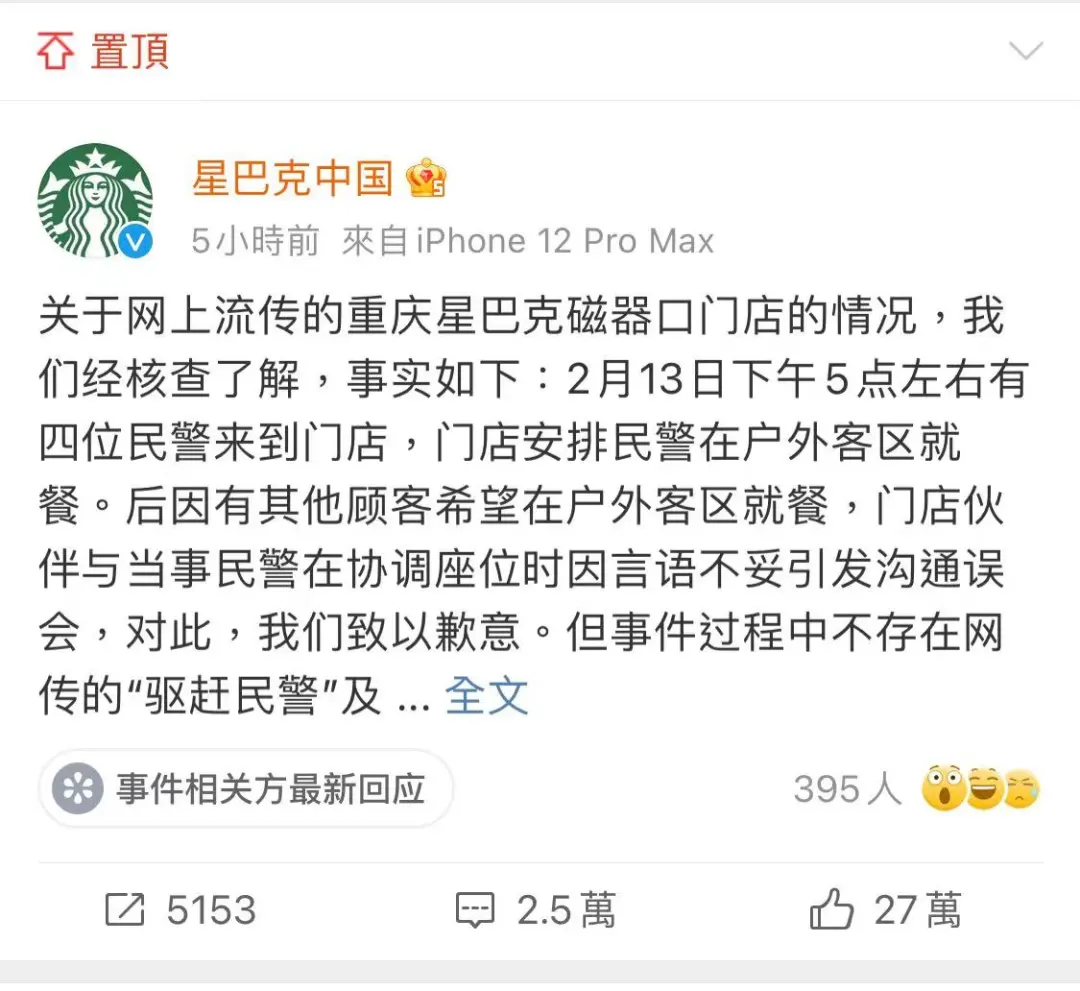
Recently, news about Chongqing police officers having an unpleasant experience while dining outside a Starbucks in Ciqikou Ancient Town has garnered widespread attention on social media. Online reports claimed that officers were accused of negatively affecting the brand image by dining outside the store, and were even allegedly driven away and complained about, rapidly propelling the issue to the top of Weibo’s trending list. Starbucks China later issued a statement clarifying that the incident was a verbal misunderstanding during seat coordination, emphasizing there was no act of driving the officers away or filing a complaint, but this response failed to quell public doubts.
The incident began around 5 p.m. on February 13, when four police officers visited the Starbucks branch and were directed to dine in the outdoor customer area. Subsequently, other customers wanted to use the same area, and a misunderstanding arose between the staff and the officers due to inappropriate language during seat coordination. Starbucks’ response pointed out that the store originally welcomed the officers and had always maintained good relations with local police, stressing that the incident was purely a result of poor communication.There was no driving away or lodging of complaints as rumored.
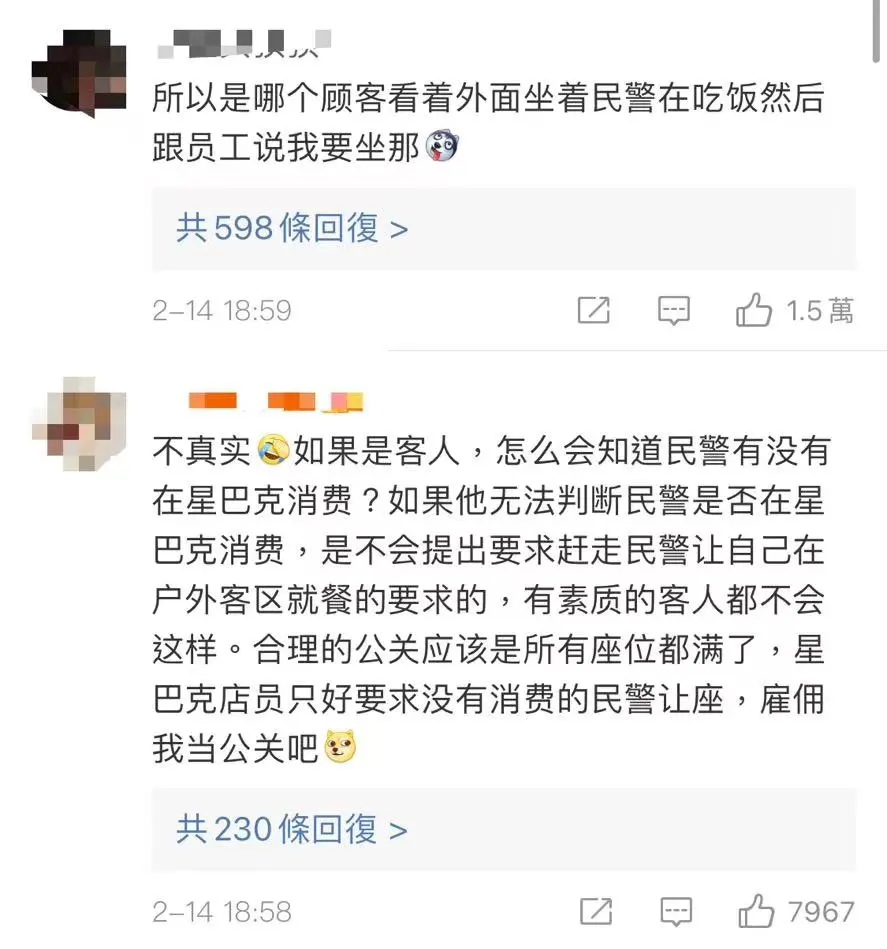
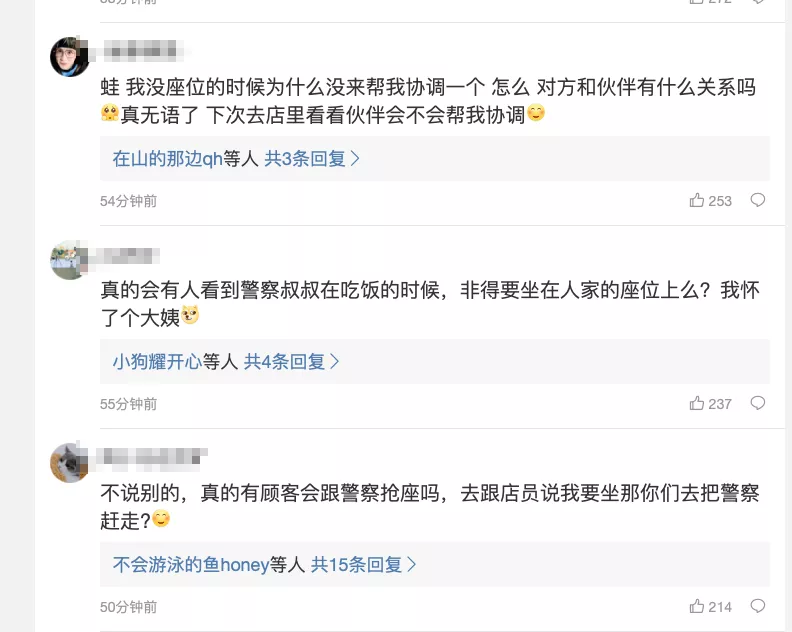
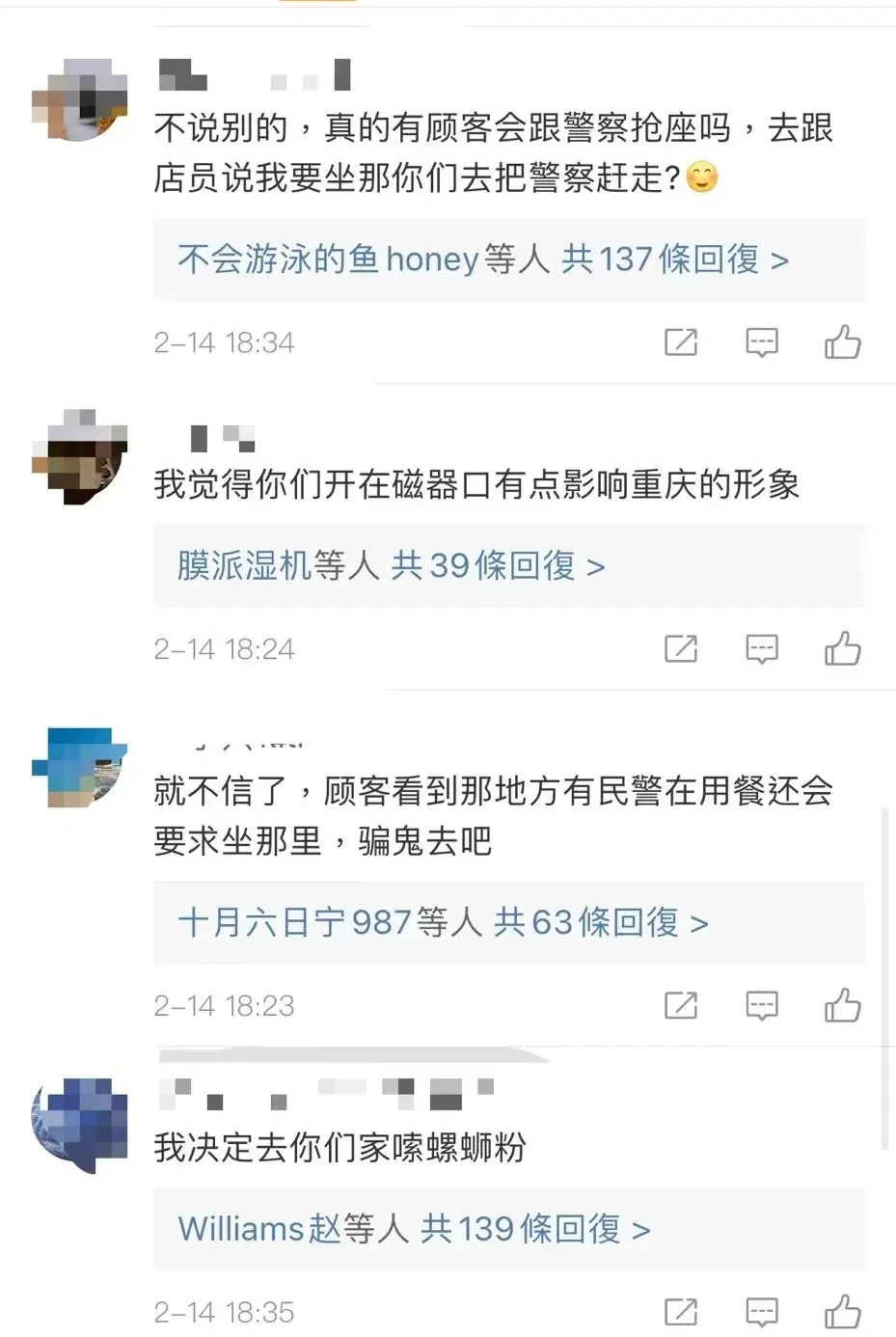
Despite Starbucks explaining the sequence of events and highlighting its long-term cooperative relationship with the police, many netizens continued to raise questions about the response. Some commented, “If there were no seats available, would you have offered to coordinate at all?” Others bluntly stated, “It’s hard to imagine customers competing with police officers for seats and demanding that the staff drive the officers away.” Starbucks’ official Weibo account did not further address these concerns, and local police have yet to make any public statements regarding the incident. Some netizens, when sharing the news, expressed disappointment with phrases like “won’t be going back.”
According to Caixin Net, after the incident went public, Starbucks customer service stated they had verified the situation with the relevant store and would take disciplinary action if employee misconduct was confirmed. The customer service also emphasized that Starbucks has no policy prohibiting customers from dining near the store entrance. On the afternoon of the 14th, the Ciqikou Administrative Committee expressed high concern and had launched an investigation. Later, netizens reported that the Starbucks store had briefly closed, although some customers later mentioned it had reopened. Starbucks has not confirmed the operational status of the store.
This incident recalls a similar case involving Starbucks in the United States back in 2019. At that time, a Starbucks employee, believing that police officers dining in the store made other customers uncomfortable, asked six on-duty officers to leave. Police later responded, saying although the barista had been polite, the act was still offensive. Three days later, Starbucks issued a formal apology, vowing to take full responsibility for any disrespect toward law enforcement and emphasizing that daily operations heavily rely on police support.
From the Chongqing incident, it is evident that even though Starbucks has denied driving the officers away or filing complaints, public sensitivity remains high regarding how brands treat law enforcement personnel. Especially during holidays, many officers are temporarily assigned duties and often lack fixed logistical support. Briefly dining outside a coffee shop does not cause significant disruption. Restricting certain groups under the guise of “brand image” not only easily leads to misunderstandings but may also be perceived as unfair treatment toward law enforcement.
Industry insiders pointed out that cafes, as part of the community, should embody inclusiveness and understanding in their interactions with law enforcement. Starbucks’ response revealed that the store was initially willing to offer outdoor seating to the officers, but the communication approach taken by staff when responding to other customers’ needs became the spark that ignited the misunderstanding.How to strike a balance between differing customer needs while maintaining a community-friendly image is a question every cafe must consider.
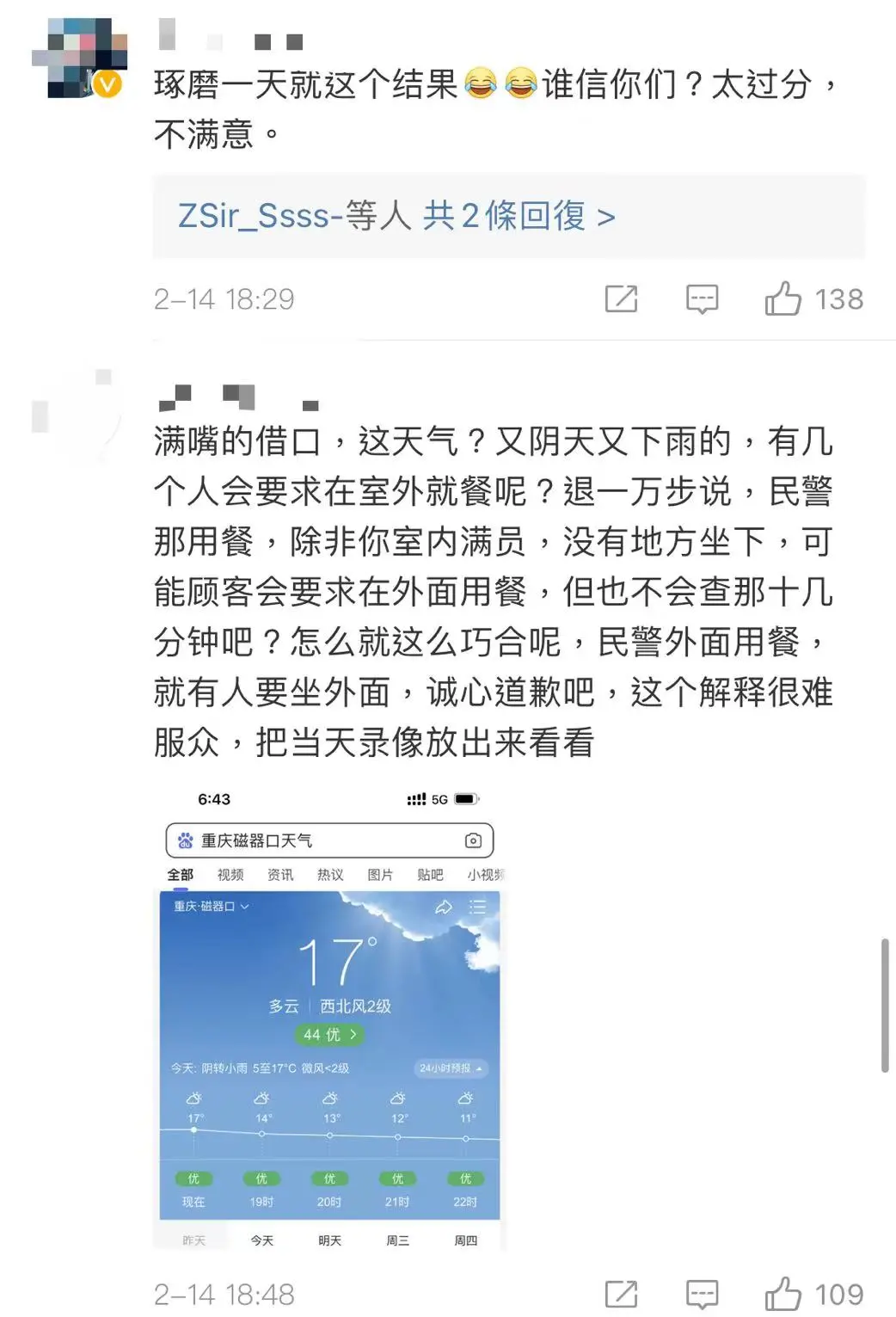
In summary, although this incident originated from a seating coordination dispute, it has sparked broad discussions on corporate social responsibility, the use of public space, and the daily needs of law enforcement. Both ordinary consumers and law enforcement units expect equal treatment and basic respect in public spaces. Moving forward, finding the right balance between commercial service and community responsibility will be an ongoing challenge for Starbucks and other brands.
The above content is compiled by CoffeeHunters, a coffee news website.


