







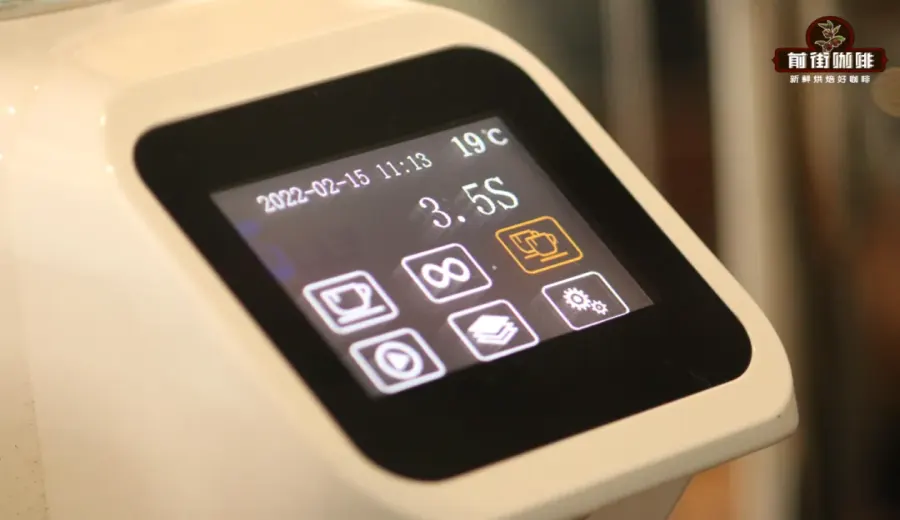
Introduction:Although dosing grinders can automatically control the amount of coffee grounds produced, users often encounter inconsistent dosing in practice. This article delves into the four key factors that affect the accuracy of dosing grinders: bean hopper capacity, residual grounds in the chute, bean arrangement, and grind size adjustments. It also provides practical tips for improvement—such as keeping the hopper 4 to 7/10 full, resetting the timer after each grind adjustment, and why professionals still recommend using a scale. At the end, we also recommend a classic blend ideal for home users aiming to produce espresso with rich crema.
Many people opt for dosing grinders to avoid the hassle of manually weighing coffee. These grinders can automatically grind a fixed amount of coffee based on preset time or weight, seemingly simplifying the process. However, in actual use, powder quantity discrepancies can still occur, ranging from minor deviations of 0.3 grams to more noticeable ones of 1.3 grams. What causes these inconsistencies, and how can they be improved? Below, we break it down from four critical aspects.
First, an often overlooked factor is the stacking behavior of coffee beans themselves. Though a bean hopper may appear full, the gaps between individual beans vary considerably. Due to their irregular shapes and uneven sizes—not being perfect spheres—they don’t pack uniformly, resulting in varying gaps within the hopper. When the grinder operates on a timer, these uneven gaps cause slight variations in the number of beans that enter the burrs each time, which in turn affects the dose. The deviation is typically around ±0.3 grams.
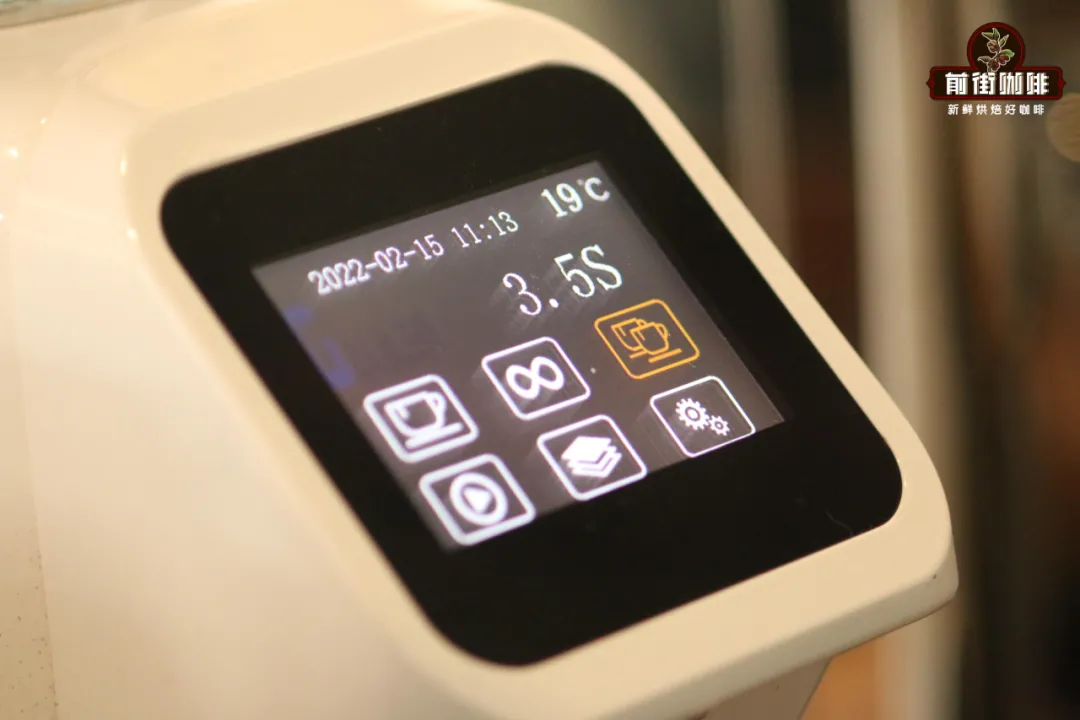
Second, the amount of coffee in the hopper significantly impacts dosing stability. Many users tend to refill the hopper only when it’s nearly empty, but the actual quantity of beans inside can alter the pressure with which beans fall into the burr area. When the hopper is full, the weight of beans above exerts downward pressure, helping lower beans move smoothly into the grinding zone. However, as the bean level drops, this pressure lessens. In cases where the hopper is nearly empty, a “bean bounce” phenomenon may even occur—where beans get ejected instead of being ground properly. Practical testing showed that with a full hopper, a setting of 3.5 seconds yields 20 grams of coffee, yet when the hopper is only one-fifth full, the same 3.5 seconds results in just 18.7 grams—a difference of up to 1.3 grams. Therefore, it’s recommended to maintain the hopper at 4 to 7/10 full during daily use for more stable dosing performance.
The third common issue is residual coffee grounds in the chute. If the grinder’s powder chute isn’t cleaned regularly, leftover grounds can accumulate and interfere with subsequent grinding, leading to inconsistent output. If your grinder’s chute is detachable, regular cleaning is advised—it can effectively minimize instability caused by residue.
Finally, grind size adjustment is also crucial to consistent dosing. When you adjust the grind to a finer setting, the coffee grounds become denser, resulting in less output over the same period of time; conversely, a coarser setting makes the grounds looser, increasing the output within the same duration. Therefore,always reset the grind timeafter any adjustment to ensure the output matches your desired dose.
Taking all these factors into account, even when using a grinder marketed as “dosing,” achieving consistently accurate output still requires the indispensable step of using a scale for actual measurement. Only by weighing the grounds can you ensure that each extraction uses the same amount of coffee, thereby stabilizing flavor extraction.
For home baristas brewing espresso, we recommend trying a classic blend. This medium-dark roasted recipe combines beans from three origins, drawing inspiration from the classic “Mamba” combination (Mandheling plus Brazil), with a touch of Robusta added to enhance aroma and crema. This blend not only delivers a rich flavor profile but also helps beginners easily pull golden, crema-rich espresso shots at home.
The above content is compiled by CoffeeHunters, a coffee news website.


