







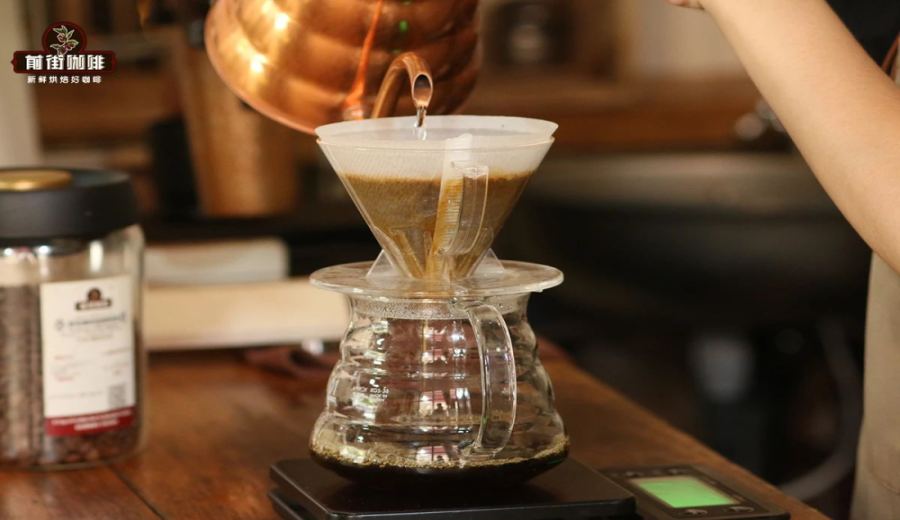
Introduction:The charm of pour over coffee lies in the control of details, but many beginners often end up with subpar flavors due to improper pouring techniques or stirring methods. This article uses a classic washed Yirgacheffe as an example to detail the key parameter settings for pour over brewing, including grind size, water temperature, and brew ratio. It also breaks down the impact of pouring techniques and stirring intensity through step-by-step illustrations. Special attention is given to how excessive stirring can lead to bitter and off-flavors, helping you master the core techniques for stable extraction and enhance the layered complexity of your coffee.
Many beginners in pour over coffee often face a common issue: even when following the steps, why does the brewed coffee always turn out weak, with noticeable off-flavors or unclear taste profiles? In reality, although pour over doesn’t require expensive equipment, every step—from grind size and water temperature control to pouring technique—directly affects the final extraction result. This article will use the popular washed Yirgacheffe as an example to guide you step by step on how to bring out this bean’s unique citrus notes and fruity floral aromas through precise parameter settings and a stable brewing process.
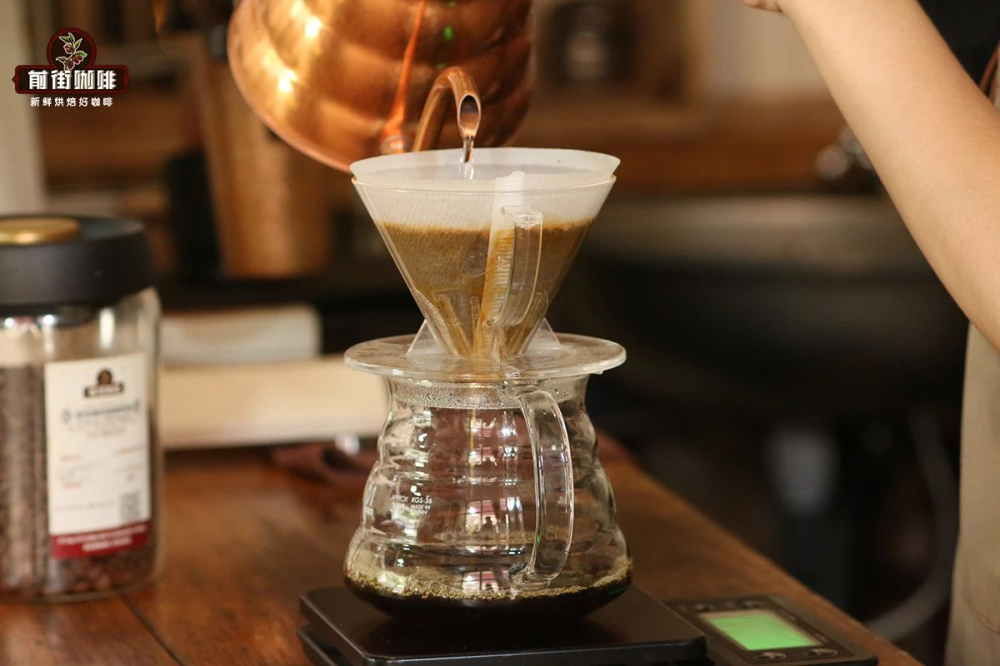
First, let’s talk about one of the most frequently discussed topics in pour over coffee: how to pour the water. Whether you’re using a V60, Kalita Wave, or any other dripper, the way you pour has a significant impact on the evenness of extraction and flavor expression. Recently, many beginner readers have asked: “Why does the coffee I brew not taste good?” or “Is pour over really that difficult?” In fact, pour over is still considered a technique that requires careful attention among coffee enthusiasts, especially for those just starting out. Mastering some basic principles and details will help you get into the groove more quickly.

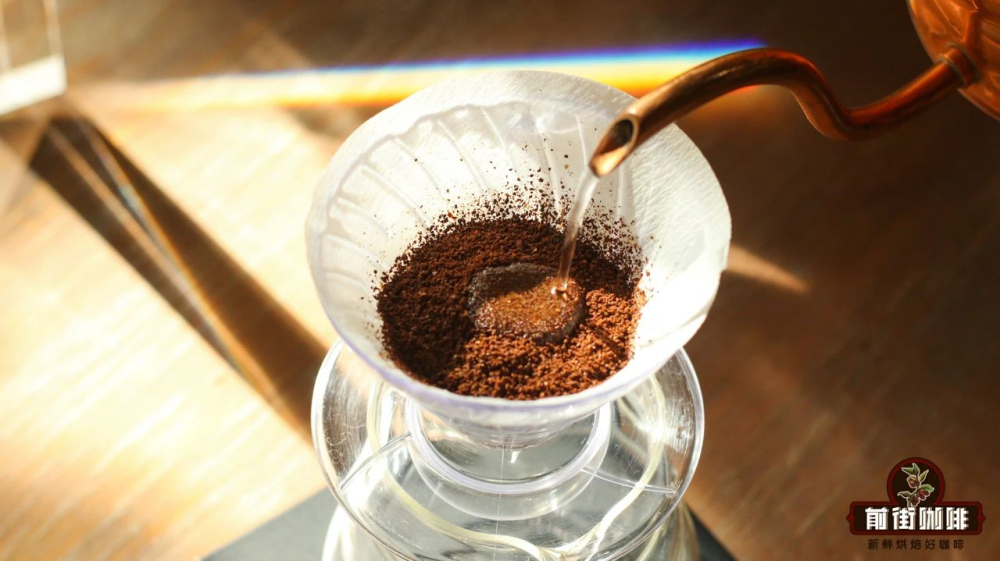
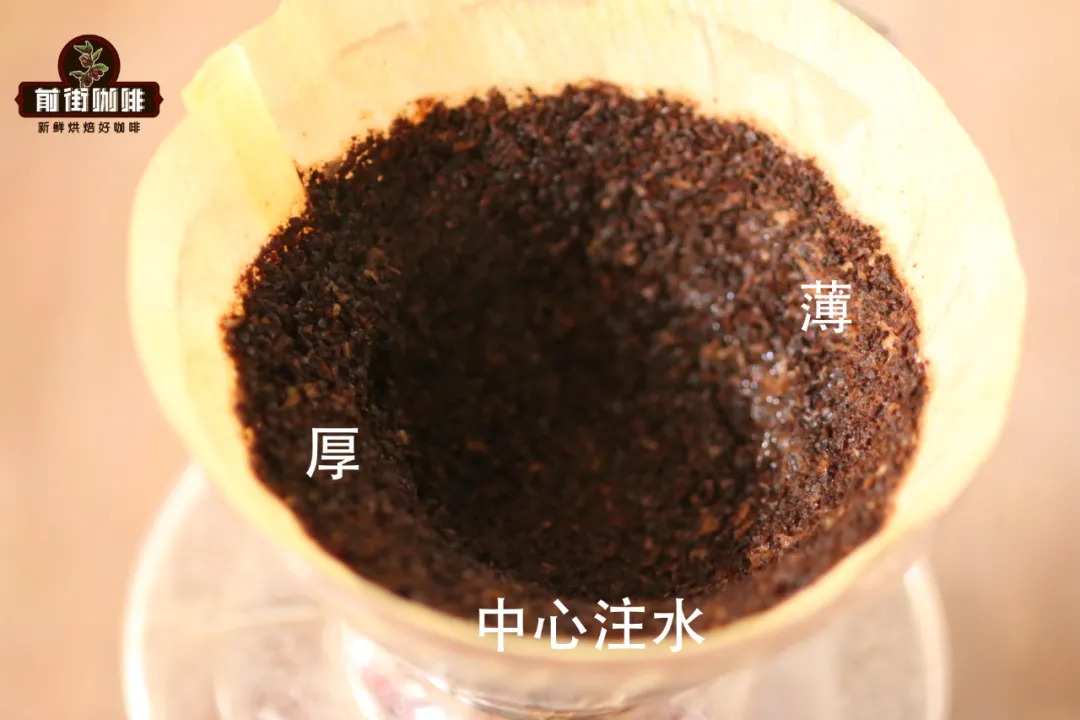
One common misconception is that “the harder you stir, the better the extraction.” In reality, excessive stirring not only fails to improve flavor, but can actually introduce unwanted impurities and over-extracted substances from the coffee grounds into the liquid, leading to increased bitterness, astringency, and off-flavors. When you excessively agitate the coffee bed after pouring, even if you’ve stopped adding water, the liquid surface may continue to rotate due to inertia—similar to the centrifugal effect of a washing machine. In such cases, undesirable substances from the coffee grounds are more likely to be released, affecting the overall cleanliness and balance of the cup.
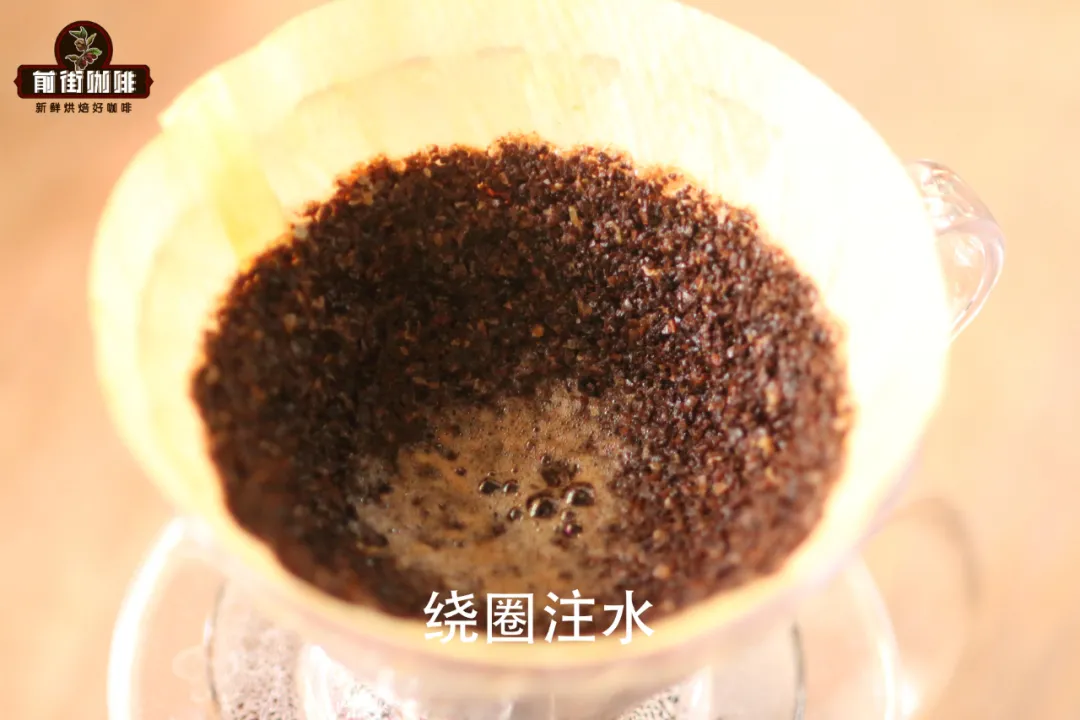
Therefore, when brewing a washed Yirgacheffe, it is recommended to adopt a moderate and stable pouring technique, such as spiraling outward from the center or pouring in multiple even rounds, keeping the water flow steady and avoiding vigorous agitation. Generally, this bean is best brewed with a medium-fine grind (similar to the size of fine sugar granules), a water temperature of around 90–92°C, and a brew ratio between 1:15 and 1:16. These parameters help better highlight its bright acidity and rich fruity aroma.
In summary, the key to pour over coffee isn’t in complicated steps, but in mastering and understanding each variable. From selecting the right coffee beans and adjusting the grind size, to controlling water temperature and pouring rhythm, every step is worth carefully experiencing. Through continuous practice and observation, you’ll gradually develop an intuition for flavor changes and brew pour over coffee that comes closer to the ideal state.
The above content is compiled by CoffeeHunters, a coffee news website.


