







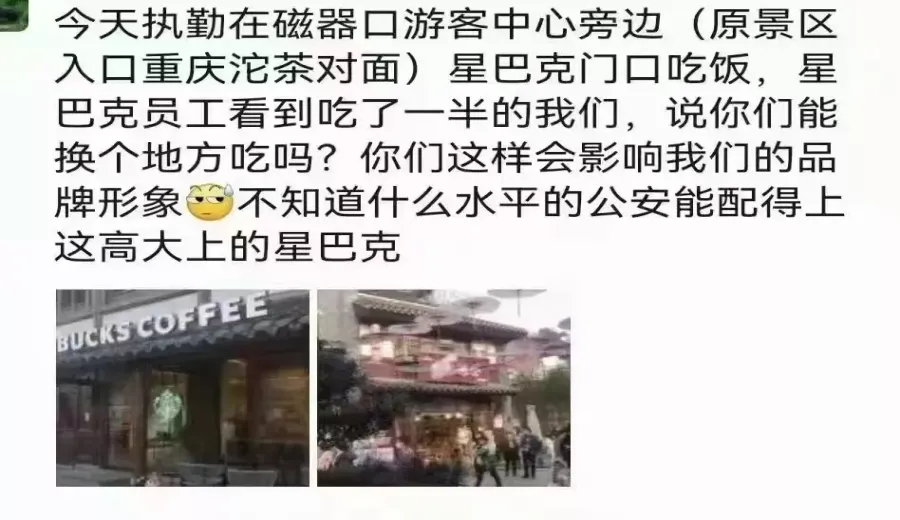
Introduction:The Chongqing Ciqikou Starbucks incident, where on-duty police officers were asked to leave, has sparked widespread discussion, with netizens questioning whether the store’s actions were fair. At the time, the officers were having a meal at the outdoor seating area, but were asked to leave for allegedly affecting the brand image, and even faced complaints. Was this an overzealous enforcement of service standards or a misunderstanding of public space usage rights? This article delves into the details of the incident and the reactions from all sides, exploring the boundaries between corporate social responsibility and public ethics.
Recently, a Starbucks outlet in Chongqing’s Ciqikou Ancient Town stirred up an online storm after asking on-duty police officers having a meal at its outdoor seating to leave. It was during a weekend travel peak, and local police had increased staffing to maintain order. Some officers, in order to respond promptly to public needs, chose to have a quick meal at the takeaway tables and chairs outside the Starbucks near the tourist center. Unexpectedly, midway through their meal, a staff member approached and said they were “affecting the brand image” and asked them to leave.
Although the officers cooperated and left, even carefully packing up their trays and leaving no litter, the Starbucks employees later filed a complaint about the on-duty officers with the relevant authorities.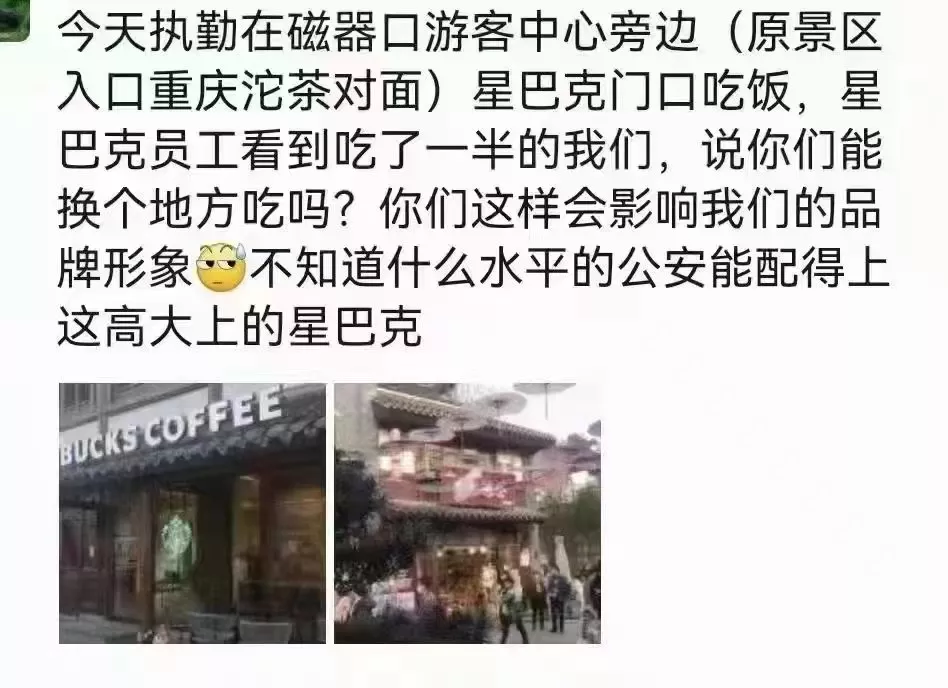
This move quickly drew public outrage, with many people expressing disbelief. Online discussions soon heated up, with some influencers citing what they claimed to be the “Internal Regulations for People’s Police of Public Security Organs” to question the officers’ behavior. However, it was later revealed that the cited content was actually pieced together from the “Regulations on the Dress Management of People’s Police of Public Security Organs,” not the actual internal regulations, leading to even more skepticism.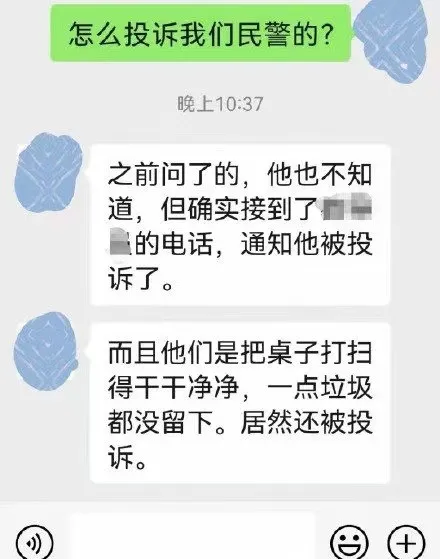
The influencer also questioned a police officer on social media, who responded by pointing out that officers often have to eat quickly on the spot due to duty requirements, especially at busy scenic spots or intersections—it’s common to see them squatting and eating boxed meals. This has led the public to reflect: is there a gap in understanding between public space usage rights and the basic needs of on-duty personnel?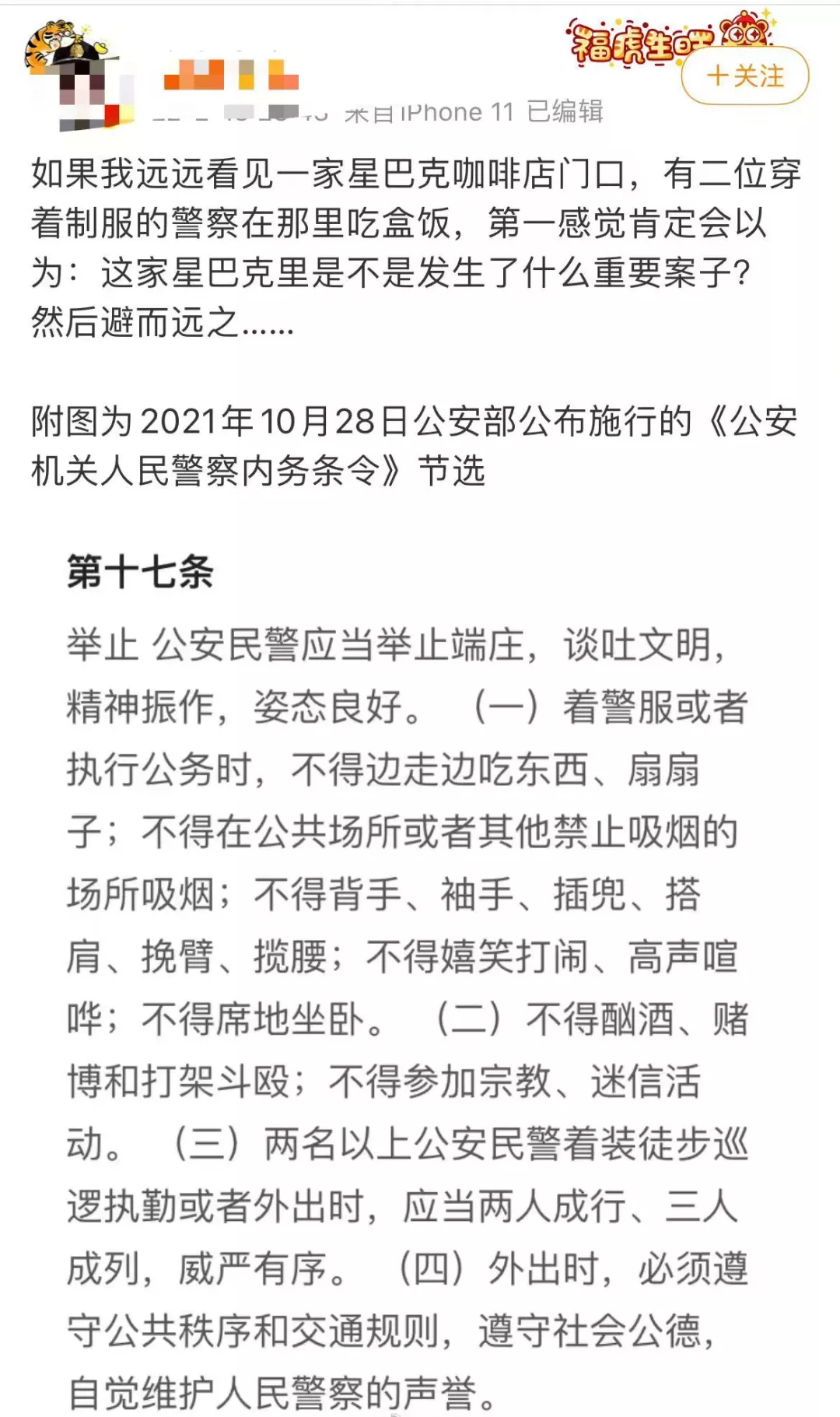
In response to the public outcry, Starbucks customer service stated that they had verified the situation with the involved store and would take disciplinary action against the relevant employees if the claims were confirmed. However, they also emphasized that Starbucks has no written policy prohibiting dining at the entrance of its stores. Nevertheless, many netizens still questioned: if it was merely a matter of suggesting a seat change, why did it escalate into a formal complaint? Was it at the request of customers, or was it the staff’s own initiative?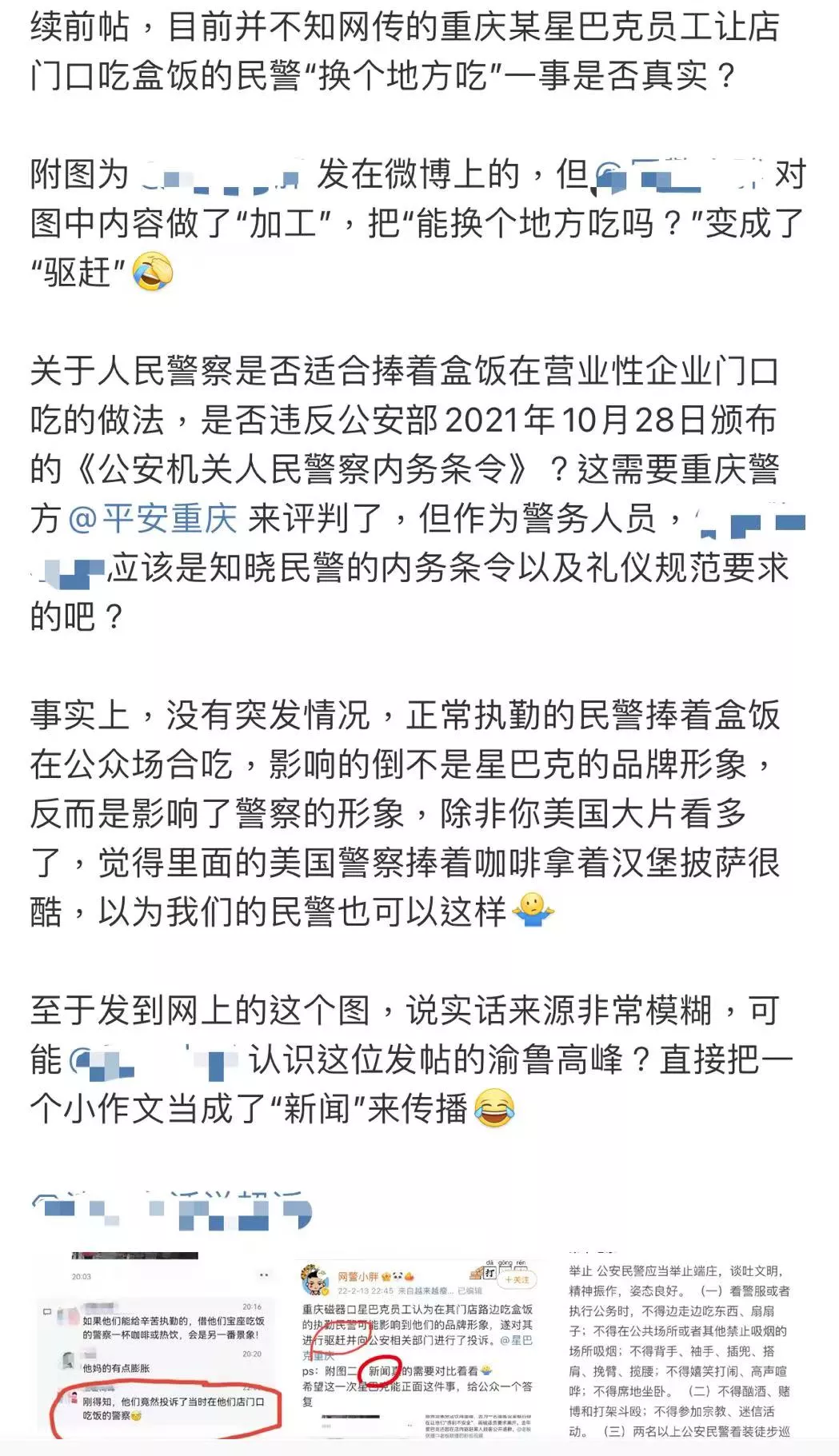
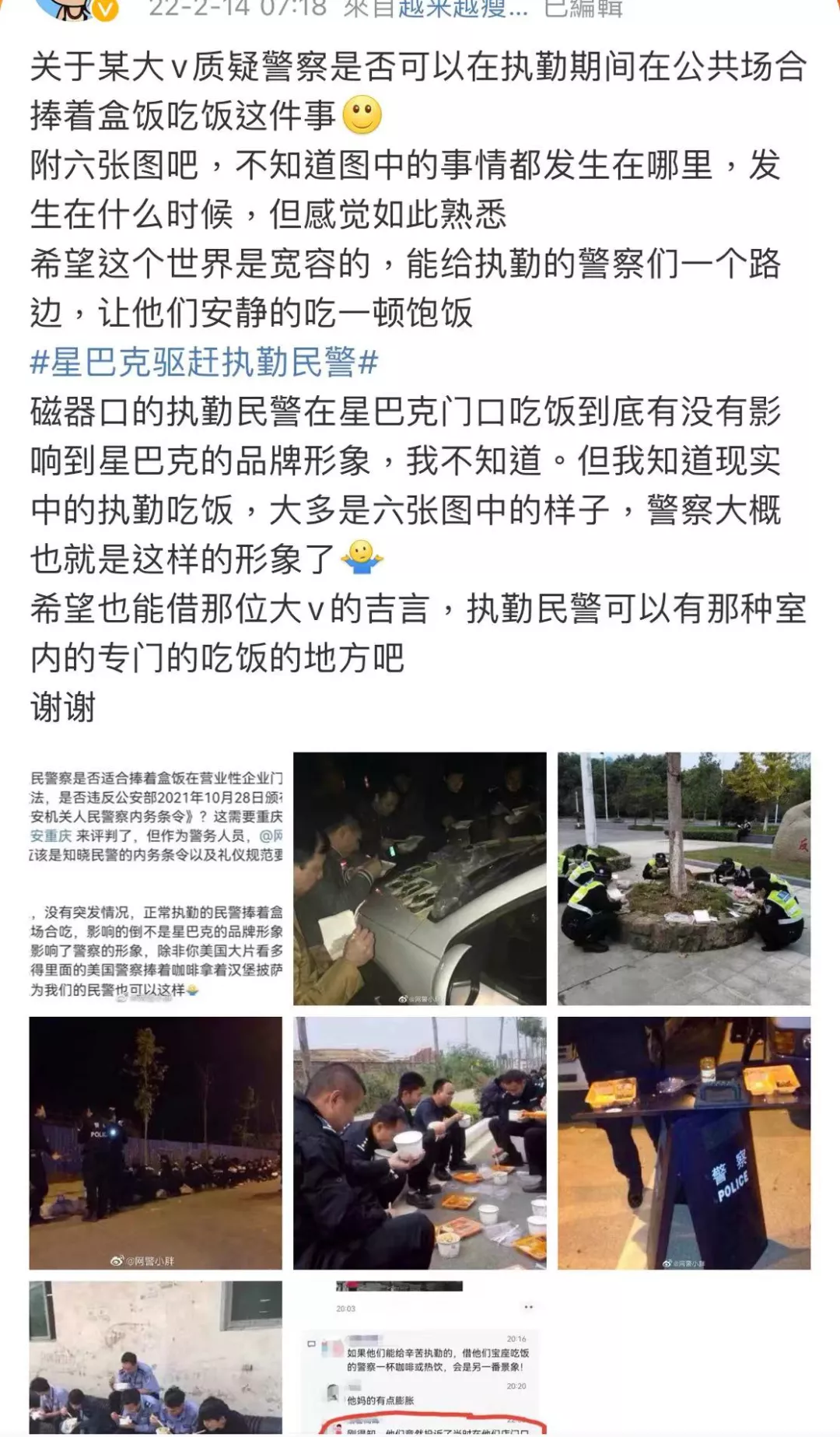
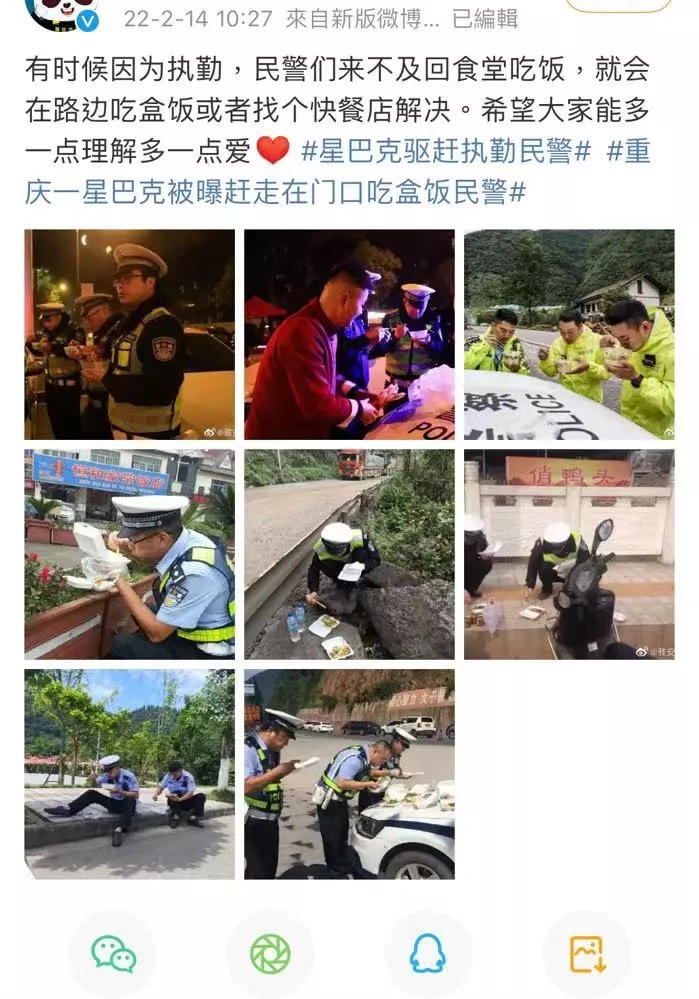
In fact, similar incidents are not unprecedented. In 2019, Starbucks in the U.S. publicly apologized for ejecting police officers who were drinking coffee inside the store, citing that their presence made other customers feel “unsafe.” In 2021, a Starbucks in Songshan Wanda, China, also asked on-duty police officers to leave, citing “brand image concerns.” These cases inevitably raise the question: in the pursuit of brand image, are companies neglecting the basic respect and fair use of public spaces owed to public service personnel?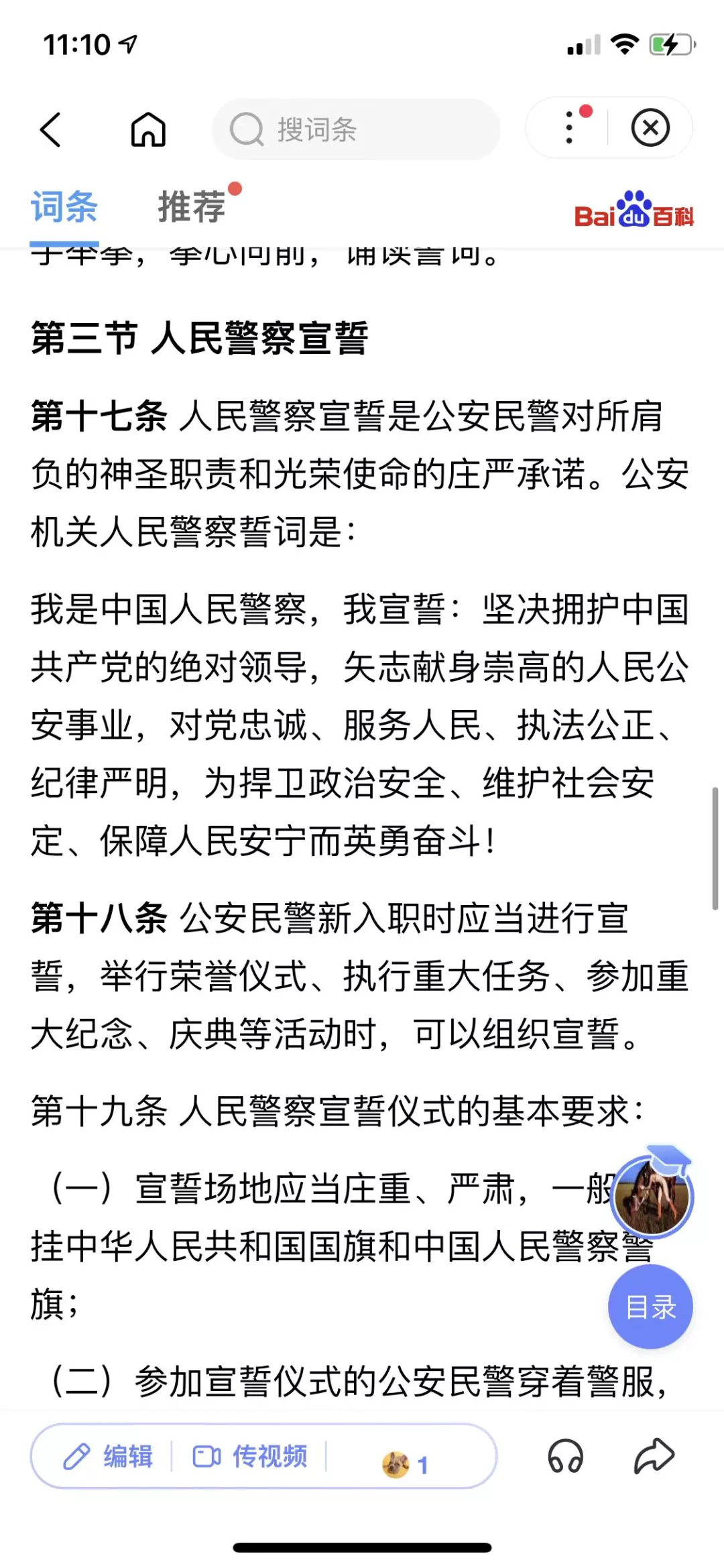
As of press time, Starbucks China has yet to issue an official response to this incident. This event is not just a service dispute involving a single store, but also highlights the complex balance between corporate social responsibility, public ethics, and brand image. How to uphold brand values while respecting every customer—including those who safeguard social security—will be a thought-provoking issue for Starbucks and the entire service industry.
The above content is compiled by CoffeeHunters, a coffee news website.


