







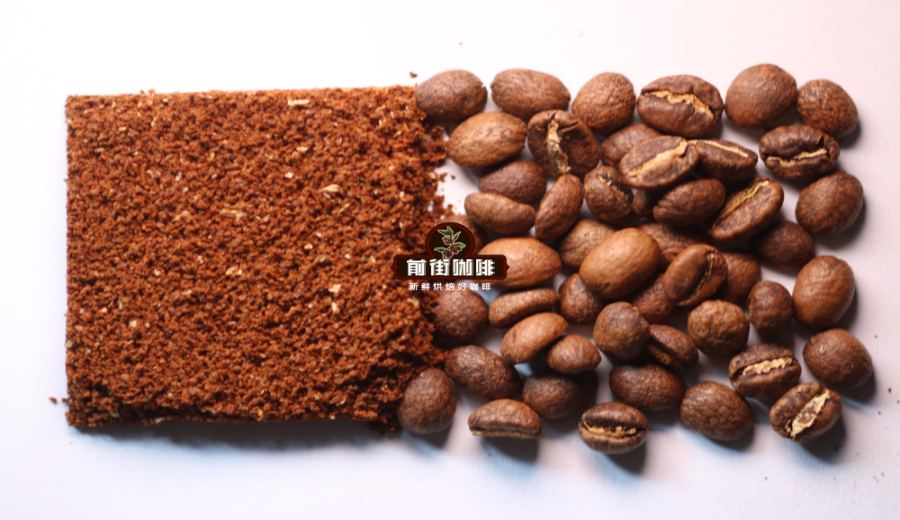
Introduction:The flavor of pour over coffee is often determined by one key detail—grind size. Grinds that are too coarse or too fine can cause you to miss out on the essence of the coffee, or even lead to imbalanced extraction. This article will break down, in simple terms, how grind size affects extraction, provide SCA cupping standard reference values, ideal particle size ranges, and recommendations for fines (ultra-fine powder) proportion. It will also teach you how to judge whether your grind is appropriate based on extraction time and bed settling speed—even without professional tools—so you can adjust to achieve the best flavor.
In the process of pour over brewing, grind size is arguably one of the most influential factors affecting the final flavor. Many beginners who have just started experimenting with pour over often find that, even after adjusting water quality, temperature, and brew time, the flavor still doesn’t meet expectations. In fact, the issue may very well lie in the grind. Based on experience, over half of brewing problems are actually related to improper selection of coffee grind coarseness.
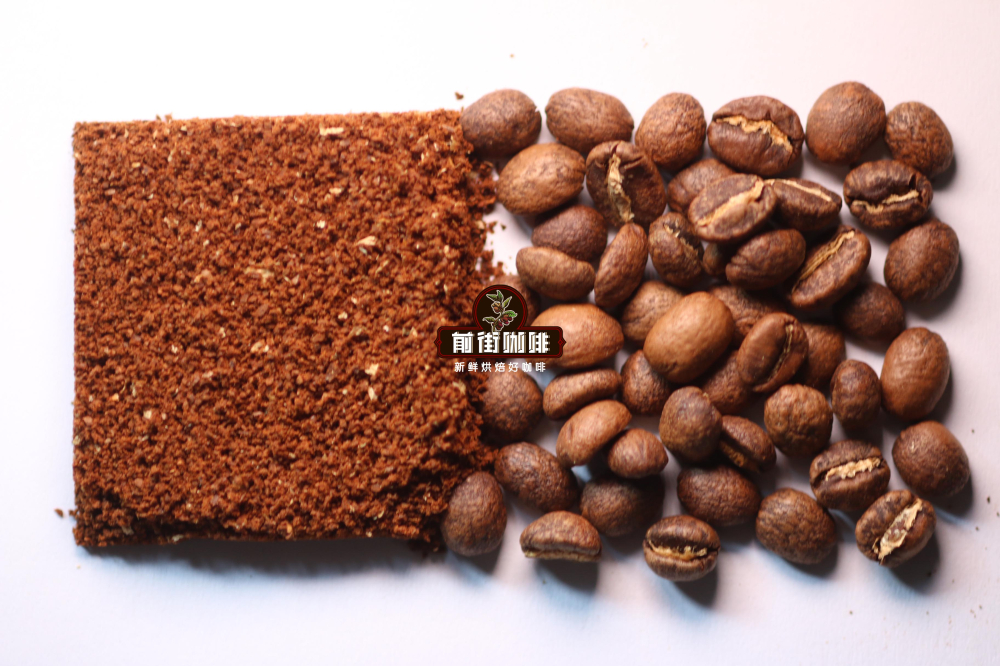
Why do coffee beans need to be ground? Many people’s impression of coffee still stops at instant coffee, but in modern cafés or home brewing—whether it’s pour over or espresso—almost all fresh roasted coffee beans are ground into powder before extraction. This is because grinding coffee beans significantly increases their surface area in contact with water, allowing flavor compounds to be released more quickly. Especially for pour over, which is a filtration-based extraction method, the finer the particles, the greater the total surface area, and the faster the release of flavor compounds.
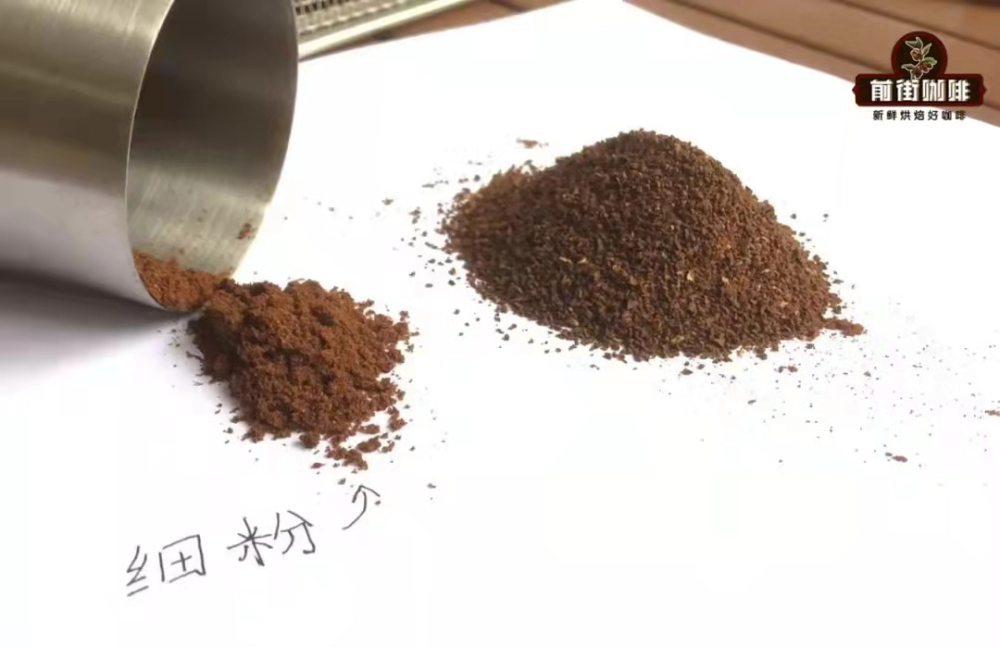
However, grinding isn’t always better when it’s finer. If the grind is too fine, the gaps between coffee particles become smaller, slowing down water flow. This not only extends extraction time but can also easily lead to over-extraction. In this case, the coffee tends to taste overly bitter, overly acidic, or even astringent. On the other hand, if the grind is too coarse, the gaps between particles are larger, water flows too freely and passes through too quickly, preventing flavor compounds from being fully released. The result is a coffee that tastes weak, lacks complexity, has muted acidity and bitterness, and has a clearer brew color.
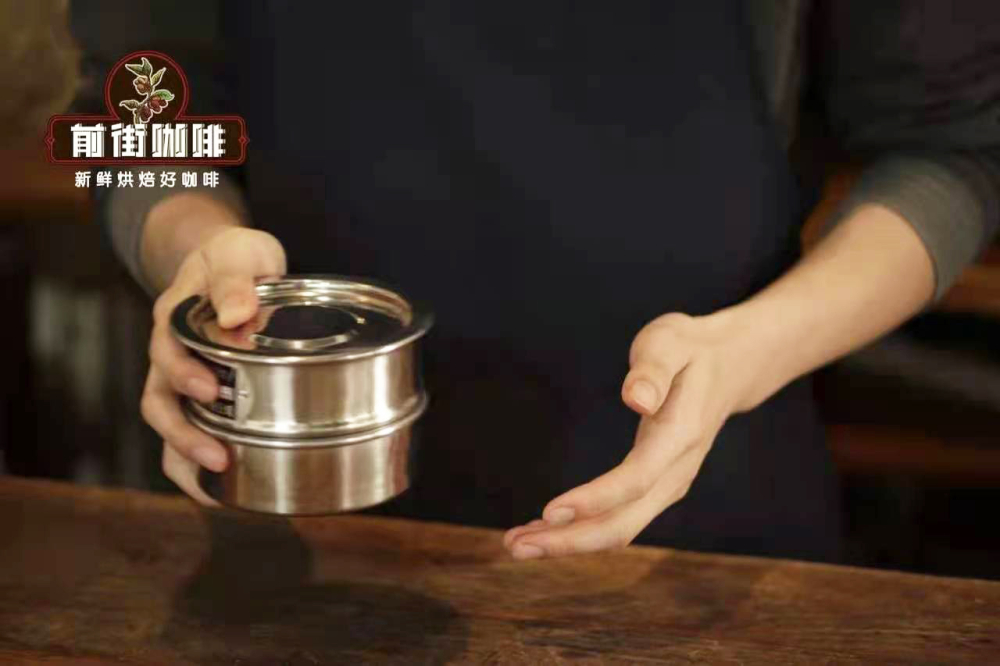
So, what is the ideal grind size for pour over coffee? Generally speaking, for a 1 to 2 serving brew, the recommended extraction time is around 2 minutes. Referring to the SCA (Specialty Coffee Association) cupping standards, the grind size requirement is that 70% to 75% of the particles should pass through a #20 sieve. For pour over coffee, which requires slightly higher extraction efficiency, the recommended grind size typically allows for a75% to 80%pass-through rate on a #20 sieve. This range is commonly referred to as “pour over fine grind,” which is slightly finer than cupping grind but still needs to be controlled to avoid over-extraction.
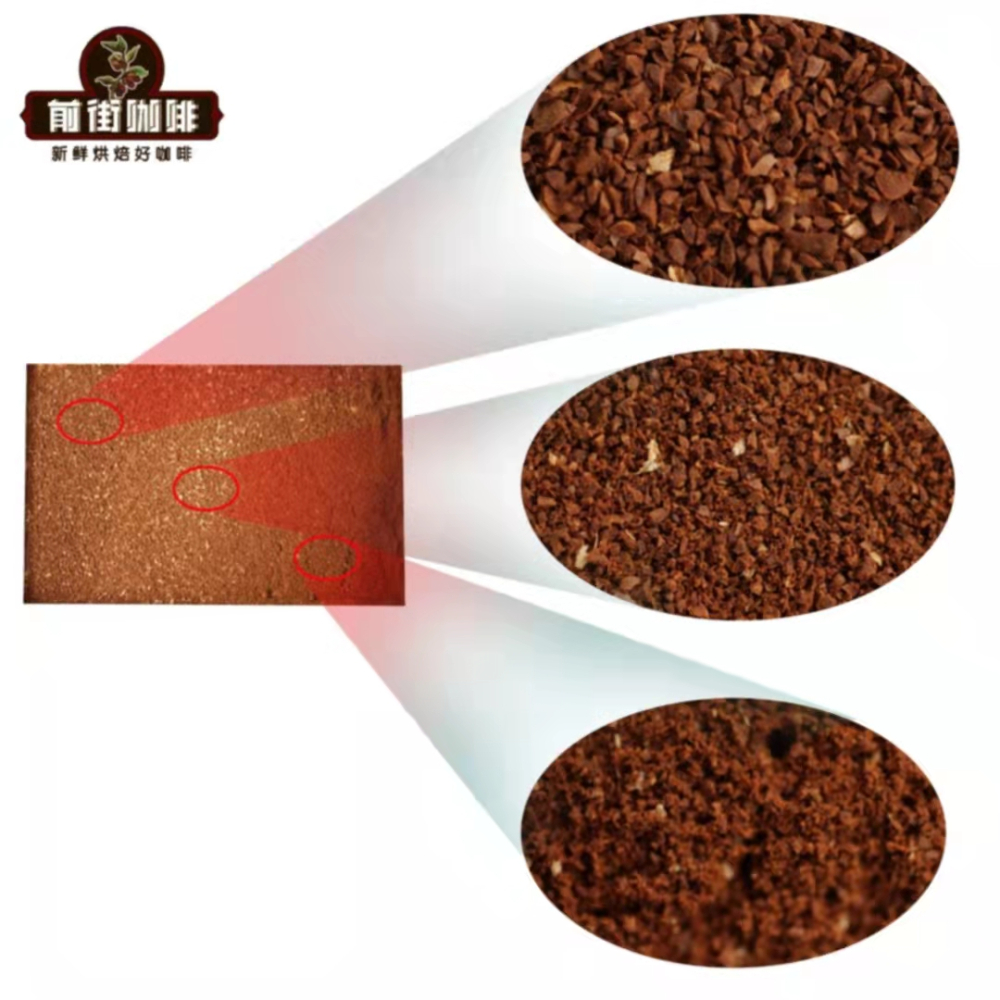
However, testing with a #20 sieve has its limitations—it can only distinguish between particles larger than 0.85 mm and those smaller than 0.85 mm, and cannot further analyze the distribution of different particle sizes below 0.85 mm. Generally speaking,the most ideal pour over coffee particle size should be concentrated between 0.6 and 0.8 mm. The more particles within this range, the more likely you are to achieve balanced extraction. If possible, consider investing in a few sieves with different mesh sizes to more accurately assess the particle distribution.
Additionally, special attention should be paid to fines (particles smaller than 0.3 mm). A moderate amount of fines can enhance the complexity of coffee flavor, but if the proportion is too high, it can cause channeling or over-extraction, negatively affecting overall mouthfeel. Based on experience, if fines make up more than7%[a certain percentage—kept as-is per rules], it may negatively impact extraction. Of course, this value is for reference only and actual judgment should be based on a combination of other factors.
If you don’t have professional sieves, you can still judge whether the grind size is appropriate by observing the brewing process. First is the extraction time. Based on common pour over parameters, for a 1 to 2 serving brew, the normal extraction time typically falls within1 minute 50 seconds to 2 minutes 10 seconds. If you find the extraction time is noticeably longer, it may indicate the grind is too fine; conversely, if it’s too short, the grind may be too coarse.
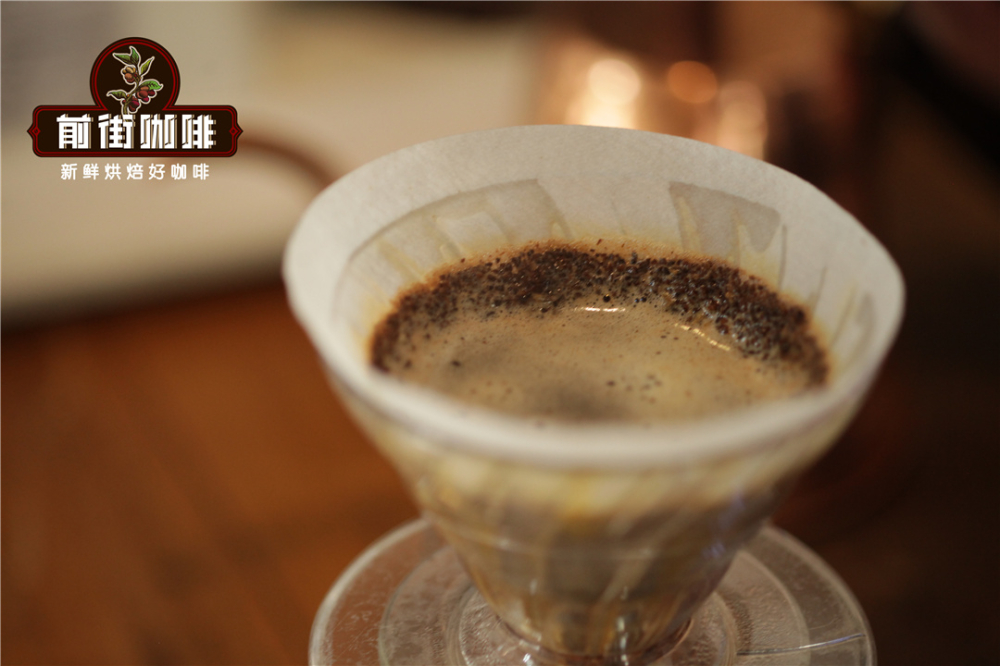
Another useful observation point is the settling state of the coffee bed. Under normal circumstances, after pouring water, the coffee bed should settle slowly and evenly. If the bed settles too quickly, it means there’s low water resistance, likely indicating a grind that’s too coarse. If the bed settles slowly or even stalls, with a muddy pile forming at the bottom, it usually indicates the grind is too fine or the proportion of fines is too high—requiring you to adjust to a slightly coarser grind.
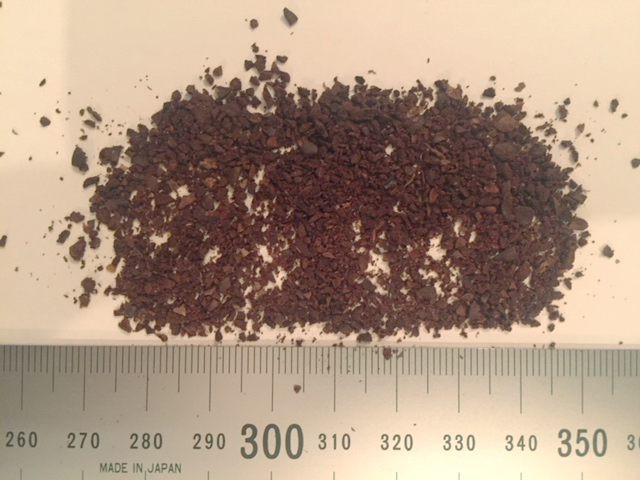
In summary, there is no absolute standard for choosing the right grind size for pour over coffee. It needs to be fine-tuned based on personal taste preferences, brewing equipment, and water conditions. By understanding how grind coarseness affects extraction, mastering SCA reference standards, and using extraction time and bed condition as auxiliary indicators, even beginner coffee enthusiasts can gradually find the grind settings that work best for them—and brew pour over coffee with balanced flavor and rich layers.
The above content is compiled by CoffeeHunters, a coffee news website.


