








Introduction:Many people dream of opening a cozy, heartfelt café in a small town, believing that low rents and less competition make it an easy business to run. However, in reality, the coffee consumption market in small towns is limited, specialty coffee comes with high costs yet struggles to gain consumer acceptance, and the pressure of running a business year-round often results in profits falling short of expectations. This article will delve into the true cost structure, operational challenges of opening a café in a small town, as well as key considerations for baristas contemplating a career change, helping coffee-loving individuals make more rational career and entrepreneurial decisions.
“Open a café in a small town — it’s easy and carefree!” You’ve probably heard this kind of talk before. Inspired by romantic scenes from movies or social media, many assume that running a café in a small town means chatting leisurely with customers and enjoying a laid-back life. But the reality is often far less idyllic — the coffee consumption market in small towns is limited in scale, rents aren’t necessarily cheaper than in big cities, and the high cost of specialty coffee makes pricing a tricky issue.
The initial investment required to open a café typically amounts to at least fifty thousand yuan or more, and that doesn’t even include subsequent expenses such as rent, equipment depreciation, ingredient procurement, and labor costs. Many shop owners face the harsh reality of operating non-stop all year with meager profits, barely breaking even each month or even running at a loss. Such an operating environment leaves many aspiring entrepreneurs who once had big dreams feeling frustrated.

So, is there really no room for survival for cafés in small towns? The key actually lies in “who your customers are.” Generally speaking, consumers willing to walk into a café mainly fall into two categories: those who have lived in big cities and returned to their hometowns for work — they have some knowledge of coffee and may even become promoters of the local coffee culture; and young people who see cafés as social spaces and don’t have particularly high demands for the coffee itself. However, the size and purchasing power of these two groups often can’t support too many shops that focus primarily on specialty coffee.
Many entrepreneurs start out by focusing on specialty coffee, believing it will highlight taste and differentiation. However, the coffee beans used in specialty coffee come with higher costs. If priced too high, many consumers will feel that “I paid several dozen yuan, but it tastes no different from instant coffee”; if priced too low, it’s hard to cover costs, further squeezing profits. This dilemma often leads many specialty coffee shops into trouble not long after opening.
It’s worth noting that relying solely on selling coffee as a business model is extremely challenging. The industry generally believes that unless a café can create a clustering effect or is located in a bustling commercial area, it’s hard to sustain operations based on a stable flow of customers. Many independently operated shops often end up with steady year-round work but mediocre income, and sometimes even find that other jobs offer more stability.
Let’s also talk about the career choices of baristas. Many baristas complain about low salaries and heavy workloads, but will opening a shop definitely improve the situation? The answer isn’t optimistic. Opening a shop not only requires a significant amount of capital, but also involves dealing with complex issues such as location selection, equipment procurement, ingredient management, and staff scheduling. Many practitioners later find that the pressure after opening a shop far exceeds that of being a barista, with even sleep time taken up by the琐事 of running the business.
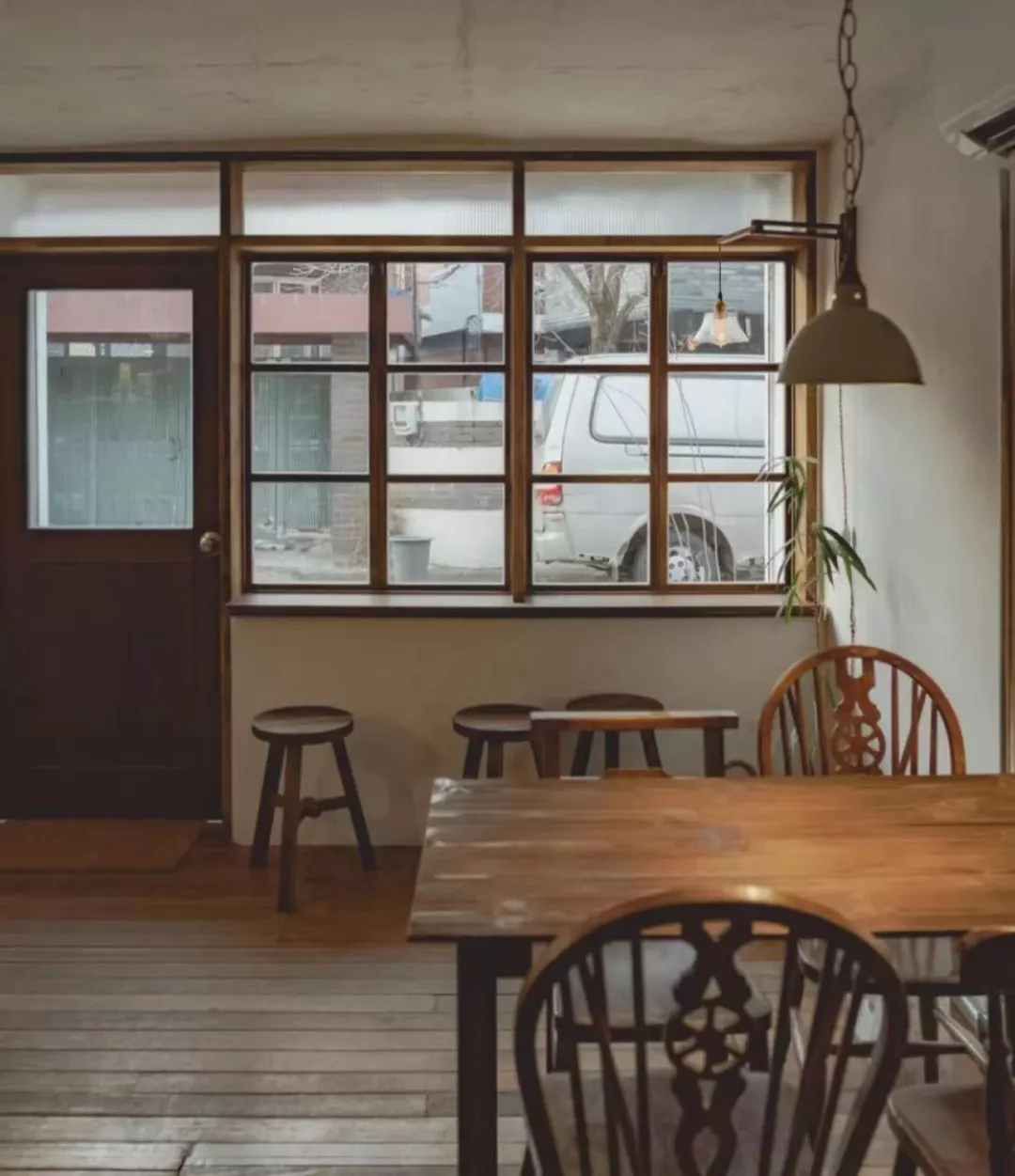
From a cost perspective, the initial investment required to open a café is absolutely not something to underestimate. In addition to essential expenses such as rent, decoration, and basic equipment like coffee machines, grinders, and ice makers, monthly fixed costs also include utilities, ingredient costs, cleaning supplies, and labor expenses. If the location is in a high-foot-traffic area, the rent might be comparable to — or even higher than — that in big cities, which is often unexpected for many entrepreneurs.
So, what should those who love coffee but still hope to strike a balance between career and dreams do? Professional advice is: before your financial foundation is solid, don’t rush into full-time entrepreneurship. If you truly can’t give up your passion for coffee, consider opening a café as a side business — provided you already have a stable job that provides a steady cash flow, allowing you to pursue your dreams while also ensuring a basic quality of life.
Finally, whether you choose to continue working as a barista or decide to dive into café management, passion is always the most important driving force. But remember, passion doesn’t put food on the table. Only when realistic conditions allow can enthusiasm be transformed into a sustainable career. If you’re standing at a crossroads in life, take time to observe, learn, and even experience the roles of shop owner or barista firsthand before making the decision that’s best for you.
The above content is compiled by CoffeeHunters, a coffee news website.


