







Introduction:From nearly going bankrupt due to financial fraud to making an incredible comeback fueled by Eileen Gu’s endorsement and the Winter Olympics craze, Luckin Coffee’s transformation is nothing short of dramatic. This article takes an in-depth look at how the brand managed to regain market favor under the shadow of a 1.2 billion RMB fine—through strategic sports star endorsements, viral drink creations, and effective use of social media traffic. It also explores the product strategy and brand image transformation details that matter most to consumers.
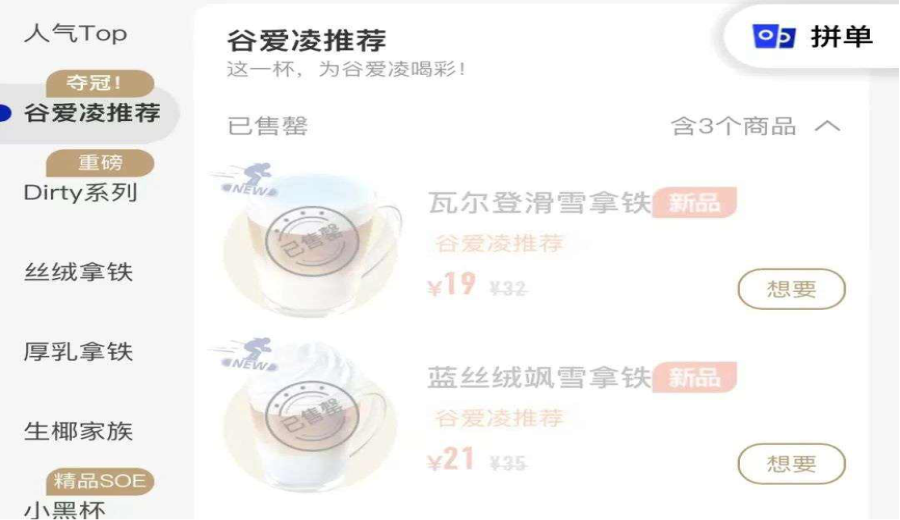
Luckin Coffee once set the record for the fastest journey from founding to listing on the U.S. stock market, but it plunged into an existential crisis after being exposed in an 89-page short-seller report by Muddy Waters for serious financial fraud. However, this company, once on the brink of collapse, managed to pull off a stunning brand reinvention through a complete management overhaul, reaching a settlement with the U.S. Securities and Exchange Commission (SEC), and signing the then red-hot freestyle skier Eileen Gu just before the 2022 Beijing Winter Olympics. Especially on the day Gu won her gold medal, the “Walden Skiing Latte” and “Blue Velvet Snowy Latte,” specially designed for her by Luckin, sold out instantly, with stores flooded by customers and the brand’s visibility exploding.
Although netizens joked that the 4.8-discount victory coupons were “too stingy”—especially compared to the usual promotions of 3.8 to 4.2 discounts—this wave of traffic driven by the sports star effect successfully turned around the brand image. In fact, Luckin had already shown foresight back in September 2021 by signing an endorsement deal with Eileen Gu, who was only 18 at the time and already making waves internationally, while simultaneously launching a winter-limited series of drinks, showcasing its ambition for long-term brand planning.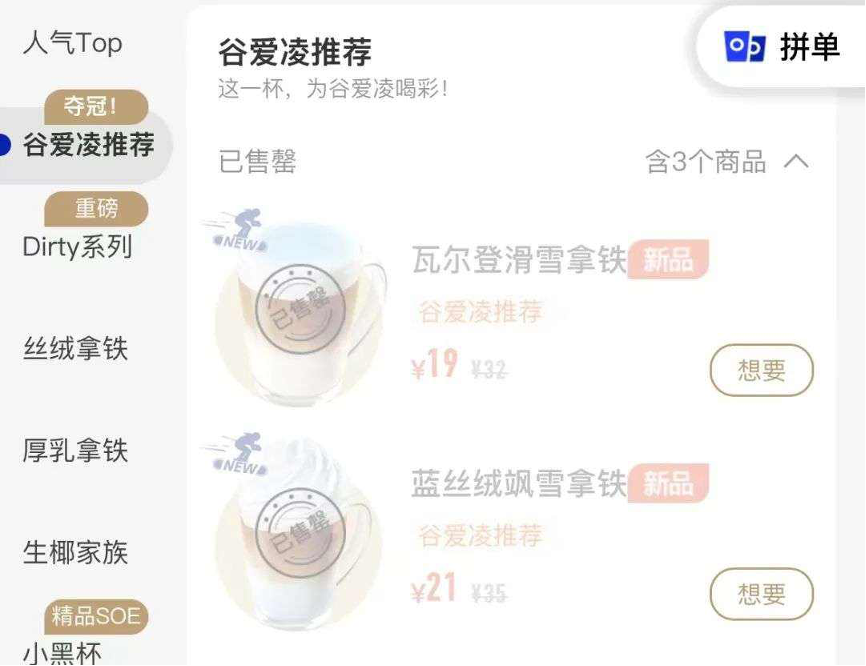
Looking deeper into Eileen Gu’s appeal, this athlete, born in San Francisco, USA, and nurtured in her passion for skiing by her mother Yan Gu, not only scored an impressive 1580 out of 1600 on the SAT to gain admission to Stanford University, but also maintained her form through home training during the pandemic. Her story goes far beyond athletic achievements—as a naturalized athlete who gave up her U.S. citizenship to compete for China, Gu broke multiple competition records in a Chinese freestyle skiing scene that was still in its early stages of development. Her straightforward responses to external criticism, even clashing head-on with American media, helped shape an authentic and highly relatable personal brand.
Luckin’s marketing team clearly understood this well. Before the Winter Olympics season kicked off, they intensively integrated Eileen Gu elements: from cup sleeves and straw stands featuring her image, to life-sized cutouts, and even two themed pop-up stores in Beijing’s core commercial areas, along with pre-prepared celebration materials for her potential victory before the Spring Festival. The moment Gu stepped onto the podium, the brand quickly activated its response mechanism, updating in-store displays and online ads within an hour of her win, paired with 4.8-discount coupons to rapidly drive traffic. Notably, although consumers found this promotion a bit “cheap,” the subsequent launch of a lucky draw for 66 free coupons effectively eased public dissatisfaction.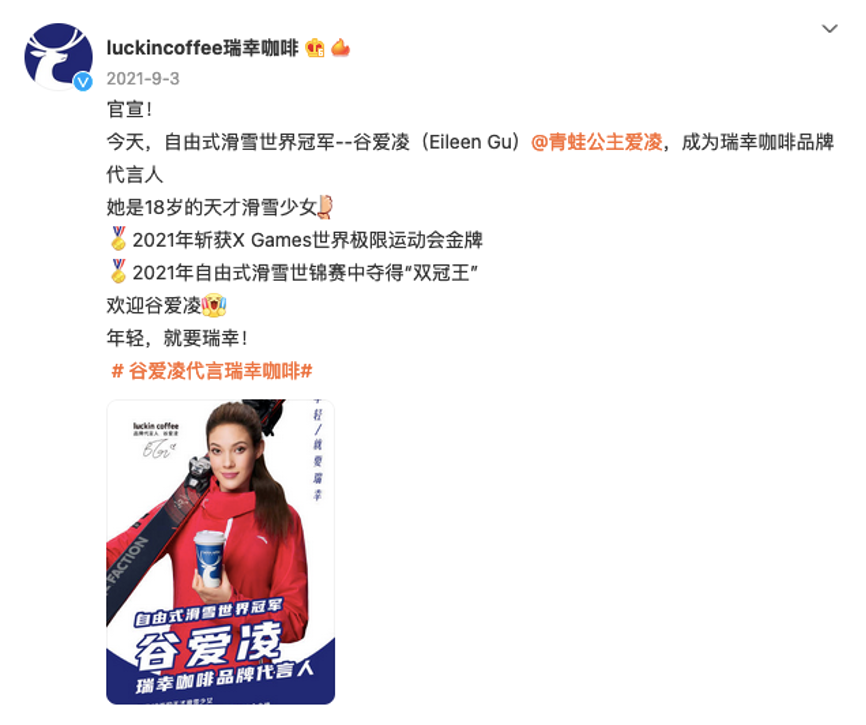
From a marketing perspective, Luckin’s choice of Eileen Gu was highly strategic. Against the backdrop of frequent “tax evasion scandals” and “image collapses” in the entertainment industry, the image of an Olympic champion is clearly more positive and less risky. The brand, with its new positioning of “Be young, drink Luckin,” perfectly combined the healthy image of a professional athlete with the consumption trends of the premium coffee market. Actual data shows that drinks recommended by Gu achieved astonishing sales speeds during the competitions, even significantly boosting overall store foot traffic.
Looking back at Luckin’s transformation journey, besides leveraging sports stars to create buzz, product-side innovation has been equally crucial. Its proudly branded “Hakka Series” of specialty coffee beans has repeatedly sold out, reflecting growing consumer demand for high-quality bean sources. Meanwhile, after the management transition, the company posted its first quarterly profit turnaround, coupled with news that the 1.2 billion RMB fine was gradually being absorbed, helping the market regain confidence in this once-turbulent brand. What was once dismissed as a joke—“they’d need to wash millions of cups to earn back the fine”—now seems like a thing of the past.
The above content is compiled by CoffeeHunters, a coffee news website.


