







Introduction:Are freshly roasted coffee beans really suitable for brewing right away? From the principles of degassing to the evolution of flavor, learn why coffee beans need a resting period, how different roast levels affect the aging time, and how to find each bean’s optimal flavor window. This article delves into the science of coffee aging, helping you discover the best time to brew each bean for a richly layered pour over, and answers whether sealing your beans during aging is feasible.
Should you brew freshly roasted coffee beans right after roasting? This is a common question among many coffee enthusiasts. In fact, freshly roasted coffee beans are like freshly baked bread—fragrant, but not yet at their best. The key lies in the degassing process of the beans.
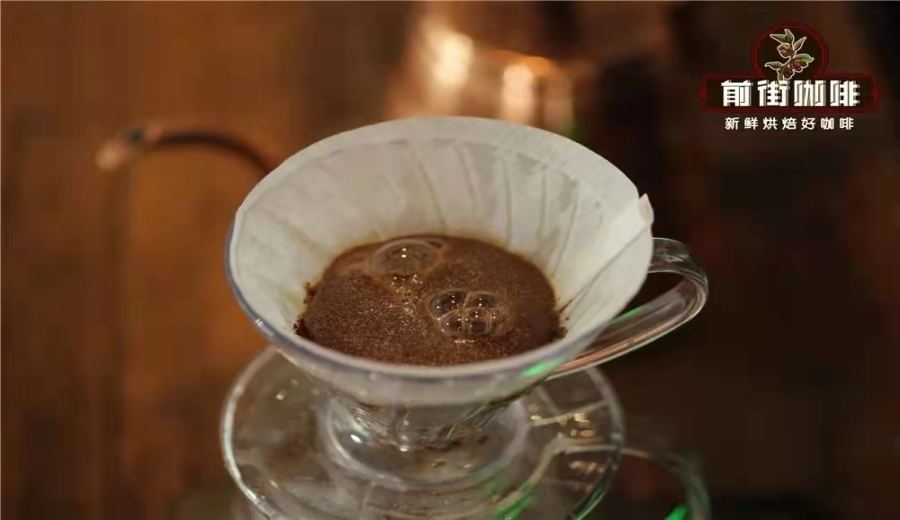
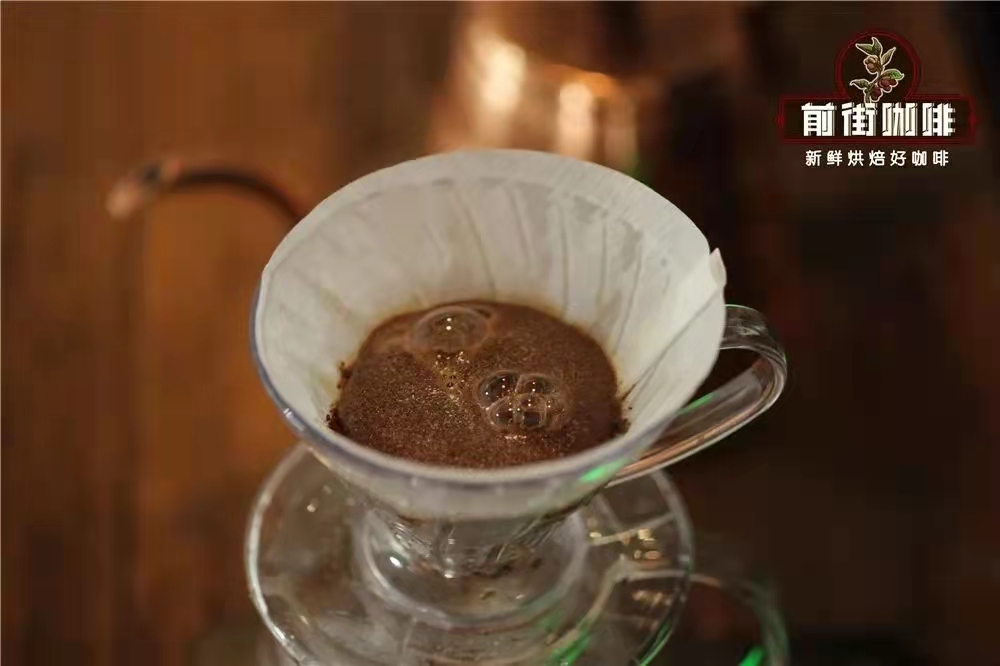
When hot water meets coffee grounds, if the beans haven’t been properly rested, not only will the blooming stage be overly bubbly, but subsequent extraction can also become uneven, affecting the overall flavor. Many people notice on their first try that the beans lack aroma or even have a noticeable roasted harshness—this is because the coffee is still in an intense degassing phase.
So why do coffee beans need to rest? Simply put, freshly roasted beans contain a large amount of carbon dioxide. If these gases aren’t fully released, they can interfere with the contact between water and coffee grounds, hindering the smooth extraction of flavor compounds. Generally, around four days after roasting, the beans release about 60–70% of their gases, then enter a slower degassing phase, while the flavors gradually peak.
Observing whether a coffee bag is puffed up is a straightforward way to tell if the beans are still degassing. As gases continue to release, the flavors change throughout the process, eventually reaching a flavor peak at a certain point, after which they gradually decline with slower degassing. Therefore, the core purpose of aging is to allow the coffee’s flavors to fully develop and stabilize.
But how long should the aging period be? There’s actually no one-size-fits-all exact number of days. The factors influencing aging time mainly include three aspects: roast level, roast style, and heat transfer method. For example, beans roasted with direct flame, due to more intense and direct heat, usually require a longer aging time; semi-direct flame comes next, while air-roasted beans tend to stabilize more quickly.
In terms of roast level, medium to light roasted coffee beans degas more quickly, typically reaching a drinkable state in about 4 to 7 days; whereas medium to dark roasted beans, due to a tighter internal structure, usually need 7 to 10 days for the flavors to fully release and balance out. These numbers are for reference only—actual experiences may vary slightly depending on the bean variety and roast batch.
Roast style also plays an important role. Even with the same roast level, different roasters or brands may have varying techniques, such as heating rates and cooling methods, which can affect the final degassing characteristics and flavor profile of the beans, thus potentially altering the required aging period.
For consumers, how can you determine the aging limit of a bag of coffee beans? The primary rule is: don’t mix recommendations from different roasters. Each roaster’s processes and styles differ, and their aging advice applies only to the beans they sell. First, check the roast date on the packaging, then conduct your own brewing tests based on your usual brewing habits.
The most practical method is to brew the same beans over several consecutive days, carefully noting the flavor changes each day. Usually during the aging process, you’ll notice the flavors gradually improving until one day when the aroma and taste reach their best balance, after which they may slightly decline. That turning point is the flavor peak for those beans. Mastering this timing allows you to more accurately gauge the aging time for similar beans in the future, without having to test each bag repeatedly.
Finally, regarding whether full-seal aging is feasible—the answer is yes, but with attention to proper ventilation. While complete sealing can slow down oxidation, it may also reduce the degassing rate. Therefore, it’s recommended to use coffee bags with a one-way degassing valve, which maintains freshness while allowing gases to escape naturally, helping the beans steadily develop to their flavor peak.
The above content is compiled by CoffeeHunters, a coffee news website.


